


‘This effort, while framed as a matter of sovereignty and defence, is really just a way to give benefits to American arms manufacturers,’ says the resident
Barrie’s ‘sovereign defence’ initiative is facing criticism at the Ontario Land Tribunal (OLT).
An appeal has been filed with the OLT regarding amendments to the city’s zoning bylaw that could promote defence industry activities.
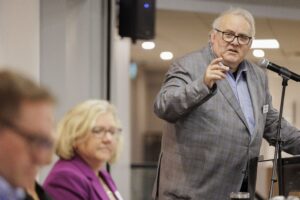
This appeal comes from Dr. Mackenzie Chown, a physician in Barrie and an activist with Simcoe County for Palestine.
“I am appealing.. because this amendment allows for exemptions for ‘uses and facilities required to support sovereign defence’ from the zoning bylaw,” Chown stated in OLT documents.
He mentioned this includes skipping the requirement for developments to get conservation authority approval in protected areas before moving forward.
However, Chown argued that exempting ‘uses and facilities required to support sovereign defence’ goes against both the Conservation Authorities Act and Barrie’s Official Plan.
“Both acknowledge and depend on conservation authorities to assess developments to ensure they won’t harm human health or the environment,” Chown noted in his OLT submission.
The City of Barrie has requested that Chown’s appeal be dismissed without an OLT hearing.
A hearing for this dismissal motion is set for Sept. 23, 2026.
“The city wants a dismissal so that the zoning bylaw amendment can be fully enforced as approved by council on June 17, 2026,” explained Michelle Banfield, Barrie’s executive director of development services.
During a public meeting on June 17, Mayor Alex Nuttall explained that this program aims to encourage ‘sovereign defence’ investments in Barrie. Backed by an initial $50 million from the city’s tax capital reserve, it seeks to enhance a larger strategy positioning Barrie as ready for defence-related jobs and long-term economic growth.
“The goal is straightforward: attract and speed up high-value defence projects while providing strong economic returns; specifically targeting initiatives that create jobs and stimulate private investment, bolstering Canada’s domestic defence capabilities as outlined in Canada’s defence industrial strategy,” Nuttall said.
Chown also voiced his concerns at the public meeting, arguing that investing $50 million of taxpayer money this way isn’t right. He suggested it would be better spent on social services like long-term care beds or hiring nurses and personal service workers.
The doctor from Barrie expressed concern that such investment aligns the city with higher levels of government pushing for more military spending.
“This push, while couched in the language of sovereignty and defence, is simply an effort to give concessions to American weapons companies and create favour with the (U. S. President Donald) Trump regime,” Chown remarked. “We’re told we should feel grateful for any jobs these companies bring into our community-regardless of the moral implications.”
At the OLT, however, Chown is taking another approach.
“The Official Plan explicitly recognizes conservation authorities’ policies and shows an intention to consult them when planning development within Barrie,” he stated.
“Given this context, it’s reasonable for residents to think that city officials would want to uphold conservation authorities’ vital role in reviewing developments before issuing permits.”
The OLT addresses land-planning issues when developers, residents, and local councils can’t come together on agreements. It operates similarly to what was previously known as Ontario Municipal Board (OMB).
Using his strong mayor powers on May 28, Nuttall instructed staff via written direction to modify Barrie’s zoning bylaw supporting sovereign defence facilities authorized by local or federal governments. This includes updating existing employment development community improvement plans (CIP) by adding a new program focused on sovereign defence investment readiness as well as adjusting regulatory bylaws related to activities tied with sovereign defence projects.
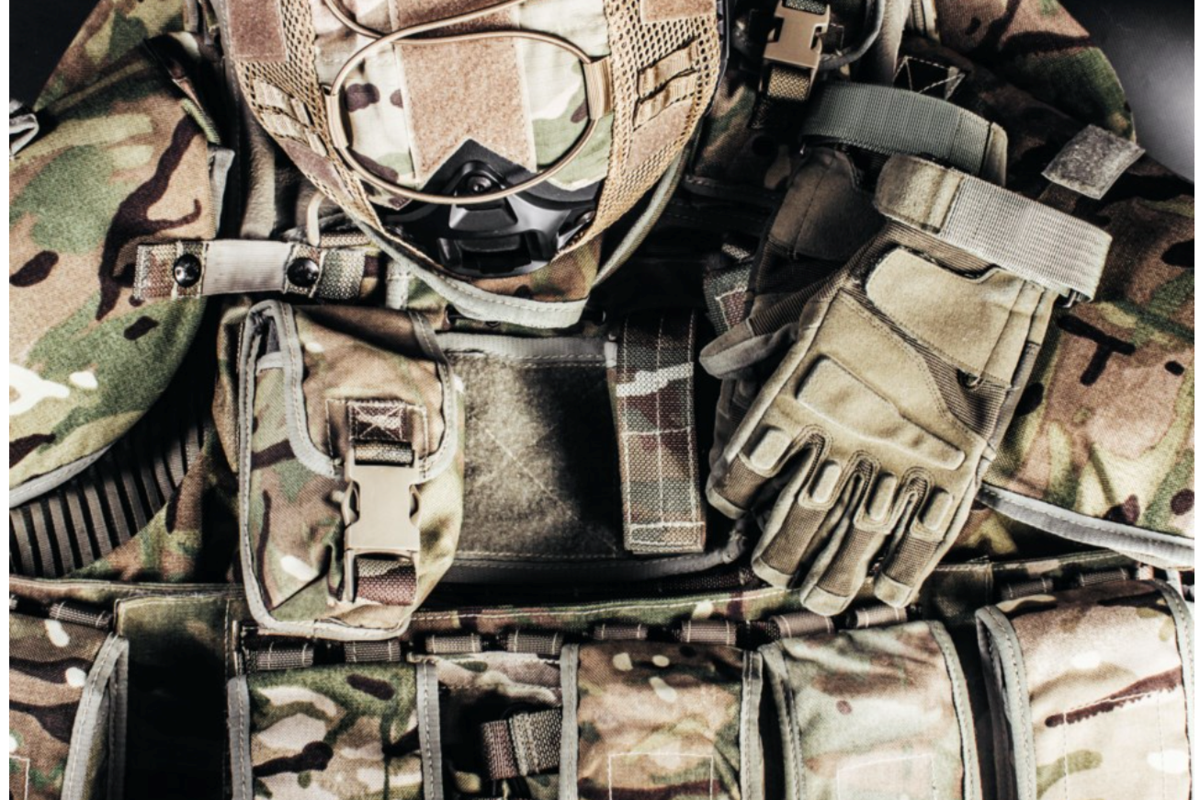
Sovereign defence refers to having domestic capabilities necessary for independently researching, developing, testing, manufacturing, assembling, maintaining, repairing, upgrading, storing , and sustaining advanced technologies essential for Canada’s ability to protect its territory , infrastructure , and population without relying on foreign production or support systems for key functions needed over time.
Source link