



A revised bylaw in Tillsonburg will allow officials to handle nuisance animal situations more effectively.
Dec 08, 2025 • Last updated Dec 23, 2025 •
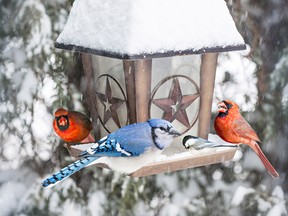
The Town of Tillsonburg has updated its animal control bylaw regarding the feeding of wildlife. GETTY IMAGES
A revised town bylaw in Tillsonburg will give officials more authority to address nuisance animal situations.
This has not loaded yet, but your article continues below.
During a recent meeting, Tillsonburg council decided to change the animal control bylaw after receiving a complaint from a resident about a neighbor who was excessively feeding birds and wildlife. According to a staff report, this “resulted in several nuisance issues.”
The problems included an “excessive accumulation of bird droppings on adjacent properties,” the “attraction of vermin and stray animals,” and “general concerns about hygiene and property maintenance.”
In June, the council instructed staff to prepare a report on the issue. The report indicated that several municipalities in Ontario have bylaws regulating wildlife feeding, including Norfolk County and St. Thomas. Other areas like London, Welland, and Newmarket have bylaws that regulate bird feeders within city limits.
This has not loaded yet, but your article continues below.
Under Norfolk County’s bylaw, individuals can be fined $150 for feeding waterfowl in parks where signs are posted.
“It’s not telling people they can’t put bird feeders out – it’s not doing that at all,” said Councillor Chris Rosehart, who introduced the motion. “They can feed the birds and do all of that, (but if) they’re feeding birds in a small area and it’s disrupting the neighbors’ lives, those things should not be happening. We were getting complaints that people had too many feeders in one area, and that was the reason for bringing it forward. It can’t disrupt your neighbors.”
Staff reported that excessive wildlife feeding could lead to serious health issues for animals, change their natural foraging habits, and expose them to disease.
This has not loaded yet, but your article continues below.
“For example, squirrels are at risk of developing metabolic bone disease when their diet consists primarily of nuts which leads to brittle bones and fractures,” said Cameron Cyr’s report from Tillsonburg’s by-law enforcement supervisor.
“Frustrated residents may take unwanted action to trap or relocate animals. Relocating trapped animals beyond one kilometer is prohibited under the Provincial Fish and Wildlife Conservation Act.”
Cyr noted that excessive feeding might also lead to larger populations of hardier species like pigeons, starlings, and sparrows competing with rarer migrant songbirds for habitat. Waterfowl naturally feed on vegetation and water insects; giving them seeds or bread creates nutritional deficiencies leading to illness or disease. Feeding waterfowl can also disrupt their migratory behavior causing significant declines in survival rates.
This has not loaded yet but your article continues below.
“Improperly maintained bird feeders often attract various wildlife species including rats and mice due to seed spillage,” Cyr’s report stated.
“No person shall intentionally feed or leave food out attracting wildlife if it creates a nuisance,” says the updated bylaw. A “nuisance” is described as anything likely to negatively impact any owner or occupant’s property or poses health risks such as accumulating feces or interfering with normal property use due to odors or noise.”
The town defines “wildlife” as “any non-domesticated animal that’s wild by nature and typically not kept as pets.” This includes raccoons, skunks, squirrels, coyotes , foxes , bats , and deer.
This has not loaded yet but your article continues below.
Cyr’s report mentioned staff consulted with the Ministry of Natural Resources & Forestry ensuring alignment with provincial legislation including Fish & Wildlife Conservation Act. Staff also received guidance documents from Upper Thames River Conservation Authority regarding wildlife feeding practices.
Rosehart shared her personal experience stating she feeds birds , but every property owner needs awareness towards their neighbors , adding this new bylaw empowers town staff better handle complaints.
“We must respect others,” she emphasized.
“I tell residents you’re free to do what you want unless there’s a neighbor overwhelmed with how many feeders you’ve got.”
Share this article in your social network
Source link