





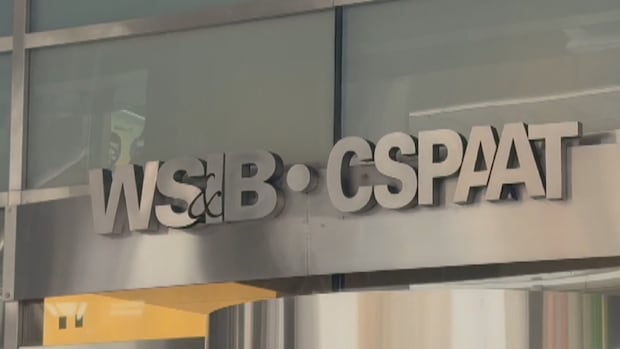
The Workplace Safety and Insurance Board (WSIB) is letting go of hundreds of employees across the province.
The Ontario Compensation Employees Union (OCEU), which represents WSIB staff, revealed the details on Wednesday. In a statement, it listed the positions that will be eliminated in northern Ontario.
Thunder Bay 55Sault Ste Marie 20Sudbury 136North Bay 15Timmins 12
Additionally, over 300 jobs will also be cut at centers in Guelph, Kingston, St. Catharines, Waterloo, and Windsor.
“We are already under-resourced as it is. We have severe workload problems and it will hurt injured workers in Ontario, the same injured workers that the government says they’re here to protect,” said Harry Goslin, president of the OCEU.
Goslin mentioned that while WSIB plans to maintain in-person return-to-work services with new employers in northern Ontario, other roles such as nurses and payment representatives “would end up moving to southern Ontario.”
“As a person who lives in a northern community myself, I know what it’s like to live in these communities, and I know what it’s like to try to access health care in these communities. And the distance that people need to travel to get the care that they need or the training that they need,” he said.
“The services are just not the same as the services in southern Ontario. And you need people that live in those communities who really can relate and understand the challenges that are unique to the northern communities.”
Harry Goslin, president of the Ontario Compensation Employees Union, speaks at a rally in Toronto in 2025. ()
In response to an inquiry from , WSIB stated that it “has made the difficult decision to consolidate claim and account management functions; as a result, there will be some roles that relocate and adjustments to local staffing needs.”
The WSIB acknowledged this announcement is “difficult” for employees and their families. The agency assured affected workers would have access to resume writing help, job searching services, and continued benefits including mental health support.
The agency did not comment on specific job loss numbers provided by OCEU.
“I think it really shows a lack of concern for the workers here in the north,” said Steve Mantis, treasurer of Thunder Bay and District Injured Workers Support Group and chair of research action committee with Ontario Network of Injured Workers Groups.
In its statement to , WSIB wrote “[h]ow people access our services has not changed; we continue to help with recovery and return-to-work local health care supports.”
The agency also pointed out they haven’t had storefront offices across Ontario since the pandemic began in 2020; support has been delivered online or via phone along with expanded local health care access through new partnerships.
However, Mantis expressed uncertainty about how much support will still be available face-to-face; he believes dealing with WSIB staff unfamiliar with specific jobs or regions could pose challenges for workers from northern Ontario. It’s crazy; like you know if your intention is to help people in the north then you should have staff located there.- Steve Mantis, treasurer of Thunder Bay and District Injured Workers Support Group and chair of research action committee with Ontario Network of Injured Workers Groups.
p >
Sudbury MPP Jamie West echoed similar concerns about how moving positions elsewhere might affect knowledge continuity within those roles.
“You’re going to take somebody with years upon years of experience; you’re going lay them off then hire someone brand new expecting them have same skills as seasoned northern workers [who have] done this work for decades?” West questioned.
Nickel Belt MPP France Gélinas expressed worry about potential impacts on francophone workers.
“Right now francophone injured workers are able deal francophone representatives at WSIB office Sudbury,” Gélinas said. “Once everything shifts Toronto what’s likelihood there’ll good French-language service?”
Source link