


As a state of emergency continues in Long Lake #58 First Nation due to the toxic drug crisis, the community in northwestern Ontario is creating new safety and wellness roles to help support its vulnerable members.
The Ojibway community, which has around 550 residents located about 40 kilometres east of Geraldton, declared this emergency on Jan. 30 following the death of a young woman from nearby Ginoogaming First Nation. Chief John O’Nabigon says that since then, the situation has worsened with another young woman dying from an overdose in April, revealing that current support systems can’t meet the growing demand.
“Our community is grieving. Many people are feeling sadness, anger, fear, and frustration. I share those feelings. We do not accept this as normal, and we will not remain silent,” O’Nabigon wrote.
Long Lake #58 falls within the Thunder Bay district, which reportedly has the highest opioid-related death rate in Ontario – more than five times higher than the provincial average, according to data from the Office of the Chief Coroner.
The emergency declaration highlights that community members are frustrated by ongoing drug traffickers who supply substances to those at risk.
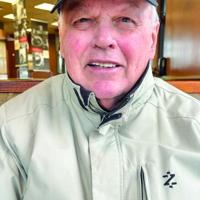
![]() John O’Nabigon, chief of Long Lake #58 First Nation, is seen in this file photo. O’Nabigon says the addictions crisis can’t be solved overnight and requires intervention from both police and mental health professionals. (Marc Doucette/CBC)
“We need Canada and Ontario to assist us to have more readily available services for people at the community level,” O’Nabigon told Tuesday.
“What we have available is just not enough.”
Due to high drug prices in northern areas, southern Ontario gangs continue moving north for significant profits.- Theresa Wabason, OPP North West Region
The First Nation has allocated $150,000 to hire two new staff members: one will work closely with community leaders and police to deter drug traffickers and those harboring trespassers – individuals who don’t belong to the community – while another will focus on developing a mental health strategy and overall well-being plan for residents.
The community is also developing a strategic plan to guide these efforts, O’Nabigon added.
John O’Nabigon, chief of Long Lake #58 First Nation, is seen in this file photo. O’Nabigon says the addictions crisis can’t be solved overnight and requires intervention from both police and mental health professionals. (Marc Doucette/CBC)
“We need Canada and Ontario to assist us to have more readily available services for people at the community level,” O’Nabigon told Tuesday.
“What we have available is just not enough.”
Due to high drug prices in northern areas, southern Ontario gangs continue moving north for significant profits.- Theresa Wabason, OPP North West Region
The First Nation has allocated $150,000 to hire two new staff members: one will work closely with community leaders and police to deter drug traffickers and those harboring trespassers – individuals who don’t belong to the community – while another will focus on developing a mental health strategy and overall well-being plan for residents.
The community is also developing a strategic plan to guide these efforts, O’Nabigon added.
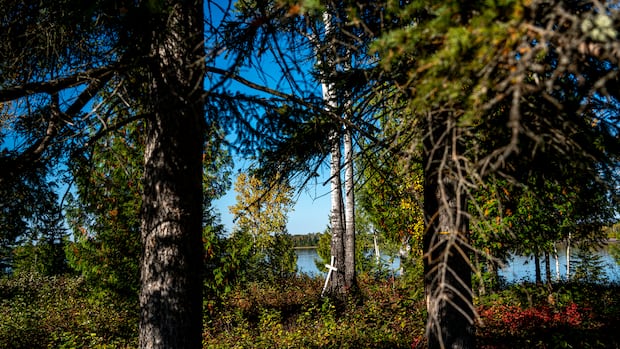
![]() Long Lake #58 First Nation is located along Highway 11. The Ojibway community sits about 40 kilometres east of Geraldton and over 250 kilometres north of Thunder Bay. (Marc Doucette/CBC)
“While Greater Toronto Area may be known for street gang activity and related violence, gang issues have spread into rural areas including First Nations,” Wabason wrote.
“Because drugs are expensive in northern communities, southern Ontario gangs keep pushing northward for greater profits.”
Wabason stated that OPP remains committed to collaborating with First Nations as well as policing partners “to ensure ongoing community safety through focused enforcement and intelligence-led investigations when requested.”
Long Lake #58 First Nation is located along Highway 11. The Ojibway community sits about 40 kilometres east of Geraldton and over 250 kilometres north of Thunder Bay. (Marc Doucette/CBC)
“While Greater Toronto Area may be known for street gang activity and related violence, gang issues have spread into rural areas including First Nations,” Wabason wrote.
“Because drugs are expensive in northern communities, southern Ontario gangs keep pushing northward for greater profits.”
Wabason stated that OPP remains committed to collaborating with First Nations as well as policing partners “to ensure ongoing community safety through focused enforcement and intelligence-led investigations when requested.”
![]() Long Lake #58 First Nation has been under a state of emergency since January 30th according to this September 2025 file photo. (David Jackson/CBC)
A spokesperson for Indigenous Services Canada (ISC) also provided an emailed statement to Friday.
“Everyone deserves the right to feel safe in their own community. The initiative taken by the Nation towards gathering partners for a coordinated approach on safety stands as a strong way forward,” Jennifer Cooper wrote.
ISC granted Long Lake #58 over $1.3 million aimed at mental wellness programs during fiscal year 2025-26.
“This included [the] expansion of trauma-informed health care options along with cultural support initiatives within their area alongside Opioid Agonist Treatment programming equipped with additional supportive services,” Cooper noted.
Long Lake #58 also features a mental wellness team funded jointly by provincial authorities alongside ISC while receiving assistance through Matawa First Nations Management as well as NAN Hope program via Keewaytinook Okimakanak – Northern Chiefs Council,” she added.
Long Lake #58 First Nation has been under a state of emergency since January 30th according to this September 2025 file photo. (David Jackson/CBC)
A spokesperson for Indigenous Services Canada (ISC) also provided an emailed statement to Friday.
“Everyone deserves the right to feel safe in their own community. The initiative taken by the Nation towards gathering partners for a coordinated approach on safety stands as a strong way forward,” Jennifer Cooper wrote.
ISC granted Long Lake #58 over $1.3 million aimed at mental wellness programs during fiscal year 2025-26.
“This included [the] expansion of trauma-informed health care options along with cultural support initiatives within their area alongside Opioid Agonist Treatment programming equipped with additional supportive services,” Cooper noted.
Long Lake #58 also features a mental wellness team funded jointly by provincial authorities alongside ISC while receiving assistance through Matawa First Nations Management as well as NAN Hope program via Keewaytinook Okimakanak – Northern Chiefs Council,” she added.
Southern Ontario gangs expanding into northern regions: police
O’Nabigon mentioned that Long Lake #58 has been strengthening its partnership with the Ontario Provincial Police (OPP), but he wants an increased police presence within their community. Sgt. Theresa Wabason, regional media coordinator with OPP’s North West Region provided an emailed statement to Wednesday.Resources throughout all recovery stages
Historically speaking , Long Lake #58 had sent numerous members offsite into Thunder Bay specifically going through detoxification from alcohol or drugs at accommodations owned by them supervised medically. While that method was effective , O ‘ Nabigon expressed his desire for seeing even more resources available locally helping individuals pre-treatment , during , and post-recovery phase. WATCH | Long Lake #58 First Nation supports dozens of its members as they detox:<img src="https://ontariochronicle. ca/wp-content/uploads/2026/04/1777565517_712_default. jpg" alt="" class="thumbnail" loading="lazy"/ Long Lake #58 First Nation supports dozens of its members as they detoxLone Long lake supporters have backed forty-two individuals inside Nor Wester Hotel Conference Centre situated In Thunderbay Ont., providing on-site medical/social support assisting detoxify themselves against either alcohol/drug dependencies. After completing ten-day session , they’ll transition onwards toward treatment followed-up engagement involving cultural healing experiences rooted back home. Here’s how they envision establishing models meant inspiring other first nations.“When someone reaches out seeking aid , they require immediate response -someone listening willing lending aid whether place turning too” said ON’ Nabigon “If there’s waiting time involved -losing connection happens.”
He anticipates seeing enhanced cultural education/traditional healing incorporated into personalized recovery plans along regular coordination efforts focused surrounding sending individuals away seeking treatments successfully addressing addiction barriers faced together cohesively across partnerships levels enhancing prevention programming offered altogether.
“Educating children motivating academic pursuit” he concluded showing them alternative better prospects life.. achievable goals eventually obtainable!”