


WARNING: This story contains references to suicide. Resources can be found below.
An Ontario coroner’s jury on Thursday shared 22 recommendations mainly targeting the Thunder Bay Jail where Kevin Mamakwa passed away in June 2020.
The jurors at the inquest that started on June 1 also concluded that Mamakwa, who was the nephew of Kiiwetinoong NDP member of provincial parliament Sol Mamakwa, died by suicide.
Their recommendations, which are directed at the Ministry of the Solicitor General, called for a plan to close down the jail within five years after the new Thunder Bay Correctional Centre opens. This facility, also known as the Thunder Bay Correctional Complex, is set to begin operations next year.
Jurors further suggested that the century-old jail should never be used again for incarceration purposes.
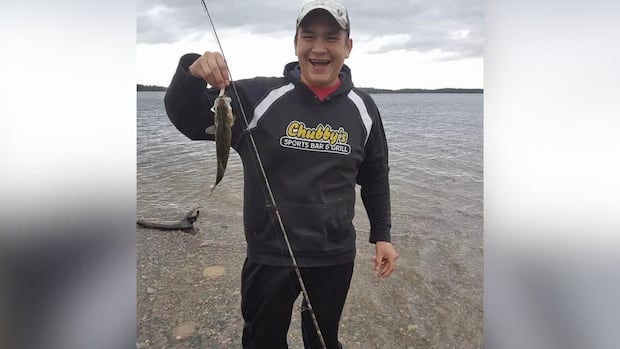
Kevin, a member of Kingfisher Lake First Nation, was a devoted father of four who loved playing hockey in his youth but faced challenges with mental health and addiction issues, according to his family.
Inquests are required under Ontario’s Coroners Act when someone dies while in custody. Jurors can determine how a person died but can’t assign blame or make legal judgments. They can suggest preventative measures for organizations and governments.
‘People keep dying there’
The inquest has reignited demands from First Nation leaders to shut down the jail.
At a morning press conference before jurors announced their findings, Sol Mamakwa referred to the jail as “a death trap” and insisted it “needs to go.”
“People keep dying in there,” he stated in Thunder Bay.
A significant part of the proceedings included testimonies from over a dozen witnesses discussing issues related to mental health and addiction support within the jail alongside worries about overcrowding, staffing shortages, and infrastructure deficiencies at the facility.
Kevin Mamakwa was 27 years old when he died while being held at Thunder Bay Jail on June 2, 2020. His uncle, Kiiwetinoong MPP Sol Mamakwa mentioned Kevin’s involvement in sports but noted his struggles with mental health and addiction problems. (Submitted by Sol Mamakwa)
The Thunder Bay Correctional Complex is currently being built on Highway 61 as a replacement for both existing institutions-Thunder Bay Jail and Thunder Bay Correctional Centre. However, both facilities are anticipated to continue operating even after this complex becomes operational under a single administration through what’s known as a campus model.
It has been previously reported that the jail will remain open for at least five years following completion of this new complex “to provide flexibility within Ontario’s correctional system,” according to Jayne Harten from the Ministry of Solicitor General during her comments at the inquest.
Family doesn’t want jail open, lawyer says
The $1.2 billion facility will feature 462 beds and is expected to be mostly completed by November with full operations starting next year.
“What they’re planning now is keeping this outdated, poorly designed prison open – and that’s something that Kevin’s family cannot accept,” said Meaghan Daniel, attorney representing Kevin’s family during these hearings.
Meaghan Daniel remarked that too many young Indigenous men have lost their lives inside this century-old facility and it’s high time for authorities to shut it down. (Marc Doucette/CBC)
“This institution has witnessed several deaths among Indigenous individuals similar to Kevin-young men under 30 who were detained pending trial while battling mental health issues and addiction-and we must act decisively following these losses.”
A representative from the Ministry of Solicitor General informed that as of Friday; The Thunder Bay Correctional Centre has an operational capacity for 194 inmates while The jail accommodates up to 134 individuals safely.
<
The jury also advised that ministry officials create functional capacities reflecting correctional settings’ capability to provide adequate supervision along with support services instead of merely focusing on inmate housing alone.
Improving access to health care, support services
The jury learned Kevin had been receiving suboxone treatment before his death; this medication serves as therapy for opioid use disorder. They were also shown a letter discovered after his passing where he expressed thoughts about ending his life.
The recommendations urged revisions regarding policies associated with opioid use disorders along with suicide prevention strategies; correctional officers should undergo continual training concerning substance use disorders along with trauma-related education too.
Kevin enjoyed playing hockey on Kingfisher Lake First Nation’s men’s team according to family memories shared (Submitted by Sol Mamakwa)
This jury suggested implementing around-the-clock nursing care within The Jail similar those planned features within The New Complex; ensuring inmates understand available supports is equally important too.
They proposed allowing inmates access outside their cells for no less than five hours daily.
Another recommendation emphasized consulting Indigenous leaders regarding cultural services tailored towards Indigenous inmates alongside continuous mandatory training focused on Indigenous culture aimed specifically at correctional officers.The Thunder Bay Jail located at285 Mac Dougall St., shown here June5thwas constructedin1926.(Sarah Law/CBC)
Mere concerns surrounding staffing shortages prompted jurors’ callsfor ministry transparencyin regards towhether they’ll release staffing plansfor The New Complex.
The jury advocated incorporating technology enabling prisonerscommunicationwithfamiliesor community members via video callsand creating dedicated telecommunication systemsupdating familiesabouttheir incarcerated loved onesas well.
Moreover, jurists recommendedregularfive-year reportsbythe ministryoutlining actions takenagainstincarcerationratesandrecurrent offendersespeciallynorthern areaswhile conducting independent reviewsconcerning Indigenousservicesavailablefortheseinmateswithinthatregion,
In addition, theprocessoutlinedwill initially involve transferring Thunder Bayinmatesinto Newcomplexforthe assessmentofwhichfacilitysuitsbesttheindividualized needsbefore developingtransitionalplansfavoringthoserequiringessentialservicescurrentlyunavailable.
The final verdictfromthe inquiryalongside22suggestionswilllaterappearonthe Ontario government’s website.
If you or someone you know is strugglinghere’swhereyoucan seekhelp:
Source link