





By Leah Borts-Kuperman, The Narwhal
The Great Lakes News Collaborative includes Bridge Michigan, Circle of Blue, Great Lakes Now, Michigan Public and The Narwhal who work together to bring audiences news and information about the impact of climate change, pollution, and aging infrastructure on the Great Lakes and drinking water. This independent journalism is supported by the Charles Stewart Mott Foundation.
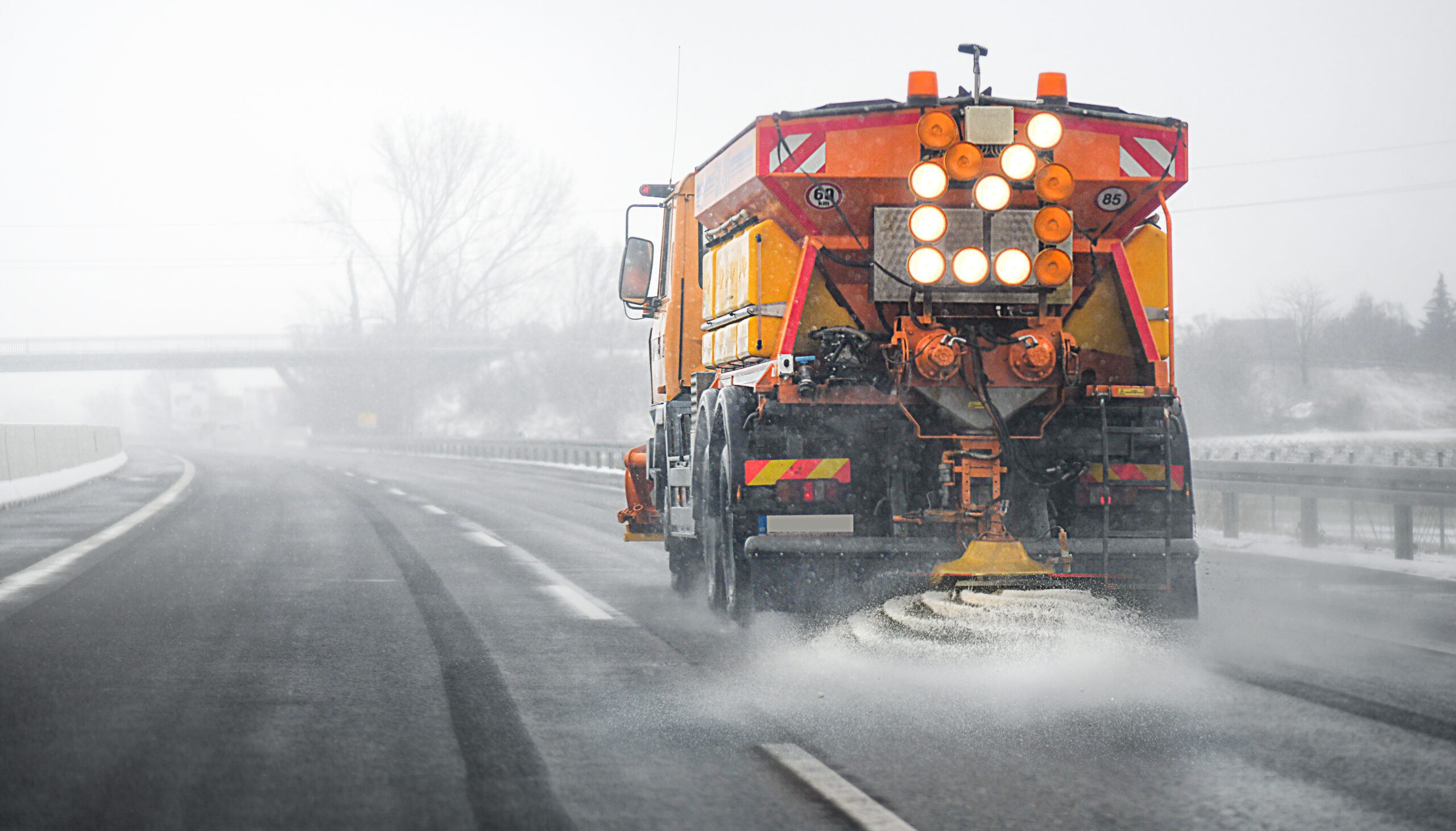
In February 2025, a small freshwater stream in Newmarket, Ont., was saltier than the ocean. The source? Winter road salt washing off local parking lots and highways into the Lake Simcoe watershed.
As a result, concentrations of chloride – one of two minerals that make up table salt – in Western Creek exceeded 26,000 milligrams per litre of water. Meanwhile seawater typically sits at 19,400 milligrams of chloride per litre of water, according to the local conservation authority.
For Christopher Wellen, an environmental scientist focused on hydrology and associate professor at Toronto Metropolitan University, this finding was not surprising: the Simcoe region and many others across southern Ontario have significant salt issues.
“It washes away from the roads, but it doesn’t just disappear,” Wellen said. “It goes where the water goes – that’s our groundwater; it’s our lakes; it’s our rivers – and has effects there.”
For decades now, road salt levels in Lake Simcoe have been increasing: communities in the watershed use around 120,000 tonnes each year as reported by Lake Simcoe Region Conservation Authority. That means roughly 227 kilograms of salt for every person living in the area annually.
Heavy salting during winter is common practice but Lake Simcoe has been studied for years so it serves as a clear example of what happens with such high amounts of road salt applied. It also highlights environmental consequences across Ontario where busy areas surrounded by cities are inundated with excess salt.
“We have this incredibly persistent relentless increasing trend in lake [salt] concentrations,”Lembcke said.”Certainlythepotentialisthere: ifwedon’tcurbtheamountofsalthatwe’reusingdrinkingwatercouldbeimpacted.” In regards tothe drinkingwater objectives Ontario advises keepingchloride under250milligramsperlitreofthewaterbutthislimitfocusesonflavornothealthconcerns. Forindividuals who must reduce sodium intake due tohigher blood pressure kidney liver diseases Health Canada suggestskeepingchloride below20milligramsperslitre. In Waterloo Ontogroundwater qualityand consequentlydrinkingwaterhavealreadybeenaffectedashighconcentrationsforcecitiesmixdifferentwellstoaverageoutchloride levelsregionally. Thecityhasstronglycampaignedforreducingroad saltsincecurrenttreatmentmethods don’t eliminate saltsandremovingit requires expensive energy-intensive processes leading tomorecostly watersupplyforthecommunity.
< "Ifyou’refollowingbestpracticesandinstructedproperlythatshouldserveassufficientdefenseagainstclaimsrelatingtoslipfalls,"Scottasserted."It'sa straightforwardlegalreformwhichbenefitsbothbusinesssandtheenvironmentwithoutneedingadditionalfunding."
Scottpointsto New Hampshire’ssuccessstorywherecomparativeclimaticconditionsresultedin25to45percentlesssaltpollutionaftergrantedlimitedliabilityprotectioncertifiedcommercialsaltapplicatorsachievedoutstandingresultsimplementingpositiveenvironmentalpracticesconsistentlyongoingmonitoringensuredmeasureswereeffectiveoverextendedperiodsregulatoryupdatesrequiredmovingforwardpossiblechangesfollowingsuccessstoriesestablishmoreequitableframeworksthatprotectallstakeholdersinvolvedincludingcitizenslivingnearthesecriticalwatershedsaffectingeveryoneindirectlywho relyontheirresourcesdaily-thiscouldbeapathwayforwardiftheprovincialgovernmentdecidesinitiatelawsuit reformprocesssoon!”(Wellen’smodelstudiesindicatebenefits associatedchanginglegalframeworkmaybearoundbyendofcenturyconfirmingsustainedreductionlakeconcentrationsoftime.) Yetagainprovinciallyregulatedchangesremainuntouched tillnowdespiteclearurgencyaddressdiscussedissueshead-onreflectedinrisingchloridelevelscontinuouslyreportedongoinglyearuponyearleadingtowardsgreaterconcernsforpublichealthas wellaslocalenvironments alike thusdirectivesmustcomequicklybeforeit’stoolate! – With filesfrom Fatima Syed
Source link
Road salt’s effect on fresh water
Road salt mainly consists of sodium chloride and is used to melt ice on roads during winter months. However, excessive salting can severely affect ecosystems by harming aquatic life and reducing biodiversity all year round. “Every organism that lives in streams and rivers and lakes … has tolerances for all sorts of things like temperature fluctuations and salt fluctuations,” Wellen said. “If the water becomes too salty they can find it really difficult to reproduce and thrive and continue to exist basically.” This chloride doesn’t break down or wash away easily; instead it builds up over time. “It’s quite possible that if things don’t change the food web could be quite affected,” Wellen added. The issue starts at the bottom of the food chain he explained before moving upward. Fish can usually move away from highly salty areas since they are mobile. The more significant impacts hit stationary species like those living in riverbeds which form part of the base food chain; when these creatures struggle to survive due to salty waters higher organisms lose their food source. The Lake Simcoe Region Conservation Authority states on its website that winter road salt has become a serious concern within this watershed particularly because there’s no effective way to remove it. Plus Lake Simcoe itself is critical as it’s Ontario’s largest lake entirely located within southern Ontario providing drinking water for hundreds of thousands while even more depend on groundwater aquifers found throughout its watershed.How salty is Lake Simcoe?
The Canadian federal government sets long- and short-term guidelines regarding chloride exposure before aquatic life suffers any damage. At just 640 milligrams per litre for only 24 hours aquatic species may face severe harm while longer-term exposure beyond 120 milligrams per litre could lead to declining fish populations over time. David Lembcke director of watershed science at Lake Simcoe Region Conservation Authority humorously compares this latter threshold to having a pack-a-day cigarette habit: “You’re going to have long-term impacts from that. There are some sensitive biota in the lake that will probably have reproductive developmental long-term impacts at those levels.” A report produced over ten years ago already revealed chloride levels were affecting aquatic species in 64 percent of regions within Lake Simcoe’s watershed. This past February saw chloride concentration around 61 milligrams per litre within Lake Simcoe according to Lembcke which is about half compared with established long-term limits set by provincial authorities but even so this level rises steadily averaging increases of approximately 0.7 milligrams per litre yearly based on data from conservation authorities. Locations further afield particularly urban tributaries such as Hotchkiss Creek or West Holland River consistently exceed both guidelines well after winter ends too accordingto Lembcke.“We have this incredibly persistent relentless increasing trend in lake [salt] concentrations,”Lembcke said.”Certainlythepotentialisthere: ifwedon’tcurbtheamountofsalthatwe’reusingdrinkingwatercouldbeimpacted.” In regards tothe drinkingwater objectives Ontario advises keepingchloride under250milligramsperlitreofthewaterbutthislimitfocusesonflavornothealthconcerns. Forindividuals who must reduce sodium intake due tohigher blood pressure kidney liver diseases Health Canada suggestskeepingchloride below20milligramsperslitre. In Waterloo Ontogroundwater qualityand consequentlydrinkingwaterhavealreadybeenaffectedashighconcentrationsforcecitiesmixdifferentwellstoaverageoutchloride levelsregionally. Thecityhasstronglycampaignedforreducingroad saltsincecurrenttreatmentmethods don’t eliminate saltsandremovingit requires expensive energy-intensive processes leading tomorecostly watersupplyforthecommunity.
What can we do about road salt?
While certain communities explore alternatives forsalt usage they comewith unique challenges. Solutions like beet juice or sodium acetate can be prohibitively costlyandsomeof theirlongtermimpactsonlocalecosystemaren’tfullyunderstoodyet. Experts alongwith activists seekto address this issueatitsroots. Commercial parkinglots represent major contributors responsiblefor oversalting likelydueto liability concernsregarding injuriescausedonsnoworiceintheseareas. “The problem that we keep seeingisthatsmallbusinessesorbigparkinglotsareoversalting, andit’saperverseincentivestructurewheretheyfeel like theyhave todoittoprotectthemselvesagainstslipandfall[lawsuits],”Jonathan Scottexecutivedirectorofthe Rescue Lake Simco Coalitionexplained. Scottalso chairs Nottawasaga Valley Conservation Authorityandservesas Bradford West Gwillimburycouncilmember. “It’snotanysafer. Itsworsefortheenvironment. Itsworseforsmallbusinessesintermsofincreasedcosts,” hesaid. Advocates including Scottand Lembckearguethatupdatinglawsbyprovidinglimitedliabilityprotective measureswouldhelpthosewhoobtainacertification suchas Smart About Saltwhilelearningbestpracticesensurebothpublicsafetyandenvironmentalsustainabilityduringwintermonthsregularlydecreaseoverallroadsaltapplicationvolumeslowsignificantlyfromfallinto springtime monthlyaveragesdecreasingfurtheryearoveryearintothefutureappearsfeasiblebasedoninitialresearchdonepreviously.< "Ifyou’refollowingbestpracticesandinstructedproperlythatshouldserveassufficientdefenseagainstclaimsrelatingtoslipfalls,"Scottasserted."It'sa straightforwardlegalreformwhichbenefitsbothbusinesssandtheenvironmentwithoutneedingadditionalfunding."
Scottpointsto New Hampshire’ssuccessstorywherecomparativeclimaticconditionsresultedin25to45percentlesssaltpollutionaftergrantedlimitedliabilityprotectioncertifiedcommercialsaltapplicatorsachievedoutstandingresultsimplementingpositiveenvironmentalpracticesconsistentlyongoingmonitoringensuredmeasureswereeffectiveoverextendedperiodsregulatoryupdatesrequiredmovingforwardpossiblechangesfollowingsuccessstoriesestablishmoreequitableframeworksthatprotectallstakeholdersinvolvedincludingcitizenslivingnearthesecriticalwatershedsaffectingeveryoneindirectlywho relyontheirresourcesdaily-thiscouldbeapathwayforwardiftheprovincialgovernmentdecidesinitiatelawsuit reformprocesssoon!”(Wellen’smodelstudiesindicatebenefits associatedchanginglegalframeworkmaybearoundbyendofcenturyconfirmingsustainedreductionlakeconcentrationsoftime.) Yetagainprovinciallyregulatedchangesremainuntouched tillnowdespiteclearurgencyaddressdiscussedissueshead-onreflectedinrisingchloridelevelscontinuouslyreportedongoinglyearuponyearleadingtowardsgreaterconcernsforpublichealthas wellaslocalenvironments alike thusdirectivesmustcomequicklybeforeit’stoolate! – With filesfrom Fatima Syed
Source link