




The Pawpaw Parade is a yearly initiative organized by the Carolinian Canada Coalition aimed at bringing back Ontario’s largest native edible fruit by distributing hundreds of pawpaw seedlings across various communities in the Carolinian life zone.
Nov 18, 2025 • Last updated Nov 19, 2025 •
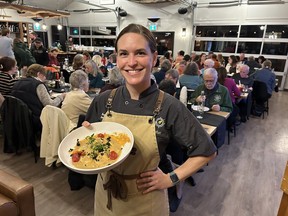
Shelli Bosgoed, executive chef and general manager at Marshview Patio in Norfolk County, created a three-course tasting menu that highlighted Ontario’s only native tropical fruit, the pawpaw. Photo by J. P. Antonacci /Local Journalism Initiative Reporter
For an experienced chef, it might seem straightforward: craft a three-course meal featuring the pawpaw fruit.
This has not loaded yet, but your article continues below.
However, Shelli Bosgoed, the executive chef at Marshview Patio in Norfolk County, faced several challenges.
First off, pawpaw are quite rare to find these days, especially after this summer’s hot and dry weather in southern Ontario.
The amount of fruit that made it into Bosgoed’s kitchen was just enough for about 70 enthusiastic diners who joined a pawpaw-themed event at Long Point Eco-Adventures in St. Williams last month.
Pawpaw is Ontario’s sole native tropical fruit – loved by nature enthusiasts, sought after by chefs, and increasingly protected by foragers due to rising interest leading to poaching of wild trees.
Add to this the fact that pawpaw have a short shelf life. After two or three days at peak ripeness, their delicious sweetness – often compared to mangoes, bananas and pineapples – starts to diminish or turn bitter.
This has not loaded yet, but your article continues below.
The creamy texture of pawpaw limits how they can be used in cooking; applying too much heat dulls their flavor.
If Bosgoed included too much of this unusual fruit on her plates, she risked unpleasant reactions for her guests.
The last part is slightly exaggerated; however, pawpaw contains annonacin- a neurotoxin that can cause headaches and upset stomach if eaten excessively.
Avoiding unhappy diners was key for Bosgoed as she opted to use small amounts of pawpaw smartly. She incorporated it into a vinaigrette with ricotta cheese and beet salad followed by some pawpaw purée paired with ravioli filled with cream cheese.
For dessert? The experienced chef layered more pawpaw purée between thick slices of banana bread accompanied by whipped cream infused with pawpaw and roasted pumpkin seeds on the side.
This has not loaded yet, but your article continues below.
“I’m really happy with tonight,” Bosgoed said as guests savored her dishes while tables were adorned with small unripe paw paws as centerpieces.
This being her first time cooking with them allowed Bosgoed to enjoy creating meals that enhanced the fruit’s “sweet and a bit tart” flavor profile.
“It’s fun and creative; it’s different than everyday cooking,” she shared. “Finding out you’re not really supposed to bake or cook them changed everything.”
She even “tweaked” her menu right up until the night before when she finally had an opportunity to taste the fruits firsthand and put theory into practice.
Sticking mainly to sauces using pa wpaw made things easier for her but also limited its potential in restaurant kitchens due their short “window” before going bad.
This has not loaded yet but your article continues below.
Bosgoed hopes trying out this unique ingredient will encourage her guests to seek out and play around with growing their own versions of this special fruit.
“I hope this becomes an annual event bringing new flavors into people’s homes,” she remarked.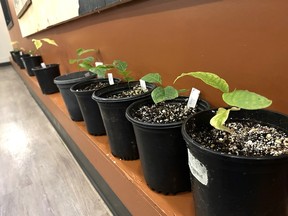 At this gathering attendees could buy young plants. More home gardeners are starting their own crops as efforts grow towards reintroducing native fruits back into places like Carolinian regions. Photo By J. P. Antonacci/Local Journalism Initiative Reporter
Protecting Paw Paw Knowledge
Even though wild versions grow nearby , finding them isn’t easy.
“ To find one , you usually need connections , ” says Leanne Lemaich -a local mushroom expert & paddle instructor from Long Point Eco Adventures.
Lemaich belongs among those few naturalists safeguarding Norfolk’s existing patches against opportunistic harvesters targeting trendy produce !
“The locals keep watch over those areas,” said Leanne.
Vigilance remains essential because trees which should be delicately cultivated during ripening periods are instead being stripped bare without care for long term sustainability !
P >This has not loaded yet , but your article continues below.
Some individuals go so far as uprooting entire trees just for profit according To Lemaich.
“They think ‘I can make some quick cash’ ” she explained regarding those motivated sellers who list on sites selling their harvests sometimes reaching $20/pound! Lemaich added : “That’s what Foraging is all about -taking what you need while appreciating what nature gives us.” Unfortunately many focus more on greed instead since money seems involved.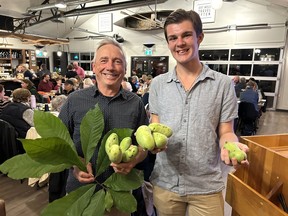 Kevin Kavanagh (left) & Dylan Cowan from South Coast Gardens introduced event-goers tp see what makes these large fruits so special here. Photo By J. P. Antonacci/Local Journalism Initiative Reporter
Tropical Flavors In The North
between bites guests listened intently learning more about why they should appreciate these local delicacies thanks two knowledgeable plant specialists! Dylan Cowan mentioned we’re right near north limit where hardy varieties thrive alongside rich soil conditions found naturally occurring within flood plains region itself! He fondly recalled discovering his very first wild-pawapaws back when exploring forests nearby when he was only eleven years old-a moment which left him enchanted ever since! 7 This hasn’t loaded yet, but your article continues below.Source link