



Opposition to development in northeast Pickering from the Mississaugas of Scugog Island First Nation has not changed, but the First Nation and the City of Pickering have created a way to discuss the issue after signing a Memorandum of Understanding this month.
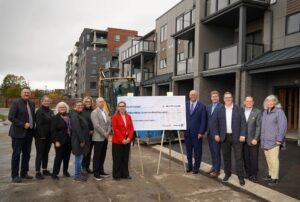
Pickering’s Mayor described it as a “very, very special” motion after council unanimously approved the MOA during a meeting on Sept. 20.
The agreement “recognizing and respecting treaties, advancing reconciliation, and building respectful and collaborative relationships with Indigenous communities” set up a formal process and starts a 120-day timeline to establish a consultation protocol, aiming for completion by January.
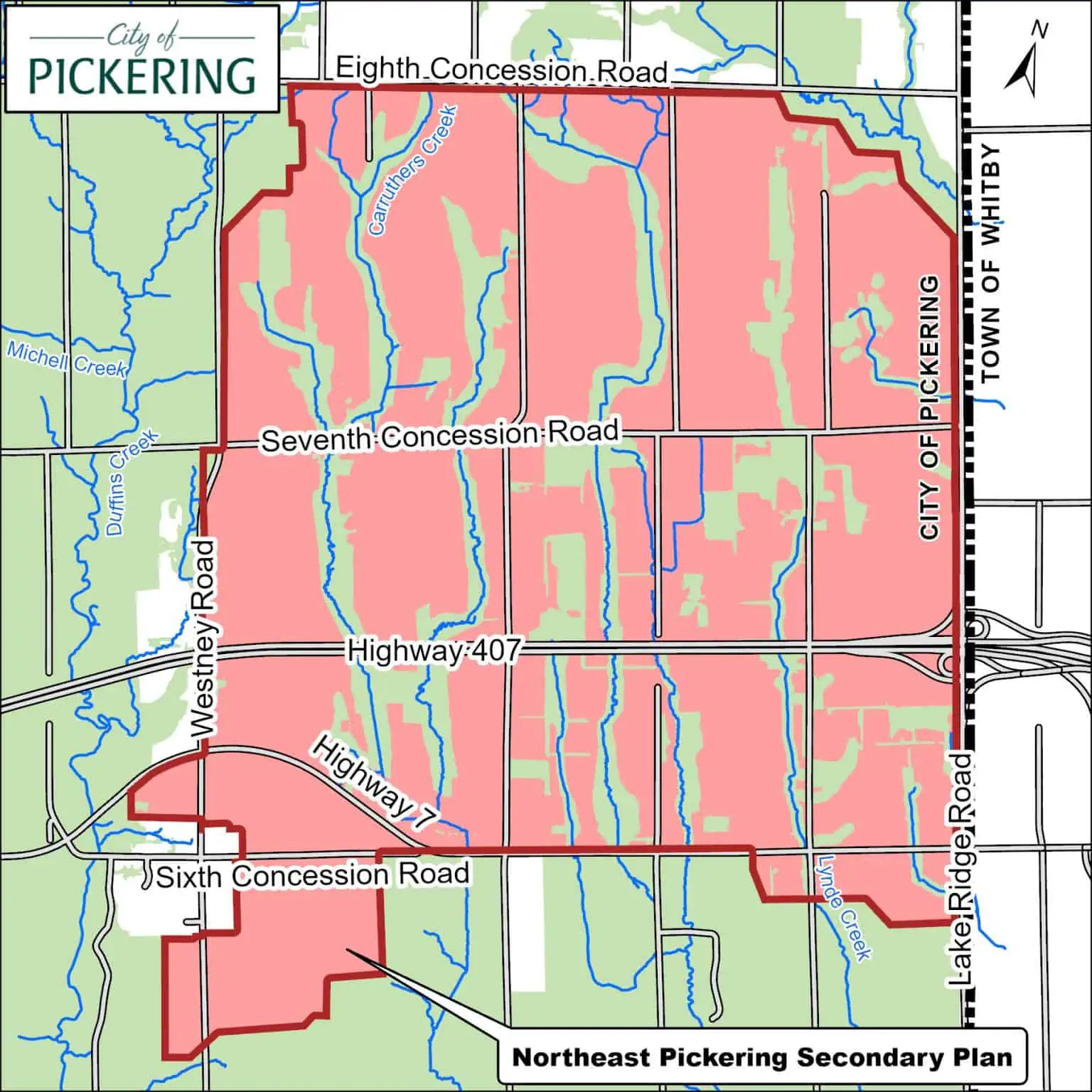
Pickering Councillor Linda Cook referred to it as a “significant” agreement that many believed would “never happen” following Scugog Island’s repeated concerns about consultation, cumulative impacts, and potential effects on Aboriginal and Treaty Rights regarding development in the area after the city approved the Northeast Pickering Secondary Plan earlier this year.
In a statement issued May 20, MSIFN confirmed that their opposition to the secondary plan remains unchanged, stating that their concerns about adequate consultation are still “unresolved.”
Scugog Island First Nation has yet to respond to the announcement of the new MOA.
The environmental group Stop Sprawl Durham added its voice against developing lands in northeast Pickering, expressing “serious concerns” after Pickering Council voted 5-2 in favor of approving the Northeast Pickering Secondary Plan during a five-hour Special Council meeting this spring.
Stop Sprawl Durham pointed out that council committed these lands to development before finishing necessary analyses to determine if they are required for meeting population targets by 2051.
Last 30 Days: 55,233 Votes
All Time: 1,550,492 Votes
2507 VOTES
What have you cut back on the most because of the cost of living?
“Council has tried to frame this as ‘only a policy document,’ but policy is exactly what enables development to proceed,” said Stop Sprawl Durham Co-Lead Helen Brenner. “This decision locks in the planning framework first, and asks questions later – including the most basic question: do we actually need this land?”
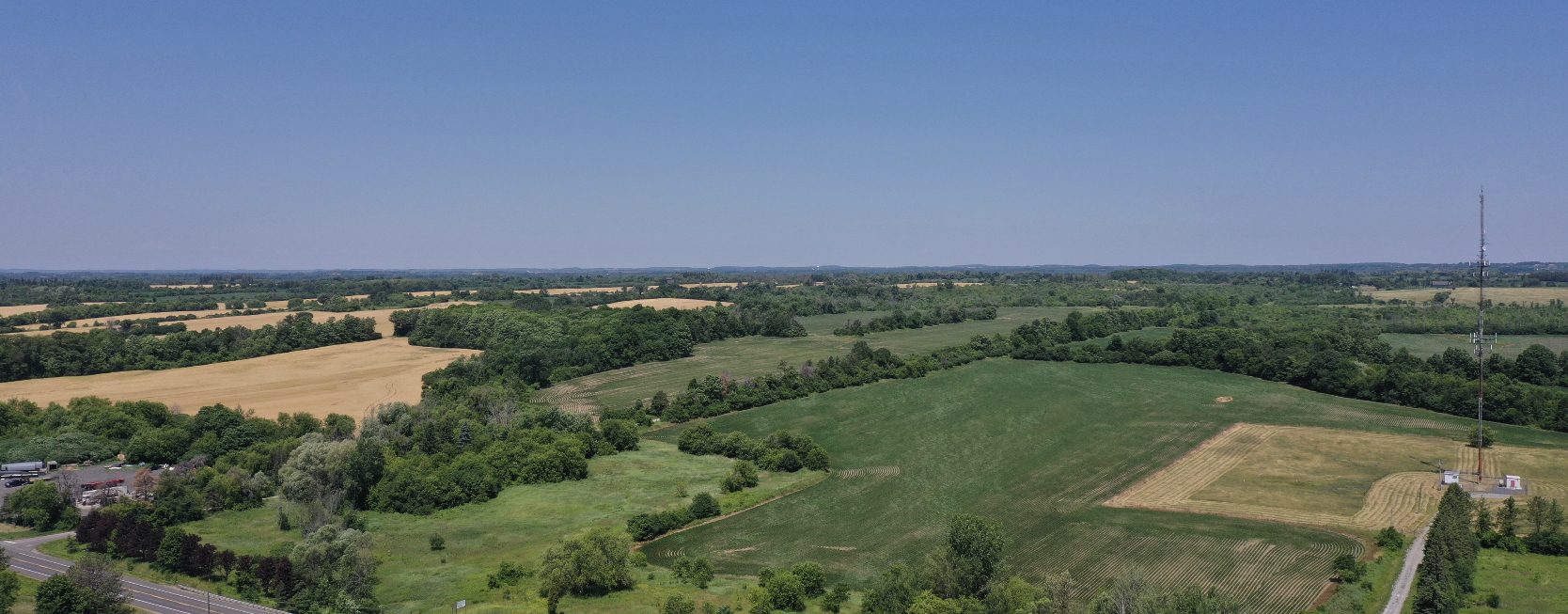
Stop Sprawl Durham highlighted that most lands designated for development consist of Class 1 agricultural soils – some of Ontario’s most productive farmland – covering about 4,356 acres or approximately 93 percent of the plan area.
This type of farmland is recognized as being important at the provincial level. According to provincial planning statements, any expansion into prime agricultural land must be justified by current data showing need based on land supply and alternatives available, she noted.
The resolution passed by city council on Sept. 20 authorizes staff to work with Mississaugas of Scugog Island First Nation in creating a consultation protocol for the Northeast Pickering Secondary Plan while ensuring they take part at negotiation tables toward reaching an agreement.
Ashe met with MSIFN Chief Kelly La Rocca in April to address concerns and talk about establishing a consultation protocol.
INsauga’s Editorial Standards and Policies
Stay in touch.
Subscribe now for our daily email featuring today’s top stories from your city!
Source link