





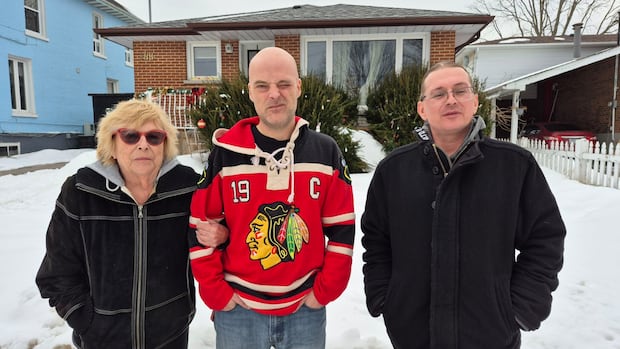
Oshawa resident Dale Nimmo has one month left to find housing. If he doesn’t, come March 31, he could be living on the streets. He says there’s “absolutely no way” he’s going to find an affordable place before that deadline. “I don’t really have any alternatives, other than being homeless,” he said. Nimmo is one of over 200 people who were part of The Salvation Army’s rental housing program in Durham Region, which ended in November. Now, Nimmo’s family says they’re struggling to help him find shelter. Durham Region funded the program and says it is providing support to all former tenants. But Nimmo and his family say they’re still waiting for a response from the region after reaching out for help. Nimmo’s mother, Jeanette Clark, lives an hour away in a rent-geared-to-income retirement home in Warkworth, Ont. “I feel helpless,” she said. “It seems like we’re getting nowhere, we’re getting the runaround.” Nimmo’s cousin, Jamie Wagar, lives a few blocks away from him but says he can’t afford to take him in. He’s a single father with two children and relies on a regional housing benefit to pay rent. Wagar says he and his aunt began “scrambling for options” once they learned Nimmo was losing his housing. Since October, when Nimmo got notice the program was ending, his family members say they’ve connected with local politicans and homeless support services with the region — but they haven’t received any updates yet. “I have maxed out everything that I can, every resource out there that I can come up with for my cousin,” Wagar said.
Housing crisis pushing families to the limit
The regional housing shortage puts significant pressure on families who supporting relatives, says Oshawa city Coun. Derek Giberson, who previously worked in homelessness support. “There are people who step away from supporting the family member, and it’s not because they don’t care [and] it’s not because they don’t love them,” he said. “They just don’t have the resources, because that individual might need the types of supports that they’re not able to give.” Eventually, Giberson says, a family “may be tapped out in terms of ways they can help.”2 program tenants facing eviction
In an emailed statement, Sahar Foroutani, manager of income, employment and homelessness supports with Durham Region, said the region is aware of two participants in The Salvation Army program “who are facing end-of-tenancy at the end of March.” Initially, there were three, but one has since found housing, Foroutani said. WATCH | Salvation Army says Durham Region withdrew funding for housing program in May: Salvation Army ends housing program in Durham Region amid funding cuts The Salvation Army is ending a rental housing program that supported hundreds of people in the Durham Region, after funding was cut earlier this year. As CBC’s Christian D’Avino explains, two landlords say the charity still owes them tens of thousands of dollars. While Foroutani didn’t specify who she was referring to, Nimmo says he and his two roommates all got a March 31 notice, but one roommate has since moved out. Initially, Nimmo thought he would be able to stay in the same house where he lived during the program. He had been paying $600 a month and expected to continue paying the landlord directly. But in December, he says his landlord raised the rent to $775 — an impossible figure, since Nimmo is unemployed and receives roughly $690 a month from Ontario Works. The dispute then went to the province’s Landlord and Tenant Board. There, Nimmo was ordered to pay his original $600 in rent for February and March, and move out by March 31. Nimmo’s cousin, Jamie Wagar, says he and his aunt began ‘scrambling for options’ after Nimmo was told The Salvation Army program was ending. (Rochelle Raveendran/CBC)
Since the program ended, Foroutani says Durham Region has partnered with non-profit agency Dedicated Advocacy Resource Support (DARS) to help affected tenants.
“The Region and DARS continue to work diligently to help secure housing for the other two individuals before the end-of-March deadline,” Foroutani said.
That assistance includes referring tenants to supports that “may move them closer to housing stability,” as well as help completing relevant applications and paperwork, she said.
But Nimmo says he feels abandoned by the region. He says he’s still waiting to hear back from DARS for help applying for Durham Access to Housing (DASH) — a waitlist for rent-geared-to-income housing.
Nimmo says he’s incredibly stressed about the prospect of becoming homeless. He’s never lived on the streets before.
After paying rent, he has almost nothing left each month to put towards a new place. He already relies on food banks and has been looking for a job, but he says it’s challenging due to his severe dyslexia and mental health issues.
The home where Nimmo has been living is not ideal. Temperatures can be frigid during the winter because of a window that doesn’t close, he says.
There are also no fire alarms and the fridge doesn’t work, so Nimmo and his roommate only eat food that can sit out.
Still, “if it was up to me, I would stay here,” he said.
“It’s just I can’t afford it anymore.”
Nimmo’s cousin, Jamie Wagar, says he and his aunt began ‘scrambling for options’ after Nimmo was told The Salvation Army program was ending. (Rochelle Raveendran/CBC)
Since the program ended, Foroutani says Durham Region has partnered with non-profit agency Dedicated Advocacy Resource Support (DARS) to help affected tenants.
“The Region and DARS continue to work diligently to help secure housing for the other two individuals before the end-of-March deadline,” Foroutani said.
That assistance includes referring tenants to supports that “may move them closer to housing stability,” as well as help completing relevant applications and paperwork, she said.
But Nimmo says he feels abandoned by the region. He says he’s still waiting to hear back from DARS for help applying for Durham Access to Housing (DASH) — a waitlist for rent-geared-to-income housing.
Nimmo says he’s incredibly stressed about the prospect of becoming homeless. He’s never lived on the streets before.
After paying rent, he has almost nothing left each month to put towards a new place. He already relies on food banks and has been looking for a job, but he says it’s challenging due to his severe dyslexia and mental health issues.
The home where Nimmo has been living is not ideal. Temperatures can be frigid during the winter because of a window that doesn’t close, he says.
There are also no fire alarms and the fridge doesn’t work, so Nimmo and his roommate only eat food that can sit out.
Still, “if it was up to me, I would stay here,” he said.
“It’s just I can’t afford it anymore.”
Source link