



Colleges and universities in Ontario will now be allowed to increase tuition by up to two percent over the next three years, followed by either two percent or the average inflation rate over those three years, whichever is lower.
Additionally, financial support for students is undergoing significant changes – non-repayable grants provided through OSAP are now capped at 25 percent, whereas before students could receive as much as 85 percent in grant funding from OSAP.
The provincial government claims these adjustments keep Ontario’s post-secondary education costs among the lowest nationwide. In a release, Ontario’s Minister of Colleges, Universities, Research Excellence and Security Nolan Quinn stated that these changes – which include a $6.4 billion funding commitment – focus on ensuring long-term sustainability for post-secondary education in the province.
“In order to protect our province, it is imperative that we continue to train a strong, highly skilled workforce for Ontario for decades to come,” Quinn said.
“Our government is not only ensuring the sustainability of our colleges, universities and Indigenous Institutes but also preparing our graduates with the in-demand skills they need to find good-paying careers while keeping education accessible and affordable for students and their families.”
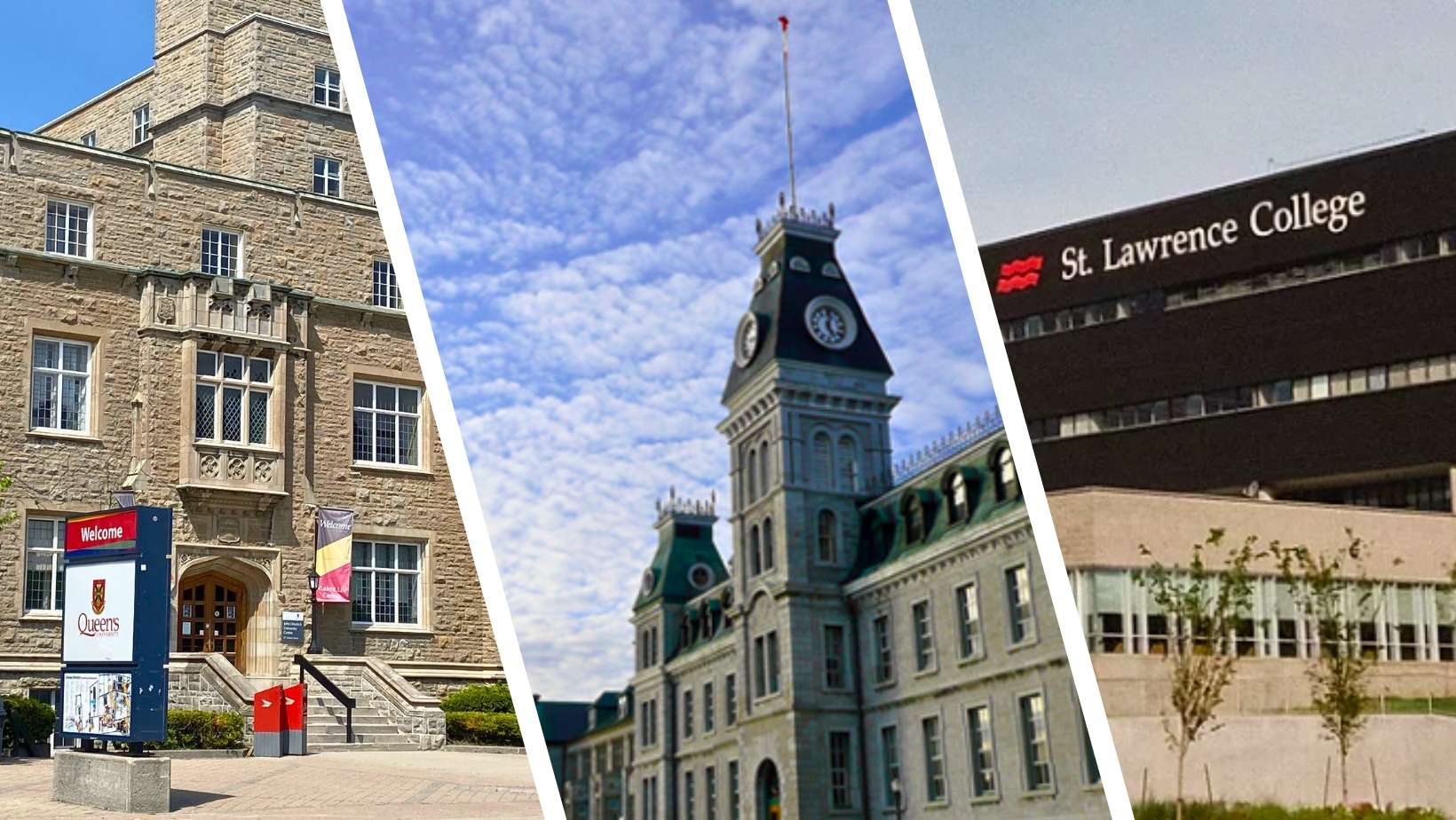
The changes have been welcomed by institutions across Ontario, including Queen’s University and St. Lawrence College (SLC) located in Kingston.
Following the announcement on Thursday, Feb 12, 2026, Queen’s released a statement expressing support for these changes and agreeing with the provincial government that this will help maintain system sustainability.
“We are grateful to the Government of Ontario for this renewed investment in higher education,” the statement reads.
“This investment reflects the important role universities play in Ontario’s future. By educating talented graduates, advancing research and innovation, and contributing to vibrant communities, higher education supports Ontario’s prosperity.”
SLC CEO and President Glenn Vollebregt shared similar thoughts about how this funding commitment indicates that the Ontario government values what post-secondary institutions provide while preparing workforces that benefit the economy.
While many students within Ontario’s post-secondary system may see positive aspects of higher education’s benefits, student unions across the province were disappointed to discover that new funding seems primarily funded at their own expense.
The Ontario Undergraduate Student Alliance (OUSA) released a statement applauding new funding along with “measured strides” regarding tuition increases while specifically praising efforts to fund 70,000 sought-after seats.
However OUSA raised concerns about OSAP modifications; President Sayak Sneddon-Ghosal noted that students who are already burdened with loans will face even greater challenges moving forward.
“We are concerned about the continued shift within OSAP from grants to loans, particularly how it risks disproportionately impacting students from various socioeconomic backgrounds,” Sneddon-Gosal said.
OUSA suggested conducting a comprehensive review of OSAP eligibility so there can be “a proportional increase in access to assistance and in the amount of assistance” along with implementing a no-interest loan program by the province.
The Public Service Alliance of Canada (PSAC) Local 901 representing grad student workers offered harsher criticism towards OSAP modifications within Kingston.
Elliot Goodell Ugalde, VP of Community Relations for PSAC 901 mentioned that their union strongly opposes these new funding changes; stating combined tuition hikes with cuts made on OSAP grants will unfairly impact young people already facing record-high unemployment rates throughout Ontario.
“Allowing tuition increases up to two percent each year while pushing students toward more debt means many will pay thousands more throughout their studies. For those already struggling against rising rents , food prices , and stagnant wages , these so-called ‘modest’ increases create serious financial strain , leading them into long-term insecurity,” Goodell Ugalde said via statement.
“Colleges and universities require stable public funding; however this mustn’t come at an expense where accessibility suffers… PSAC 901 opposes these alterations & calls upon provincial governments reversing cuts made towards OSAP grants alongside restoring meaningful non-repayable aid whilst maintaining strong controls over tuitions.”
The province contends however; that tuition amendments should only translate into additional costs around $0.18/day per college student or roughly $0.47/day per university attendee-while low-income learners would see these expenses absorbed thanks largely due enhanced Student Access Guarantee(SAG).
Owen Fullerton is a Kingston-based Local Journalism Initiative (LJI) reporter with YGK News. The LJI receives funding from Government Of Canada.
Source link
Source link


