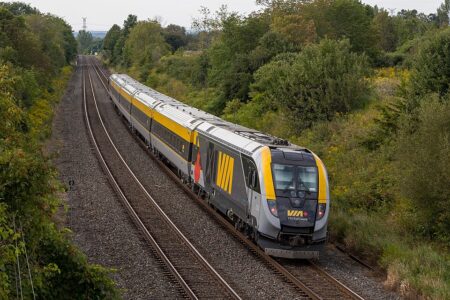




The federal government is pushing for another high-speed rail stop, which may slow down the proposed line.
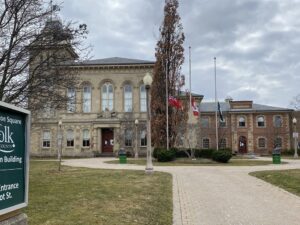
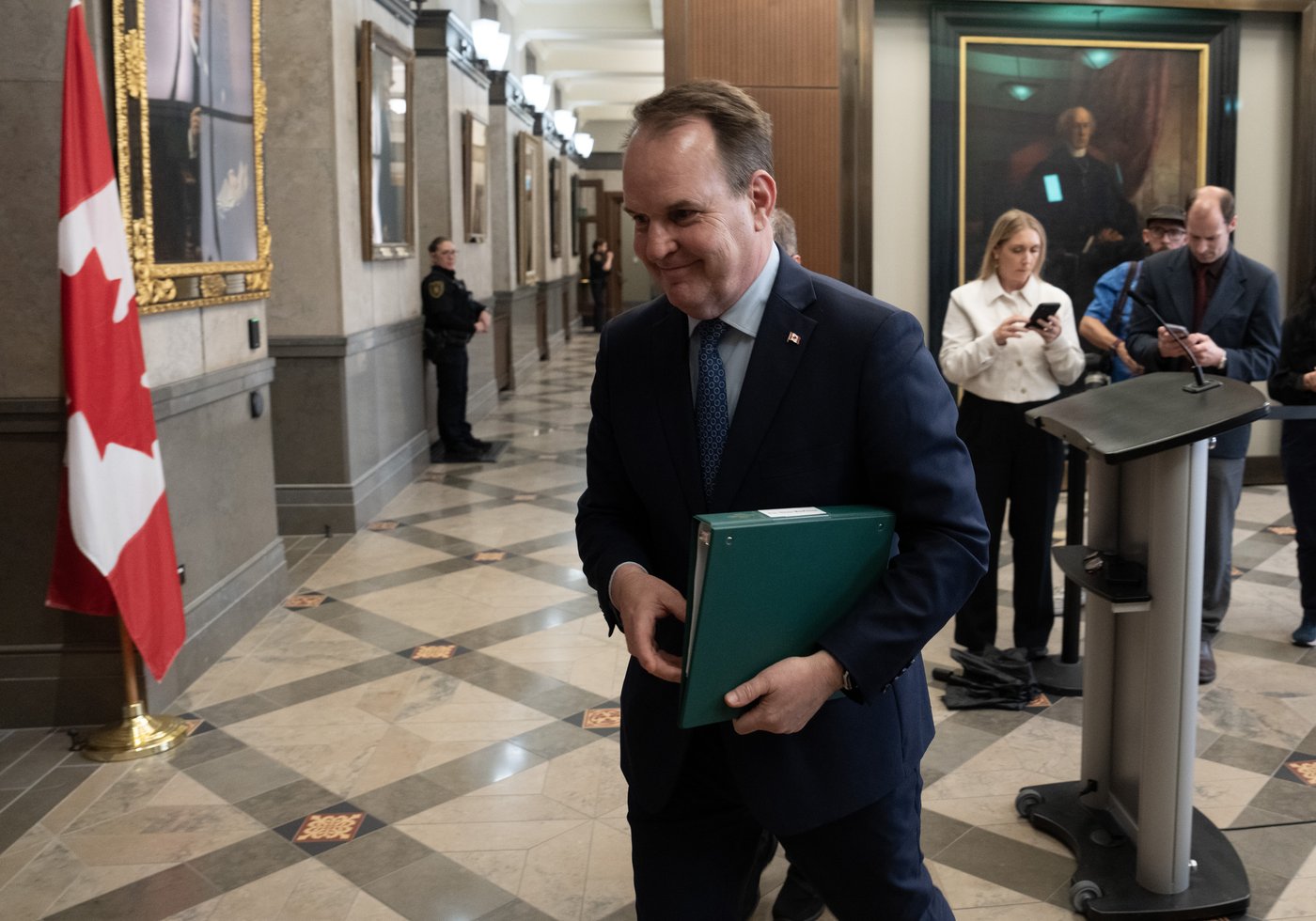
On Monday, Transport Minister Steven Mac Kinnon instructed Alto to look into adding a stop in Kingston, Ont., potentially altering the project significantly – a decision that met quick backlash from critics and raised concerns about planning and expenses.
“By our presence here today, we’re telling you what our strong preference is,” Mac Kinnon informed reporters in Kingston on Monday.
This announcement follows a three-month public consultation, and while the additional stop would extend travel times along the 1,000-kilometre route between Toronto and Quebec City, it could also attract more passengers, he noted.
“Yes, it is a longer route, but it does not add enough time such that it would dissuade people.”
In fact, this stop could enable faster travel for tens of thousands more individuals including students from Kingston’s two universities, long-distance commuters and fans “who might want to go to a Blue Jay game or a Montreal Canadiens game and can be back at home in their bed by midnight.”
However, there are many who disagree. The suggestion of an eighth stop on the route sparked immediate criticism from detractors online as well as protests outside the event.
“You get a stop. And YOU get a stop. And we all get a stop. Pretty soon we have just rebuilt Via,” remarked Kathleen O’Connell Renaud, a resident of St-Eugène, Ont., and spokesperson for the Altno movement in a post on the group’s Facebook page.
Others questioned why Kingston wasn’t included from the beginning if there was already a complete business case for the project.
“This Alto project is improvisation,” stated Christian Hébert, president of Quebec’s Union des producteurs agricoles in a social media post.
Mac Kinnon defended that this proposed addition came as feedback from residents during early consultations throughout the year.
The mayor of Kingston along with city council members and Liberal MPs had all pushed for a station in their city.
Yet the plan has faced strong opposition in rural areas of Eastern Ontario and Mirabel, Que., where locals fear how the railway would cut through their lands leading to expropriations.
Alto CEO Martin Imbleau mentioned on Monday that they are “seriously considering” utilizing land previously taken for what was once Mirabel passenger airport – now closed but has left farmers with lingering issues regarding land seizures. This route aims to prevent further farmland expropriations in that region.
The total cost estimate currently stands between $60 billion and $90 billion; however, large rail projects often exceed budget expectations.
This line will allow trains to run between Quebec City and Toronto on dedicated electric tracks at speeds surpassing 300 km/h. The corridor will feature three-metre walls with no at-grade crossings planned.
Ahmed El-Geneidy from Mc Gill University’s School of Public Planning argued that adding this stop in a Liberal area shows how politics heavily influences this initiative despite being operated independently by Crown corporation.
“It means that this project is highly politicized one; we are not looking at what’s best; rather we’re ensuring different politicians stay satisfied,” he shared over phone call.
Additional stops can increase journey times by another 15 to 30 minutes according to El-Geneidy who co-authored an analysis about this line back in March.
“This is train you can’t halt quickly,” he explained. “Then you require time until you reach 300 km/h; thereafter you need remain at 300 km/h for longest duration possible.”
“The more stops added,” he continued “the slower overall travel becomes.”
This past April , Imbleau indicated during an interview with The Canadian Press mentioning Greater Toronto Area might see two stations instead of just one as originally intended ; with second likely located within neighboring suburb. If confirmed addition brings total count nine stops altogether.
A more northern corridor alongside southern alternative excluding Kingston still remains possibilities.
Construction phase one commencing projected years twenty twenty-nine or thirty linking Montreal , Ottawa effective preliminary testing ground massive infrastructure venture aiming transform rail transit Canada ‘s densest populated regions
Source link