




CHICAGO (AP) – After last-minute trade talks fell apart, U. S. President Donald Trump’s 50% tariffs on many Canadian imports went into effect on Saturday.
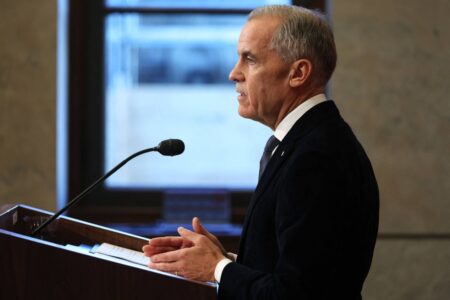
The new tariffs are anticipated to impact about 5% of Canada’s yearly exports to the U. S., which is around $20 billion worth of goods that include everything from hockey sticks to agricultural items. Prime Minister Mark Carney of Canada quickly stated on Saturday that his government would implement “dollar for dollar” retaliatory measures starting September 8.
: U. S. and Canada enter deeper trade conflict as negotiations fail and blame shifts
No further discussions are planned. This latest move between the two countries – once known for one of the strongest trade partnerships globally – pushes them deeper into a trade war that has kept both sides of the border anxious throughout Trump’s second term. Experts caution that increased tariffs can raise expenses for businesses and typically lead to higher prices for consumers.
“Almost every industry and profession is likely to feel effects from this escalating trade conflict,” said Augustine Lo, from law firm Dorsey & Whitney, who advises clients on international trade matters.
Here’s what we know.
Which products will be impacted?
Again, the 50% tariffs from the U. S. will target $20 billion worth of Canadian products.
Canada sends most of its goods exports to the U. S. (72% last year), and the Trump administration says these new taxes will apply to items ranging from hockey sticks to wine and cement. The list is extensive. According to documents released by the White House, other affected goods include honey, seeds, agricultural products – along with certain cosmetics, perfumes, clothing, jewelry, furniture, cameras, fabric and more.
The 50% tax also applies to some items that were previously protected under the US-Mexico-Canada Agreement (USMCA), a trade deal from Trump’s first term. This change indicates a shift in how past levies were applied – raising further concerns about the future of USMCA overall.
How is Trump enforcing these tariffs?
To impose these 50% tariffs, Trump turned back to an old law from the Great Depression: Section 338 of the Tariff Act of 1930.
This law was enacted nearly a century ago when economies were collapsing worldwide and Congress passed it as part of broader legislation known as “Smoot-Hawley” (named after its sponsors). The act generally raised tariffs across various sectors but became infamous among economists for stifling global commerce and worsening the Great Depression. However, Section 338 – which allows the president to impose import taxes up to 50% on countries discriminating against U. S. businesses – had never been used specifically for raising tariffs until now.
: Carney says U. S. trade negotiations are ‘nasty’ after Trump criticizes Canada’s leadership
No investigation is needed to justify these levies nor is there any limit on how long they can remain in place. Yet since there’s no precedent here, these latest tariffs could face more legal challenges down the line.
When he announced his planned tariffs last month, Trump claimed Canada was unfairly treating U. S. exports such as automobiles, alcohol and dairy products poorly. He expressed frustration over Canada’s response to his own previous tariffs last year-pointing out that Canadian imports of American alcohol and cars began declining last spring.
Is Canada responding?
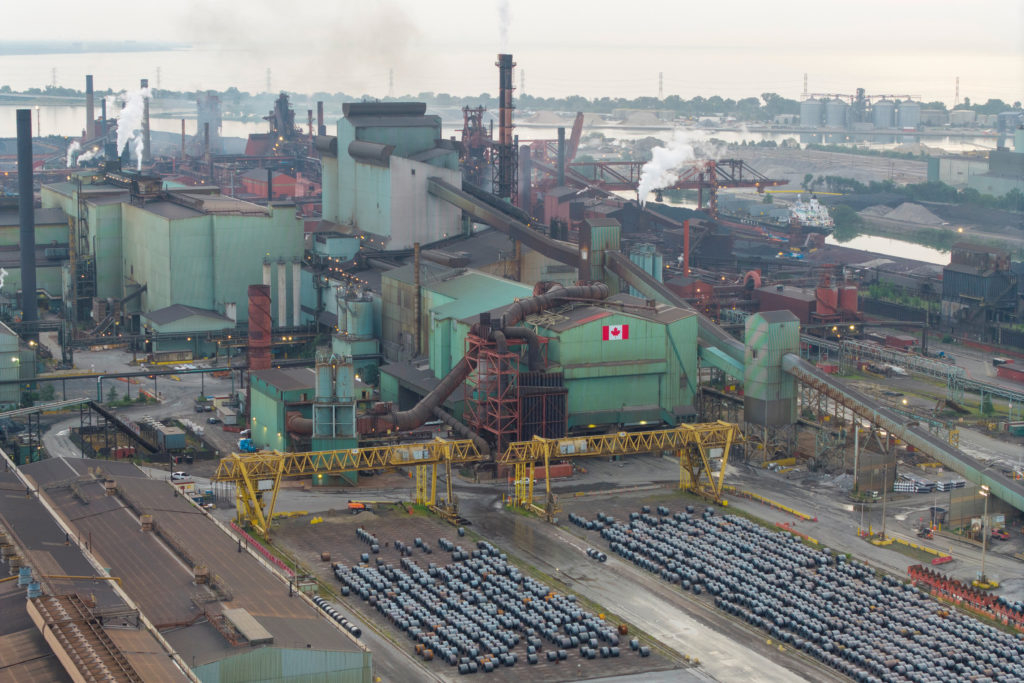
Carney swiftly promised that Canada would match these new levies “dollar for dollar,” later stating retaliation would kick off September 8. He mentioned that Canada’s tariff increases would focus on steel, dairy products, appliances, agricultural equipment, pulp and paper goods as well as electronics.
The prime minister indicated Canada might consider dropping remaining retaliatory tariffs on steel, aluminum and autos if Washington significantly reduced its own demands while encouraging provinces to restore sales of U. S.-made alcohols. Ultimately though he said Washington’s final requests were too excessive.
Carney accused Washington of using “economic integration as a weapon” against Canada claiming his country had been “attacked” by these latest U. S. tariffs while asserting their ability to respond effectively due their reserves and resilience.
Trump’s chief trade negotiator Jamieson Greer vowed additional actions in response to Canada’s retaliation-without immediately clarifying what those might be. In a Saturday interview with “Fox & Friends Weekend,” Greer claimed that they offered cuts on steel duties along with autos and lumber but stated Canada “didn’t want” those terms either way.
What happens next?
Tariffs are taxes paid by importers or companies buying foreign goods which usually get passed down through higher consumer prices-and can create uncertainty among workers across affected industries as we’ve seen this past year.
North America now faces a “new tariff landscape,” said Dave Townsend, a partner at Dorsey & Whitney during an interview Saturday noting whether these latest levies prove temporary remains an open question.
The implementation of these 50% duties adds onto existing ones including another recent levy where Trump slapped a prior rate at10 % aimed toward preventing imports made via forced labor alongside separate sectoral charges impacting trading partners internationally.
This growing list illustrates Trump’s readiness towards risking established alliances while reflecting Canada’s hesitance in reaching agreements based upon past experiences.
: Carney asserts middle-power nations shouldn’t vie against one another competing favorably with America
Trump has repeatedly zeroed in at targeting Canadia even post instances when concessions occurred following his directives like tolling shared over Gordie Howe Bridge being enforced beyond15 years despite Canadians funding it connecting Detroit-Windsor corridor plus withdrawing digital service taxes last year amidst ongoing threats involving added duties spurred by issues ranging across advertising critical towards him(although subsequently pulled)and wildfires darkening skies all over North America.
Heightened taxation rates have already influenced inflation rates-but signs appeared suggesting stabilization recently according researchers affiliated within Federal Reserve Bank St. Louis particularly post Supreme Court ruling earlier in February knocking down aspects encompassing some broader sweep proposals introduced previously under Trump administration
However this recent round involving tax hikes directed toward Canadians represents yet another occasion where President shifted gears employing different laws imposing duties whilst concurrently conflicts erupting pertaining Iran continue driving prices skyward especially given cost-of-living focusing intensely within voters’ perceptions ahead midterm elections thus political consequences potentially intensifying come months ahead. AP Writers Paul Wiseman in Washington And Rob Gillies Toronto contributed.
Source link