





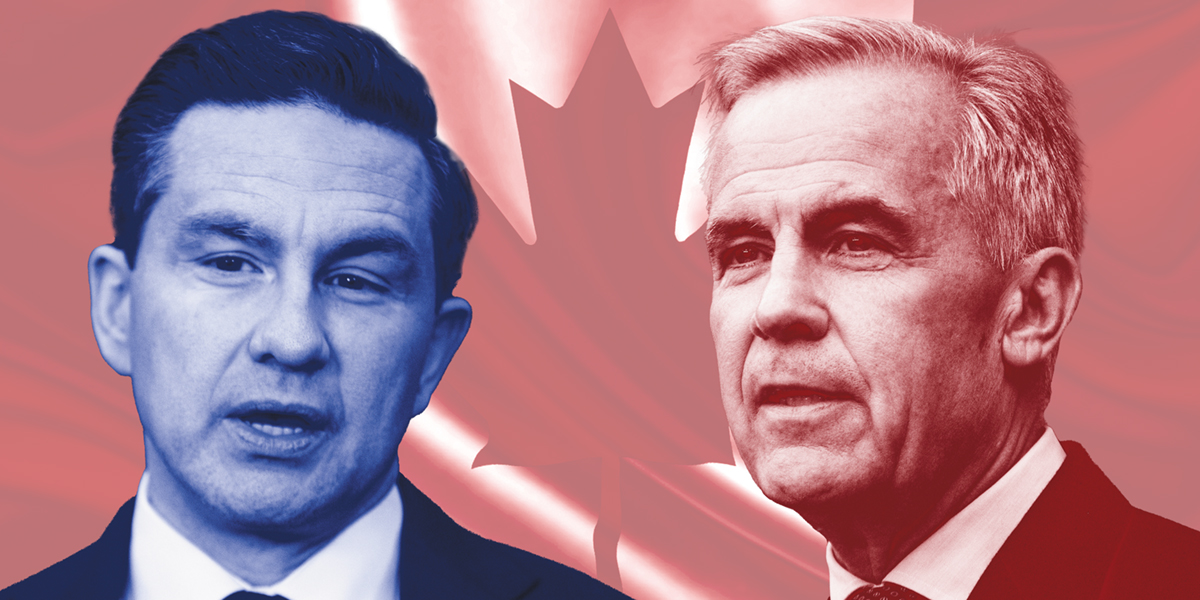
Even with a drop in support, the Liberal government still enjoys a solid lead over the opposition Conservatives as summer heads into its second half. However, much of this lead comes from older voters who are looking for long-term stability, while younger voters appear more divided and eager for change. Pollsters indicate that this widening generational gap is quickly becoming one of the key issues in Canadian politics.
David Coletto, CEO of Abacus Data, told that the Liberal government’s national polling advantage largely stems from a shift among voters aged 60 and older. Meanwhile, the Liberals and Conservatives are nearly tied among younger voters.
Coletto pointed out that while the Liberals hold a substantial 20-point lead over the Conservatives among those aged 60 and up-52 percent versus 32 percent-that margin shrinks to just one point for those aged 45-59. In this group, the Liberals have 40 percent support compared to 39 percent for the Conservatives, with the NDP rising slightly from five percent in the older demographic to seven percent.
A recent national survey from Abacus Data on July 19 shows both leading parties are statistically close among younger demographics. The Conservatives have a slight two-point edge with voters aged 30-44 (40 percent versus 38 percent for the Liberals), while NDP support has grown to 12 percent. Among those aged 18-29, however, the Liberals regain a narrow one-point advantage at 38 percent compared to Conservatives’ 37 percent and NDP’s highest support level yet at 15 percent.

As Prime Minister Carney outlines long-term plans, pollster Nik Nanos observes that “the social contract is fundamentally under strain because young people are working hard but struggling to pay the bills.” photograph by Andrew Meade
Coletto mentioned that unlike past election cycles where older voters leaned towards Conservatives as a stable choice, they now see Prime Minister Mark Carney (Nepean, Ont.) as their economic “safe harbour.”
“Older voters, the ‘boomers,’ want a government that will safeguard their home values and protect their pensions or savings,” Coletto explained. “Carney effectively won their trust during elections and continues to do so today.”
He also highlighted that Carney’s popularity can be largely credited to his personal appeal; he holds a net positive impression of +19 compared to Conservative Leader Pierre Poilievre’s (Battle River-Crowfoot, Alta.) -7. Among seniors over age 60, however, Carney’s favourability nearly doubles at +34.
Abacus Data CEO David Coletto states older voters regard Prime Minister Mark Carney as their economic ‘safe harbour.’ photograph by Andrew Meade
Nik Nanos from Nanos Research shared with his belief that this generational divide will become an increasingly significant political issue compared to traditional left-right divides.
The latest tracking data from Nanos reveals that although Liberals maintain an eleven-point lead nationally over Conservatives, this lead jumps to thirty-seven points among those over sixty years old-where nearly sixty percent support goes to liberals. They also enjoy fourteen-point advantages within both age groups of fifty-nine and forty-nine years old but trail behind by seven points among those aged thirty-to-thirty-nine where both Liberals and NDP tie at twenty-eight each; they have a fifteen-point lead amongst eighteen-to-twenty-nine year-olds.
“The battle brewing in Canada is generational, and they are country miles apart,” said Nanos who adds there isn’t any sign of an emerging revolutionary spirit among younger Canadians but acknowledges they’re growing increasingly dissatisfied with Canada’s social contract.
“That contract is fundamentally under strain because young people are working hard but struggling to pay bills; being able to buy a home without outside help feels impossible. This leads them toward impatience and frustration,” Nanos noted while mentioning how individuals above sixty tend “to be content with things as they are” without perceiving significant issues within society or seeing economic disruptions as threats.
Pollster Nik Nanos highlights major political issues split between ages around sixty years old as younger Canadians express growing pessimism about future prospects. photograph by Andrew Meade
Nanos added that young people sit on opposite ends when it comes down these matters.. they’re feeling dissatisfied along with anxiety regarding what lies ahead.”
Nanos further attributes this gap due differences between generations’ perceptions concerning what constitutes “long term” versus “immediate.”
“Carney plays a long game strategy here; if you’re over sixty then you’re less affected right away by financial pressures-but if you’re twenty-five facing grocery costs that’s different; it’s tough thinking about future strategies when you’re just trying getting through today,” he said.
Although he acknowledged Poilievre holds certain “political leverage” appealing toward disruptive tendencies seen amongst younger demographics who might want change or vent frustrations against systems currently prevailing.. it presents difficulties since these same individuals represent least likely turnout rates during elections.”
Younger voter participation increased significantly during elections held last year jumping nine points compared previous turnout percentages where voting dropped down fifty-five percentage range ages eighteen-to-twenty-four before reaching seventy-seven around ages sixty-five-to-seventy-four marking another decline afterwards returning back down again around sixty-nine point-one thereafter beyond seventy-five upwards though youngest cohort enjoyed some growth overall.”
Poilievre Can’t Compete With Stability While Appealing To Disruption: Coletto
While Coletto believes there’s still potential path available enabling conservatives win back favor within elder communities… they’d need new circumstances rendering Poilievre seen similarly reliable like previously during Justin Trudeau’s final days in office alongside broader context shifting views overall shaping ideas surrounding reliability coming forth later down road whenever domestic economic challenges return back onto forefront concerns many Canadians care most deeply about presently including cost living stressors & housing affordability pressing upon minds lately witnessed across all spectrums alike however challenging balance remains crucial priority moving forward considering others seek rapid shifts within policy frameworks needing attention quickly addressing needs being raised simultaneously too! p >
“Conservatives cannot afford stay viable keeping middle-aged youths worried primarily focused surrounding rising living expenses whilst simultaneously hoping persuade majority boomers desiring calmer approach maintaining consistency throughout times current events unfolding themselves,” says Coletto clarifying ultimate message stressing necessity prioritizing genuine understanding reflected clearly reciprocating sentiments felt driving divergent camps apart even further exacerbating tensions existing predominantly observed internally here Canada itself particularly given context directly affecting populace nearing crisis mode too!”
sbenson@hilltimes. com

Stuart Benson has been covering Parliament Hill for since2022 reporting on political party apparatuses advertising fundraising policing public safety women youth marijuana Canadian culture heritage also writing regular called Party Central contact him via sbenson@hilltimes. com.
See all stories BY STUART BENSON
Source link