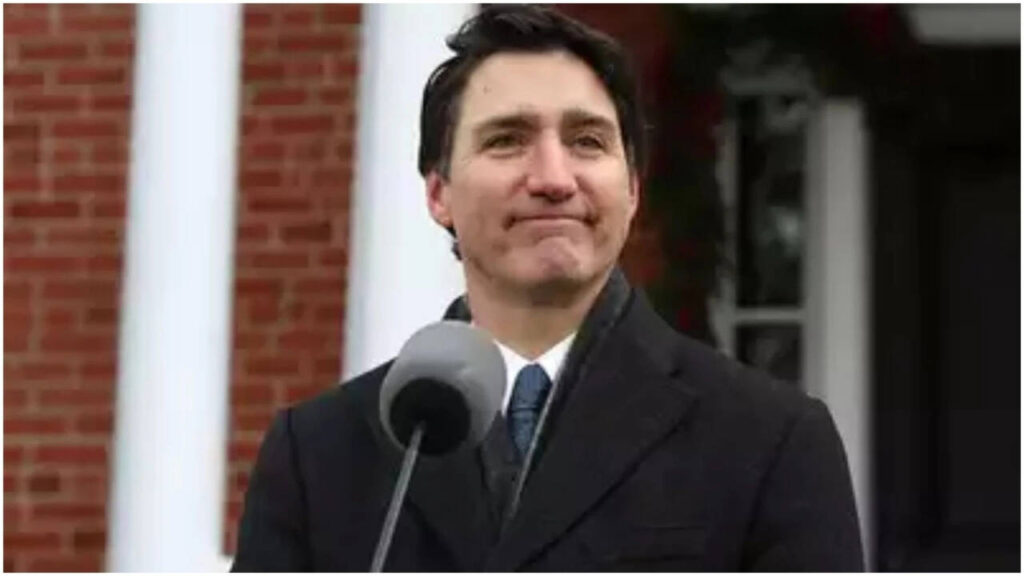
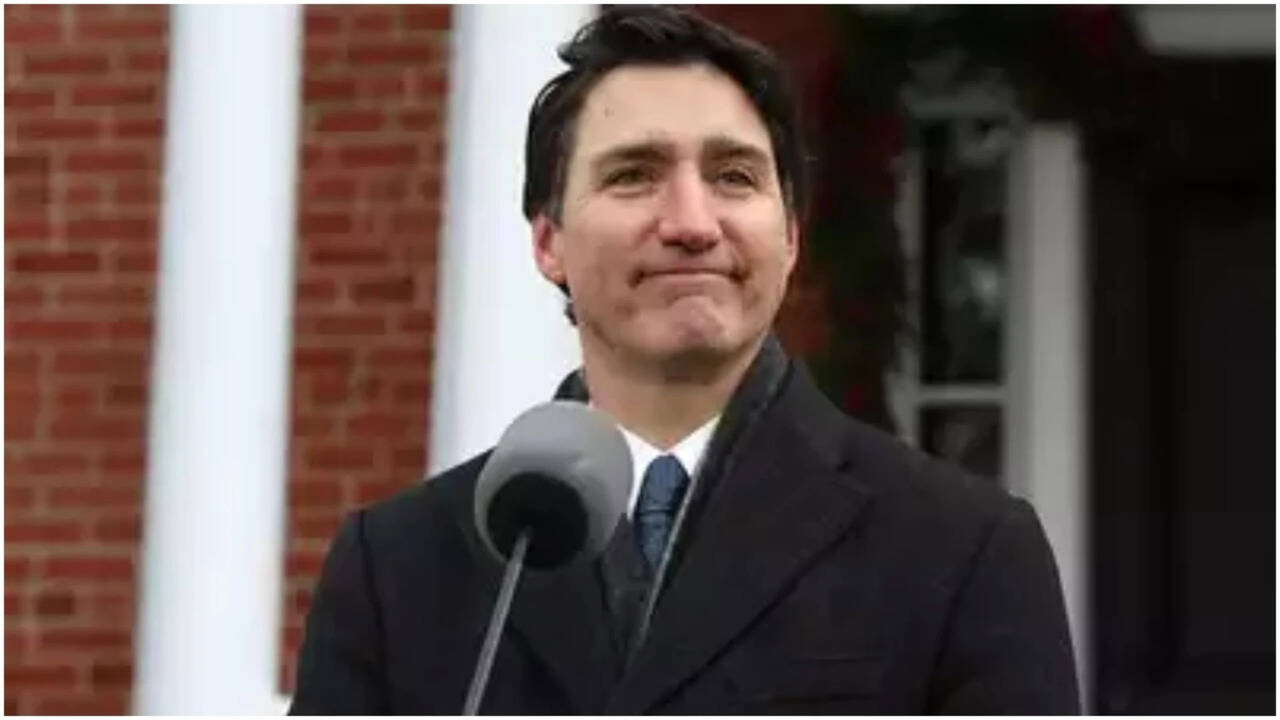
[ad_1]When Justin Trudeau mentioned that he doesn't read newspapers or watch the news, it highlighted his unique approach to public life. Having lived in the spotlight his whole life, he shows a notable detachment, which has become clearer since he resigned as Canada's Prime Minister. Although he remains part of public discussions, he seldom weighs in on political matters. This brings to mind his entry into politics as a young man stepping out from under the significant shadow of his father, Pierre Trudeau. After Pierre passed away in 2000, Justin gave an emotional televised eulogy at his father's state funeral, ending with “Je t’aime, papa” while resting on the flag-draped coffin. Almost immediately afterward, conversations began about whether Justin would enter politics. In 2001, in an article for the Globe and Mail, Justin expressed a kind of ignorance towards current events. “I don’t read the newspapers, I don’t watch the news,” he wrote. “I figure, if something important happens, someone will tell me.”The Journey of Justin TrudeauWhen Trudeau made his move into politics, comparisons to his father were unavoidable. Pierre had been a dominant force in Canadian politics from the late 1960s until the early 1980s and became synonymous with Canadian federalism and constitutional changes. Justin not only inherited his father's well-known last name but also gained an ability to engage audiences through effective public speaking and a friendly demeanor. Before entering politics, he worked as a teacher and was active in youth programs and charitable work. While some critics viewed him as inexperienced and primarily known due to his family background, Trudeau gradually established his political presence after securing a seat in Parliament in 2008. His pivotal moment came in 2013 when he took over leadership of the Liberal Party during its toughest times; following a historic defeat in 2011 where they placed third behind both the Conservatives and New Democratic Party many thought it would take ages for them to bounce back. However, Trudeau quickly reinvigorated the party by attracting numerous new members and revitalizing fundraising efforts while promoting an optimistic message that stood out against what was seen as cautious governance by Conservative Prime Minister Stephen Harper. The federal election of 2015 marked one of Trudeau's greatest achievements in politics. Running under "Real Change," he promised tax reforms aimed at benefiting middle-class citizens alongside commitments for more transparency within government operations-along with considerable investments in infrastructure improvements addressing climate change while adopting a friendlier stance toward immigration policies-he even claimed that this would be Canada’s final election held under first-past-the-post voting system thus raising expectations for electoral reform overall. Most impressively? He transformed Liberals’ standing from third place all way up to majority government-a remarkable comeback story within Canadian electoral history. Trudeau's initial years received extensive global attention when he formed Canada's first gender-balanced cabinet famously responding when asked why equal representation mattered by saying “Because it's 2015.” This statement quickly became emblematic of commitment towards gender equality principles exhibited throughout governance choices thereafter accepting tens thousands Syrian refugees while enhancing Canada’s reputation abroad emphasizing diversity along multiculturalism values internationally portraying nation as progressive middle power committed environmental sustainability cooperation among nations plus liberal democratic ideals. The first major setback hit Trudeau during SNC-Lavalin scandal back In 2019 allegations surfaced suggesting senior officials pressured Attorney General Jody Wilson-Raybould into interfering regarding criminal prosecution tied engineering firm SNC-Lavalin leading Wilson-Raybould resigning testifying before Parliament detailing inappropriate political influence exerted resulting widespread media coverage causing cabinet reshuffles ultimately concluding ethics commissioner finding improper attempts made influence attorney general damaging credibility for leader who campaigned integrity accountability. Later amidst COVID-19 pandemic altering political landscape entirely introduced extraordinary emergency measures including income support programs assisting workers businesses impacted lockdowns initially generating strong approval ratings rallying Canadians around government response improving approval ratings. In following year (2022), Conservatives appointed new leader Pierre Poilievre foregoing traditional politeness opting instead hammer away relentlessly branding Trudeau elitist disconnected individual responsible decline country conditions fast forward into future exhaustion set-in voters seemingly growing tired Liberal leadership seen through losses across regions once deemed secure then came late (2024) top ally Finance Minister Chrystia Freeland announcing departure discontent brewing among party members culminating finally resignation announced Mayday (2025) signifying end era transitioning quietly away from frontline politics.[ad_2]Source link