



Skye Plowman, the head bartender at Trapline Lounge in the Explorer Hotel in Yellowknife, mentions that customers have noticed the bar no longer serves drinks with U. S. liquor products.
However, she says it hasn’t been an issue since most people have enjoyed trying new Canadian versions of classic cocktails.
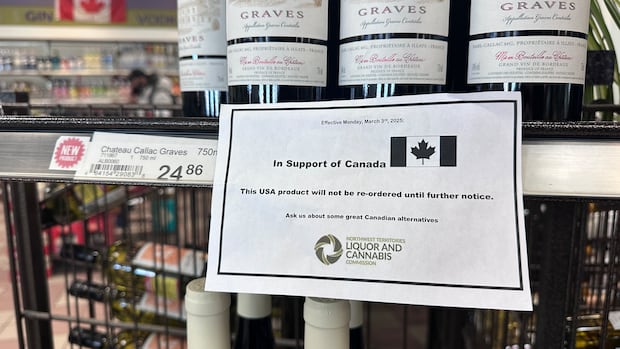
It’s been a year since the N. W. T. decided to stop buying all U. S. liquor products due to Canada’s ongoing trade conflict with the United States. The territory took this step in support of other regions across the country against U. S. president Donald Trump.
Plowman, who has been bartending for two decades, says her patrons have adjusted well. She highlights one particular drink: an Old Fashioned, which typically uses Kentucky bourbon but now often features Canadian rye whisky instead.
![]() Skye Plowman has been bartending for decades. She says people have noticed the lack of American liquor products, but they have also been happy to pivot. (Allister Mc Creadie/CBC)
“It’s been a really great opportunity for the consumer to learn about these ryes that have always been here,” Plowman said. “Suddenly, bartenders had to find new whiskies that were Canadian that had flavours that could be well-supported in an Old Fashioned.”
Skye Plowman has been bartending for decades. She says people have noticed the lack of American liquor products, but they have also been happy to pivot. (Allister Mc Creadie/CBC)
“It’s been a really great opportunity for the consumer to learn about these ryes that have always been here,” Plowman said. “Suddenly, bartenders had to find new whiskies that were Canadian that had flavours that could be well-supported in an Old Fashioned.”
Source link
No Plans for Change from Territory
In a statement to , the territory confirmed there are no plans to start purchasing American alcohol again. “For some products, the N. W. T. Liquor and Cannabis Commission has sourced alternatives from Canada and other international markets,” the statement noted. “Any cost impacts vary by product and supplier.” The statement also mentioned that there haven’t been any significant changes in expenditures or revenues due to restrictions on U. S. liquor products.An Analyst’s Take on Policy Response
Jerald Sabin is a political science professor at Carleton University specializing in northern and federal politics. He believes the territory’s ban on American liquor likely doesn’t impact America’s market much because of its small size. In fact, he argues it mainly affects residents of N. W. T. Still, he considers it a “perfectly reasonable” policy response. “The cost to northerners is low [and] there are alternatives available,” he said. Sabin added that by cooperating with other regions in Canada, this ban could potentially affect state-level economies in America like those of Kentucky and its bourbon industry or California’s wine sector. While some provinces remain firm on avoiding U. S. liquor purchases, others have taken a different approach. Last March, Alberta opted not to buy U. S goods and services but lifted its ban on American liquor imports by June. Saskatchewan also reversed its decision against selling or distributing American-branded alcohol made in Canada after facing backlash from industry stakeholders. For territories like N. W. T., maintaining this ban sends a strong political message according to Sabin. “Where we see an impact is really on the symbolism,” he explained. “This offers citizens of Canada and the North a chance to feel like they’re participating in an act of solidarity with their government and fellow citizens.”Source link