



Is travel beneficial for politics?
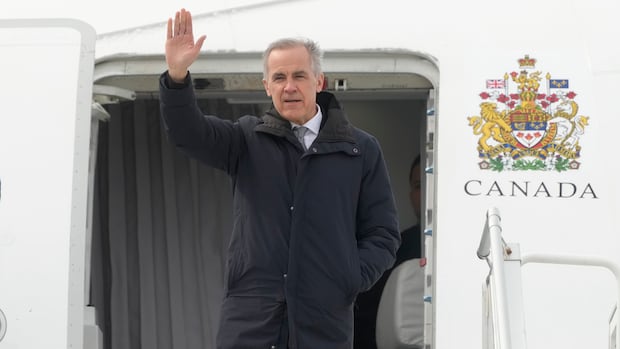
In an appearance on the Herle Burly podcast earlier this January, Ian Brodie-Harper’s first chief of staff-noted that he has come to believe that international travel can negatively impact a prime minister politically. “The problem is that when you travel you’re giving up the domestic agenda,” Brodie said. “We did some research on this when I was chief of staff. And when Mr. Harper was abroad … regardless of what he was doing and regardless of how well we planned the trip he was losing ground in public opinion. He was losing media space and he was losing political support every day that he was abroad.” Brodie pointed out that this finding goes against conventional wisdom which suggests being on an international stage allows a prime minister to rise above local political disputes and appear statesmanlike. He believes Carney may be spending too much time outside Canada for his own benefit. The counterargument could be that Harper’s world looked different than what Carney faces today. The early 2000s were complex-the first international trip Harper took involved visiting Canadian troops in Afghanistan-but Canada’s global standing wasn’t nearly as uncertain as it is now. Dan Arnold-who managed polling for Trudeau until 2021-admits he initially questioned whether international travel had real domestic political value but later changed his perspective. In Trudeau’s case according to Arnold Canadians seemed aware whenever Trudeau went overseas for official reasons (especially since Trudeau became something of an international figure during those early years). That visibility could help reinforce messages about supporting middle-class initiatives which were central to their government’s platform. However with Carney’s scenario travel is crucial because it aligns with his campaign message. “People are worried about Trump and they want Canada engaged with other allies. So even just meeting world leaders shows people that he’s capable on that stage while seeking new friends for Canada,” says Arnold who is now chief strategy officer at Pollara. “That’s core to his brand right now; it’s what’s on Canadians’ minds.” WATCH | What was the significance of Carney’s Davos speech?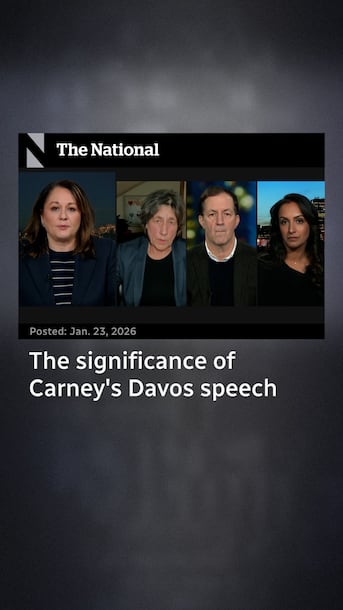 The significance of Carney’s Davos speech
chief political correspondent Rosemary Barton asked The National’s At Issue panel about Mark Carney’s Davos speech significance.
The Conservative party’s response has been critical of Carney’s travels arguing that meetings held and agreements signed haven’t led to concrete benefits for Canada or its citizens-a challenge facing the Carney administration going forward.
The highlight of Carney’s first year might very well be his address at the World Economic Forum in Davos where Pollara found out through surveys taken in February that 79 percent had heard about it while 59 percent felt more positively towards him afterward.
A noticeable increase in Liberal support appeared following polls conducted after this event as well.
The significance of Carney’s Davos speech
chief political correspondent Rosemary Barton asked The National’s At Issue panel about Mark Carney’s Davos speech significance.
The Conservative party’s response has been critical of Carney’s travels arguing that meetings held and agreements signed haven’t led to concrete benefits for Canada or its citizens-a challenge facing the Carney administration going forward.
The highlight of Carney’s first year might very well be his address at the World Economic Forum in Davos where Pollara found out through surveys taken in February that 79 percent had heard about it while 59 percent felt more positively towards him afterward.
A noticeable increase in Liberal support appeared following polls conducted after this event as well.
Does Canada need renewed focus internationally?
Beyond immediate political concerns though there may be broader implications suggesting how fundamentally different being prime minister has become; going forward it seems likely it’ll grow harder for Canadians-or their leaders-to treat foreign affairs lightly or separately from domestic issues. The clear catalyst here would be U. S President Donald Trump along with everything else tied into his presidency but there likely needed reinvestment into foreign relations no matter who took office last January anyhow. “I think it probably became essential irrespective of Trump; Canada’s leadership needs increased engagement globally,” says Kerry Buck-a former Canadian diplomat who served as ambassador at NATO between 2015-2018. Buck explains how relations involving America have often been viewed “as necessary yet existential” but anything else seemed “kind of optional” over previous decades-in her essay last year she elaborated explaining how growing global threats paired alongside seeing “Fortress North America” as once reliable security calls upon recognizing engagement not merely optional but integral within national interest.” Citing observations about past trends she highlighted how Canada increasingly became “more parochial” needing instead recognition viewing foreign policy essential rather than simply decorative perks within governance frameworks.” “This isn’t fun baubles displayed behind glass cases,” she noted further adding “it encompasses everyday realities fundamental towards our identity-as trading partners-and even though our geography offers relative safety that’s never guaranteed.”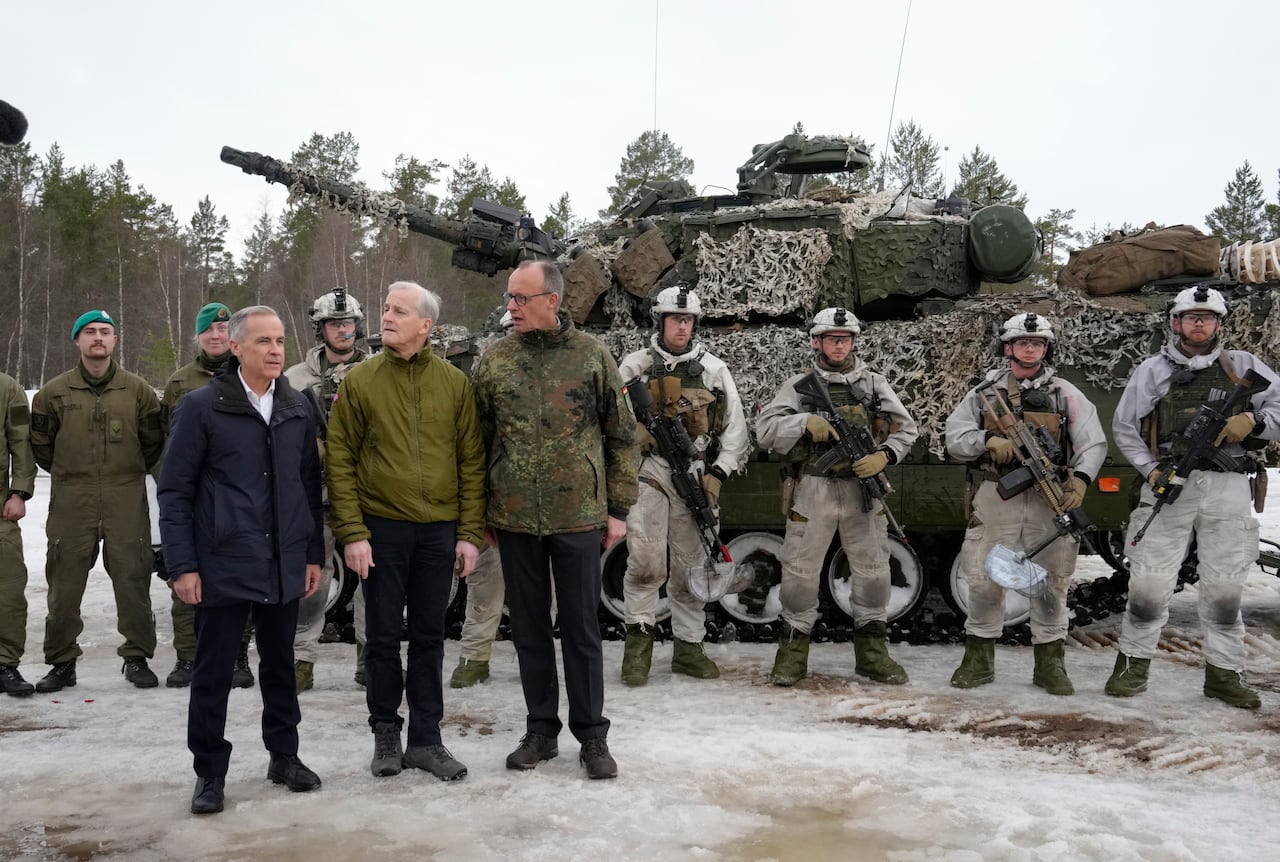 (Adrian Wyld/The Canadian Press)
The importance associated with such journeys often gets assessed via agreements signed along photographs presented back home however Buck insists these face-to-face discussions carry equal weight building trust & connections among leaders vital down line if called upon later regarding matters requiring collaboration.”
If prioritizing discovering fresh trade opportunities & forging alliances represents key objectives behind policies pursued moving ahead one must consider whether decisions reducing aid funding concurrently impair efforts necessary aligning operations yielding intended outcomes.”
Brodie’s worries centered around attention given Alberta/Quebec unity challenges despite advances elsewhere proving difficult especially affordable housing becoming huge vulnerability looming prominently affecting overall success ratings achieved thus far by administration.”
Migrating back toward preferred norms once observed proves unlikely henceforth leaving space open whereby realities concerning global interconnectivity exist increasingly pressing ensuring adequate responses arise tackling underlying systemic forces shaping modern landscape surrounding diplomacy engagements broadly defined.
Source link