




Multiple rescue groups in Barrie and the surrounding area received animals that were moved due to wildfires in northwestern Ontario.
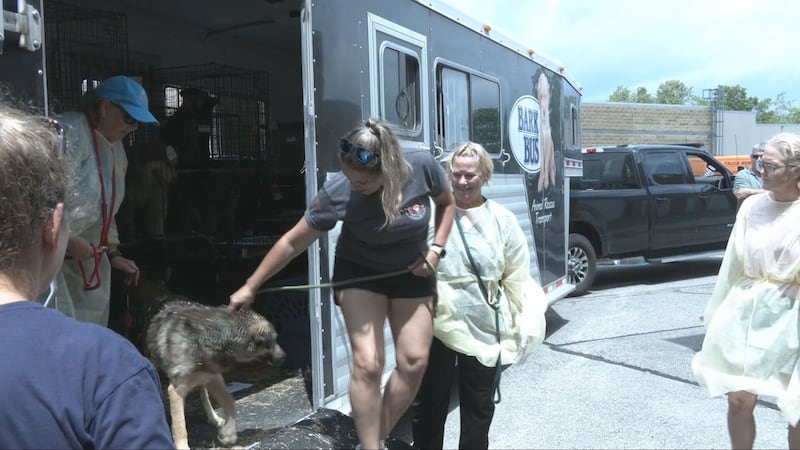
Barks and yelps filled the air as the Bark Bus arrived in Barrie Saturday afternoon, packed with dogs and cats coming from the north.
Several Simcoe County rescue organizations were on hand getting ready to welcome the 111 animals that had been surrendered into the care of Northern Reach Network in Thunder Bay.
The 81 dogs and 30 cats had to be relocated from shelters and foster homes to create space for animals being affected by the wildfires in northwestern Ontario.
Bark Bus Animals being transferred via the Bark Bus from Thunder Bay, Ont. to rescue organizations in Barrie, Ont. due to wildfires on Sat., July 18, 2026. ( /Jocelyn Martin)
Volunteers dedicated their afternoon at the Lost Boys Hope Rescue site where they helped transport the furry friends to their respective organizations, totaling 19 different rescues in the area.
During the trip south, the Bark Bus made stops at rescues in Sudbury and Parry Sound where some animals were dropped off before reaching Barrie.
Saturday’s rescue was especially meaningful for Pam Odam, transport coordinator at the Georgian Triangle Humane Society in Collingwood and a volunteer with Northern Reach Network.
“This particular event hits a bit close to home,” Odam says. “I have family up in the north who have evacuated on their own but doing something meaningful for animals that don’t have options, animals that don’t speak for themselves, it certainly brings me a lot of joy to be able to be on their path to new homes and new places.”
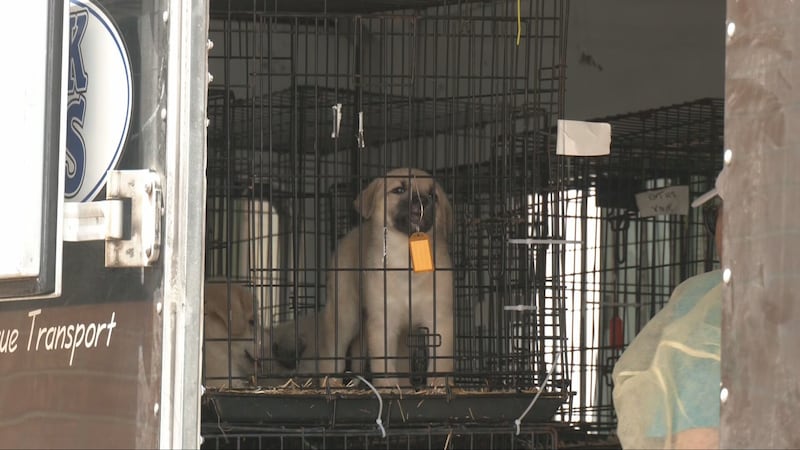
Bark Bus Animals being transferred via the Bark Bus from Thunder Bay, Ont. to rescue organizations in Barrie, Ont. due to wildfires on Sat., July 18, 2026. ( /Jocelyn Martin)
Rescue teams were lined up ready to take custody of the animals as organizers called them one by one so they could load their dogs and cats into vehicles meant for new shelters and foster homes.
Meghan Mc Donnell, founder of Northern Connection Rescue, highlights how important it is for rescues to connect with each other and raise awareness about northern animals.
“I think the more rescues that work together, the more dogs that we can help, but also we can advocate for what is happening in these communities,” says Mc Donnell. “Getting the help up there, bringing them down is just a Band-Aid, but bringing awareness to people in the south like overpopulation of dogs.”
“We need to get up there spay and neuter clinics, medicines, vaccines, wellness clinics to help bring that overpopulation of dogs down, minimize it and assist people looking for help with their animals.”
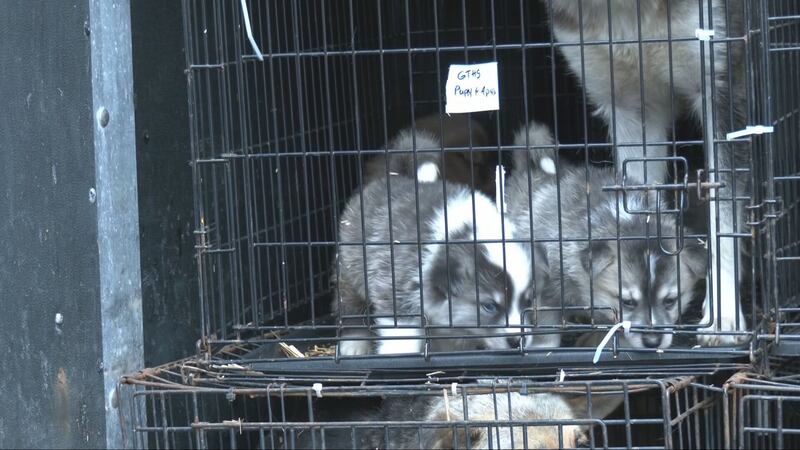
Bark Bus Animals being transferred via the Bark Bus from Thunder Bay, Ont. to rescue organizations in Barrie, Ont. due to wildfires on Sat., July 18, 2026. ( /Jocelyn Martin)
The Bark Bus won’t head back north empty-handed.
Mc Donnell mentions there’s a significant donation collected from various rescues contributed by community members aimed at helping both animals and families impacted by wildfires up north. Supplies like leashes, dog bowls, food items, crates and other necessities will all be sent back north.
For those who want to support this cause but can’t donate or adopt an animal themselves right now , Mc Donnell encourages people to share information about rescues on social media so others can spread awareness.
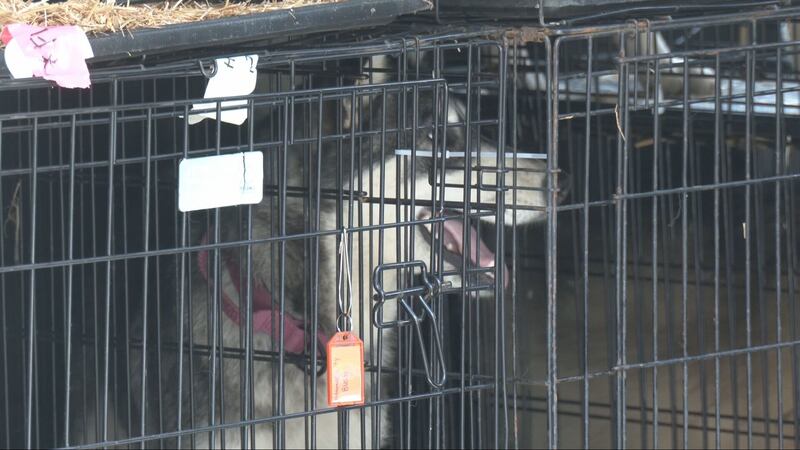
Bark Bus Animals being transferred via the Bark Bus from Thunder Bay , Ont. to rescue organizations in Barrie , Ont. due towildfireson Sat., July18 ,2026.( /Jocelyn Martin)
Source link