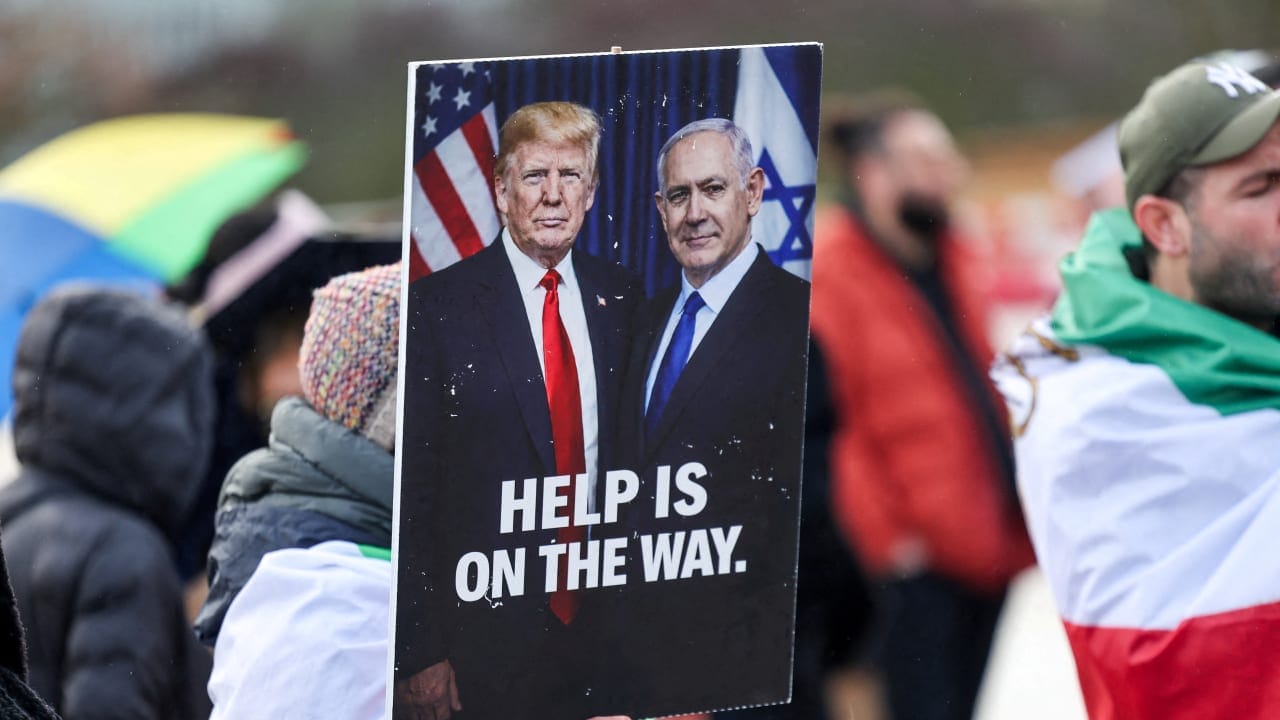
The conflict with Iran that started on February 28 will be seen as a time when the US-Israel alliance hit its peak, but also its most politically precarious moment.
On the battlefield, we witnessed something unprecedented. For the first time ever, American and Israeli forces operated together as one unified military entity. American and Israeli F-15s and F-35s flew in tandem during coordinated strike missions. They exchanged intelligence, shared refueling tankers, and allocated targets within joint command centers where Israeli officers used English as the primary language of operations.
This wasn’t the old style of alliance where one side provided weapons and political support while the other did all the fighting. It was a completely new dynamic.
From early in the war, it was clear how responsibilities were divided between CENTCOM and IDF. The US concentrated on safeguarding its bases in the region from missile attacks and drones while also targeting Iranian naval forces and working to reopen the Strait of Hormuz.
Israel focused on taking down key aspects of the regime itself – including its institutions, command structures, leadership figures, and missile stockpiles that posed threats to Israel’s homeland.
THEN-US PRESIDENT Joe Biden meets with President Isaac Herzog in the White House’s Oval Office, Oct. 2022. (credit: JONATHAN ERNST/REUTERS)
The operation that best represented this collaboration was when they struck down supreme leader Ali Khamenei. As per reports that have surfaced since then, precise intelligence about Khamenei’s location was sourced by the CIA from a human source before being relayed to Israel.
Following this intelligence sharing, Israel executed an extensive air campaign against Tehran, deploying around 100 aircraft to target not only Khamenei but also several senior officials surrounding him.
Regardless of opinions about this war, it marked a significant point in relations between Washington and Jerusalem. This partnership entailed more than just intelligence sharing or diplomatic support; it showcased trust and operational collaboration unlike any seen before. In many ways, Israel took on a role similar to what Britain held during World War II.
However, while pilots from both nations were flying over Iran together, public support for this alliance within the US began to wane.
Public Support for America is Diminishing
A Pew survey released on April 7 revealed that 60% of American adults now hold negative views towards Israel-an increase from 53% just one year prior. Only 37% reported having a favorable opinion of Israel-a shocking statistic considering Israel has been among America’s closest allies for decades as well as one of its largest recipients of military aid. Even more concerning is how fast these numbers are changing; since 2022 favorable views towards Israel have dropped by around 20 points.
When broken down by age group, things look even worse. The Pew study found that nearly 70% of respondents under age 50 expressed unfavorable opinions about Israel. Among Democrats alone, around 80% voiced negative sentiments.
Republicans still show some support for Israel but even those figures aren’t what they used to be; only 58% reported positive views compared to an alarming 41% who said they view Israel unfavorably.
A Gallup poll indicated a similar trend right before hostilities escalated at the end of February when Americans showed more sympathy towards Palestinians than Israelis for the first time in over two decades worth of polling data-though not by much-it nonetheless highlighted an undeniable shift toward declining backing for Israel which is nearing historic lows overall.
Consider how contrasting these situations are: On one hand you have both nations executing possibly their most advanced military cooperation ever whilst simultaneously witnessing dwindling public backing essential to sustain such alliances over time.
This waning support isn’t something easily ignored by leaders in Tel Aviv because alliances require public endorsement-not just generals collaborating behind closed doors or exchanging intel out-of-sight-to thrive within democratic societies where constituents need convincing they benefit from them enough via votes cast at election time whenever necessary or possible! When cracks begin appearing-as evidenced particularly among younger demographics-the repercussions can take some time manifesting themselves yet inevitably will follow through eventually!</pp
This long-standing strength supporting close ties between Israelis living stateside stemmed partly due shared values plus mutual adversaries faced over years passed however recent shifts complicate this narrative significantly!It allowed Israelis expect regardless who’s holding office federally that underlying foundation would remain intact enough withstand partisan divides currently dominating political landscape today-but it’s evident given weakening consensus across party lines assumption itself no longer holds true!</pp
Making matters worse still critics directed towards state’s policies encompass both ends spectrum rather than confined singularly left-right divide previously common place amongst traditional debates regarding Middle East issues at home domestically too!</pp
Progressives particularly spearheaded representation anti-Israel narratives led activists like Ilhan Omar Rashida Tlaib framing characterizations describing nation colonial aggressor violating human rights norms fabric often marginalized shifting gradually mainstream progressive rhetoric lately becoming increasingly prevalent congressional hearings major NGOs university campuses parts wider Democratic coalition now echoed repeatedly!”</pp
Additionally growing critiques emerging recently stems sectors Right wherein far-right media personalities echoing claims made regarding manipulative behaviors leading U. S involvement wars initiated likewise questioning why resources allocated funding commitments overseas should continue without scrutiny whatsoever especially amid current economic pressures facing domestic audiences alike!”</pp
The critical questions surrounding future trajectory U. S.-Israel relations must be asked by anyone concerned about fate alliance moving forward firstly how did arrive such polarizing state? Secondly can reverse deterioration witnessed trend thus far? And lastly if not then what implications emerge regarding security relies heavily upon continued backing assistance pledged diplomatically through generations past?”</pp