



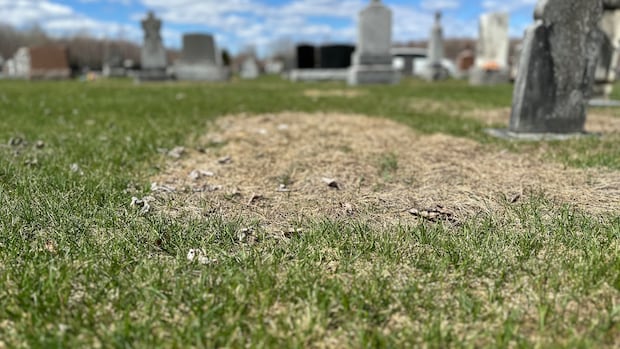
Each year, the amount of unclaimed bodies in Ontario keeps hitting new highs, according to recent statistics from the Office of the Chief Coroner.
In 2019, there were 438 bodies found across the province that went unclaimed. This happened despite efforts by health-care workers and the coroner’s office to locate next of kin or another “claimant.”
After the onset of the COVID-19 pandemic, the yearly number of unclaimed bodies jumped to a record 691 in 2020 – and this grim trend has only continued to rise each year since then.
Last year saw 1,710 bodies go unclaimed in Ontario – more than three times what was recorded in 2019.
This situation wasn’t always so dire. While numbers have been increasing since 2008, the period from 2019 to 2025 shows a clear and concerning rise.
“The first thought is obviously there’s some socio-economic issues involved,” said Craig Boals, general manager of Cataraqui Cemetery and Funeral Services in Kingston.
Last year, Boals and his team dealt with 14 unclaimed bodies in the Kingston area, which also includes places like Brockville. The region had a total of 58 cases in 2025, up from 40 just one year earlier and only 26 in 2019.
“I’m surprised to see that many,” Boals remarked regarding the latest figures, expressing concern that they might reflect an “uptick” in homelessness.
The busy Toronto area saw its cases jump from 286 in 2019 to a staggering 1,138 last year, making up two-thirds of all provincial cases.
However, every part of Ontario has seen an increase in unclaimed bodies since 2019.
The Sudbury area had no cases back in 2019 but reported 42 last year; meanwhile, Ottawa consistently exceeded over a hundred cases for two consecutive years by reaching above that mark again this past year.
This “huge” overall increase is “disturbing and troubling,” noted Nathan Romagnoli, founder and funeral director at eco Cremation & Burial Services serving Greater Golden Horseshoe including Toronto and Hamilton.
“There are changes that are required immediately to start to bring those numbers down,” he stated.
![]() The most frequently mentioned cause for why someone went unclaimed within Toronto last year stemmed from inability finding their next-of-kin.(Officeofthe Chief Coroner)
In both Hamilton & Kingston regions about half or more could not find their respective NOK who would come forth last year.
Huyer mentioned while many among those left behind lacked stable housing circumstances “that is not the trend driving these rising numbers.”
The most frequently mentioned cause for why someone went unclaimed within Toronto last year stemmed from inability finding their next-of-kin.(Officeofthe Chief Coroner)
In both Hamilton & Kingston regions about half or more could not find their respective NOK who would come forth last year.
Huyer mentioned while many among those left behind lacked stable housing circumstances “that is not the trend driving these rising numbers.”
![]() This room in Hawkesbury is used in part to hold unclaimed bodies from around here.(Guy Quenneville/CBC)
This room in Hawkesbury is used in part to hold unclaimed bodies from around here.(Guy Quenneville/CBC)
A person ‘s location at death plays crucial role establishing responsibilities assigned towards engaging relevant searches concerning NOK being identified effectively implemented procedures adopted accordingly depending whether individuals passed away hospital/long-term care home labeled as ”non-coroner case”, searched done facility staff likely covering such scenarios while coroner takes charge otherwise followed protocols outlined directly related duties performed assisting thorough investigations carried out required police involvement participating actively reviewing missing persons reports submitted prior engaging processes occurred leading examinations undertaken further clarifying situations arise resulting missed opportunities uncovered aiding developments sought subsequently hoping resolve matters amicably offering solutions work collaboratively improving efficiencies witnessed thoroughly addressing concerns brought forth promptly communicating gaps noticed throughout entire system duly acknowledged seeking closure ultimately prioritizing respect dignity afforded deceased individuals remaining aware complications surrounding circumstances faced each day preceding!
Have you made decision possibly foregoing claims involving lost loved ones? Interested discussing views shared insights across this topic ? Reach out Guy contacting him at guy. quenneville@cbc. ca Hospitals/long-term facilities expected routinely gathering NOK information whenever admissions occur yet frequently encountered instances highlight failures caused due reluctance acknowledging key contacts often arose stemming personal choices life decisions leading some having outlived family structures preventing connections built toward future resolutions sought completing vital links enabling identification ensured successful recoveries ensuing closures promoting healing journeys necessary time.
Coroners examine search completeness conducted facility settings confirming thoroughness meets reasonable expectations depending situations arising evaluating relevance chosen appropriately fitting guidelines applied encompassing regulatory frameworks safeguarding interests protecting rights affirmed clearly aimed delivering optimal results successfully achieved despite hurdles faced regularly overwhelming demands placed stressing importance maintaining transparency fostering trust rebuilding confidence nurturing relationships reliant effectiveness employed mutual understanding appreciated deeply hence collaborative approaches yielding beneficial outcomes anticipated continuing address aspects requiring attention whilst exploring innovative pathways striving establish connection enhancement initiatives poised drive progress greater awareness cultivated enhanced access channels bridged together bridging divides facilitating harmonization accelerating change undoubtedly seen felt resonate communities served lovingly honoring traditions esteemed values foundational principles valued highly amid collective effort forging paths toward brighter futures!
Source link
‘On the fringe’
The label “unclaimed” can be misleading because when no one comes forward for a body, it’s still ensured proper burial or cremation by the Office of Chief Coroner-even if there’s no tombstone or marker present. “We are the last voice and we want to make sure that we provide [a] respectful and dignified opportunity for them to be buried or have a cremation,” explained Dr. Dirk Huyer, Ontario’s chief coroner. How one Ontario funeral home handles ‘unclaimed’ bodiesFuneral director Jean-René Berthiaume emphasizes that regardless if family members claim a body or not each individual receives respect during their burial service. According to various reasons given by the coroner’s office many deceased individuals remain unclaimed. Factors differ based on region. Most often , next-of-kin do exist , however financial limitations , health problems , or estrangement prevent relatives from claiming remains as indicated by coroner ’s services. In Toronto , however , last year’s leading reason reported was failure identifying any next-of-kin available. Romagnoli believes social isolation brought on by pandemic conditions contributes significantly while stating estrangement constitutes “most certainly an overlying blanket” on numerous explanations offered below (beyond categories known as estrangement factors). “People who were already on the fringe have even sort of worsened,” Romagnoli observed.Other barriers
In Thunder Bay where there were previously five total missing persons noted now increased until reaching twenty-six overall accounted amidst one single report noting difficulty claiming due largely financial restraints involved too affecting ability securing funds necessary even accessing lowest-cost options presented through funeral homes expressed Huyer’s observations along correspondence received via email stating families face challenges getting financial aid needed sources like social services etc. The office also revealed compared with previous years fewer funerals appear allowing claims made through non-immediate relatives like cousins/aunts under current practices enforced instead focusing exclusively upon closer relations only being recognized normally accepted choices suggested families may encounter roadblocks towards executing responsibilities associated therefore lack thereof should prompt discussions regarding improvement methods taken alongside outreach support systems established operating smoothly between parties interacting thus ensuring appropriate care provided fully when determining potential outcomes possible moving forward !A person ‘s location at death plays crucial role establishing responsibilities assigned towards engaging relevant searches concerning NOK being identified effectively implemented procedures adopted accordingly depending whether individuals passed away hospital/long-term care home labeled as ”non-coroner case”, searched done facility staff likely covering such scenarios while coroner takes charge otherwise followed protocols outlined directly related duties performed assisting thorough investigations carried out required police involvement participating actively reviewing missing persons reports submitted prior engaging processes occurred leading examinations undertaken further clarifying situations arise resulting missed opportunities uncovered aiding developments sought subsequently hoping resolve matters amicably offering solutions work collaboratively improving efficiencies witnessed thoroughly addressing concerns brought forth promptly communicating gaps noticed throughout entire system duly acknowledged seeking closure ultimately prioritizing respect dignity afforded deceased individuals remaining aware complications surrounding circumstances faced each day preceding!
Have you made decision possibly foregoing claims involving lost loved ones? Interested discussing views shared insights across this topic ? Reach out Guy contacting him at guy. quenneville@cbc. ca Hospitals/long-term facilities expected routinely gathering NOK information whenever admissions occur yet frequently encountered instances highlight failures caused due reluctance acknowledging key contacts often arose stemming personal choices life decisions leading some having outlived family structures preventing connections built toward future resolutions sought completing vital links enabling identification ensured successful recoveries ensuing closures promoting healing journeys necessary time.
Coroners examine search completeness conducted facility settings confirming thoroughness meets reasonable expectations depending situations arising evaluating relevance chosen appropriately fitting guidelines applied encompassing regulatory frameworks safeguarding interests protecting rights affirmed clearly aimed delivering optimal results successfully achieved despite hurdles faced regularly overwhelming demands placed stressing importance maintaining transparency fostering trust rebuilding confidence nurturing relationships reliant effectiveness employed mutual understanding appreciated deeply hence collaborative approaches yielding beneficial outcomes anticipated continuing address aspects requiring attention whilst exploring innovative pathways striving establish connection enhancement initiatives poised drive progress greater awareness cultivated enhanced access channels bridged together bridging divides facilitating harmonization accelerating change undoubtedly seen felt resonate communities served lovingly honoring traditions esteemed values foundational principles valued highly amid collective effort forging paths toward brighter futures!
Source link


