
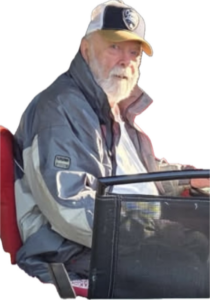




A woman from Thunder Bay is being celebrated for her efforts in safeguarding wetlands in the area.
Susan Bryan, who serves as a volunteer nature reserve liaison with Thunder Bay Field Naturalists, has been recognized as a community champion by Ontario Nature. This recognition was announced on Monday, coinciding with this year’s World Wetlands Day.
“It makes me feel proud of our group here, the Thunder Bay Field Naturalists, that we’ve actually been noticed on a province-wide basis,” Bryan said. “I get to be the poster girl, I guess, because I’ve been involved for a long time with the land protection efforts.”
“I’m proud of what we’ve done, and I think it is a significant achievement both within William Bog here in Thunder Bay, where we’ve protected lots of land over the last 25 years, but also some of our other nature reserve work.”
LISTEN | Sue Bryan: Wetlands Community Champion:
Superior Morning8:15Sue Bryan: Wetlands Community Champion
Ontario Nature released a list of seven “Community Champions” in wetlands protection in the province yesterday. Hear from a Thunder Bay women who made the list.
Bryan shared that her passion for preserving wetlands began when she was young “roaming around in some swamps” in southern Ontario.
While some may view wetlands as “useless,” she emphasized that “they have major uses for the environment and for wildlife.”
“Whenever you approach a wetland through the forest, you right away notice the difference in the number and variety of birds that come to wetlands,” Bryan said. “They’re rich in nutrients. The water attracts birds and attracts animals. They’re homes for a whole separate category of species that don’t live elsewhere, and that includes things like ducks and beavers and a variety of insect life that only occurs on the margins of wetlands.”
The Thunder Bay area has several notable ones according to Bryan: William Bog along with significant wetlands on Black Bay Peninsula, Sleeping Giant Peninsula, and areas around Pine Bay and Caldwell Lake.
The Thunder Bay Field Naturalists group owns and protects more than 11,000 acres of land in the district including parts of several important wetlands, as noted by Ontario Nature.
Bryan pointed out that when wetlands disappear, it’s not just wildlife that’s impacted.
“From the people point of view, wetlands do provide a lot of safety features in the environment,” she said. “They act as a cooling mechanism for climate. Imagine the difference between sort of semi shaded lake with shoreline and water compared to downtown Toronto with pavement and black asphalt. Certainly the wetland cools the environment.”
It also creates somewhat like a reservoir during times when climate change brings heavy rainfall or extreme weather events; it acts like a sponge soaking up excess water gradually releasing it later on.
“It’s an insurance policy against both flooding and against drying out of the land and therefore forest fires in season.” p>
Source link
Source link


