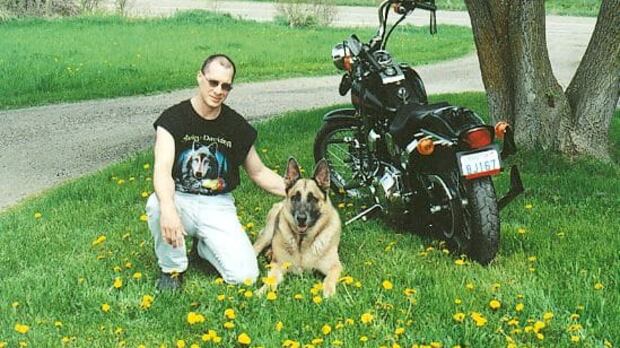
On weekends, Ken Rekowski takes a ride down Highway 138 to his mom’s farmhouse, enjoying barbecues in the summer and TV and games during winter.
By evening, though, he’s back in his bed at the Renfrew Victoria Hospital.
This has been his routine since January 2009, when a car accident left the former security guard severely disabled.
Rekowski now finds himself among many patients in Ontario with traumatic brain injuries who are unable to secure a spot in a specialized residential facility that can cater to their complex care needs.
“When they added his name to the waitlist, they told us that it would be a lifetime [wait],” said his twin sister Kareen, who visits often and helps fund a personal support worker to keep her brother engaged.
“They mentioned there are far too few beds available and way too many people ahead of him on the waitlist.”
Even if the 48-year-old were to finally get a bed, there’s another hurdle. Unless something changes, it would be far from the small town where he grew up – highlighting an urban-rural gap in Ontario’s health care system that advocates for brain injury patients say needs attention.
Ken Rekowski sits on his Harley Davidson, one of several motorcycles he owned before his brain injury made riding impossible. (Submitted by Kareen Rekowski)
 ‘Lifetime wait’ for long-term care surprises patient’s family
Kareen Rekowski describes what it felt like learning there was no room for her brother in any residential facility while Ken has resided at Renfrew Victoria Hospital since January 2009.
‘Lifetime wait’ for long-term care surprises patient’s family
Kareen Rekowski describes what it felt like learning there was no room for her brother in any residential facility while Ken has resided at Renfrew Victoria Hospital since January 2009.
If they return home but lack similar assistance as previously received , numerous gains achieved through therapy may regress.- Ruth Wilcock , Ontario Brain Injury Association Additionally , moving elsewhere isn’t easy due either job situations-Kareen runs an accounting firm nearby-or emotional ties within one’s hometown community. This emphasizes why more residential options should exist throughout small communities , Wilcock insisted although she recognized current funding simply doesn’t allow this possibility right now. “We sort-of patch them up temporarily provide some rehab then send them back where unfortunately these supports are lacking,” explained Wilcock. “If they return without access same resources gained earlier tend devolve quickly.”![]() Kareen assists Ken getting situated back into his wheelchair while they transition from Renfrew Victoria Hospital towards Tim Hortons close by. His brain injury results greatly restricted movement mainly impacting right side body functionality. (Trevor Pritchard/CBC)
Kareen assists Ken getting situated back into his wheelchair while they transition from Renfrew Victoria Hospital towards Tim Hortons close by. His brain injury results greatly restricted movement mainly impacting right side body functionality. (Trevor Pritchard/CBC)
![]() Kareen Ken enjoy coffee together outside local Tim Hortons location allowing chances interact community not merely perceived hospital patient.(Trevor Pritchard/CBC)
Kareen Ken enjoy coffee together outside local Tim Hortons location allowing chances interact community not merely perceived hospital patient.(Trevor Pritchard/CBC)
Told to prepare for funeral
The night of the crash, Rekowski was heading to work just outside Renfrew. The road conditions were poor, causing him to lose control of his car. At first, doctors believed Rekowski’s injuries were so serious that he wouldn’t make it. His family was told to start planning a funeral. Although he did survive, the accident left him with severe physical and cognitive challenges. He struggles with forming new memories and is often confused about what year it is or how long he’s been hospitalized. He also suffers from a “right-side deficit,” which limits mobility in his right leg and nearly eliminates movement in his right arm. A wheelchair is essential for him to move around. Despite having trouble articulating words, he managed to share some thoughts with a CBC reporter about things he enjoys-like motorcycles which have been a lifelong passion for him. On one hand, Rekowski’s situation resembles that of Shawn Hill from Ottawa who faced significant delays seeking proper care after suffering skull fractures during summer 2018. Soon after Hill’s family spoke with regarding their situation, he was offered accommodation at a long-term care home. While both families still hope for openings at residential facilities designed specifically for brain injury patients, Rekowski remains in the hospital each day. ‘Lifetime wait’ for long-term care surprises patient’s family
Kareen Rekowski describes what it felt like learning there was no room for her brother in any residential facility while Ken has resided at Renfrew Victoria Hospital since January 2009.
‘Lifetime wait’ for long-term care surprises patient’s family
Kareen Rekowski describes what it felt like learning there was no room for her brother in any residential facility while Ken has resided at Renfrew Victoria Hospital since January 2009.
‘The need is significant’
If Rekowski were eventually placed somewhere else, he’d be roughly 100 kilometers away from both family and familiar surroundings back home in Renfrew-after all , the closest specialized facilities are located in Ottawa. “We understand that rural communities face great need,” stated Ruth Wilcock , executive director of the Ontario Brain Injury Association. Brain injury patients typically receive top-notch initial treatment at major urban hospitals according to Wilcock; however maintaining that level upon returning home can prove challenging without adequate resources available locally.If they return home but lack similar assistance as previously received , numerous gains achieved through therapy may regress.- Ruth Wilcock , Ontario Brain Injury Association Additionally , moving elsewhere isn’t easy due either job situations-Kareen runs an accounting firm nearby-or emotional ties within one’s hometown community. This emphasizes why more residential options should exist throughout small communities , Wilcock insisted although she recognized current funding simply doesn’t allow this possibility right now. “We sort-of patch them up temporarily provide some rehab then send them back where unfortunately these supports are lacking,” explained Wilcock. “If they return without access same resources gained earlier tend devolve quickly.”
‘A break from hospital life’
According David Jensen spokesperson within Ministry Health Ontarion Province plans allocate $86 million toward services designated specifically people acquired cerebral traumas over two years-portion allocated targeting “remote underserved regions”. Furthermore province provides incentives physicians willing establish practices smaller towns offers opportunities students practice rural areas reimbursements employers under serviced locations hiring nurses Jensen elaborated However Jensen acknowledged current expansion number homes providing needed residence remains absentAs far as Ken goes briefly shifted environments once ; three months spent receiving specialist observation Hamilton resulted finding determined unnecessary occupy hospital space Kareen recounted difficult period running business hotel room meanwhile brother isolated friends family back home Renfew🏠 🚗Now days she mother Irene aim take advantage outings possible : leisurely walks along Bonnechere River classic Saturday car shows burger joint workout sessions gym couple times weekly.Their frequent visits include stops at nearby Tim Hortons where familiar faces come over greet-they call those moments “our escape from being confined inside hospitals.” Meanwhile while waiting upon future prospects surrounding potential housing solutions have joined efforts alongside Pathways Independence an Ontario non-profit devoted aiding individuals living traumatic head injuries working funding opportunity potentially establishing residence local area someday soon The group submitted proposal recently awaiting feedback updates regarding plans ahead Kareen highlighted necessity addressing issue saying “It’s truly vital since Ken has now spent over ten years residing here; clearly not ideal environment anyone live indefinitely.”Kareen continues supporting brother providing necessary assistance caregiving tasks post-accident occurred near town almost decade ago. (Trevor Pritchard/CBC)
Source link