



Ottawa Construction News staff writer
Two important committees in the City of Ottawa have approved a significant update to the city’s 10-Year Housing and Homelessness Plan, shifting towards a more adaptable, income-based approach to address the ongoing housing issues.
During a joint meeting on Tuesday (March 24), both the Planning and Housing Committee and the Community Services Committee backed the revised plan, which will guide housing stability efforts through 2030. This updated plan is set for a full City Council vote on April 8.
A change in direction
The biggest policy change in this updated plan is the introduction of an income-based definition of housing affordability. Instead of relying on traditional market rent standards linked to unit size, affordability will now be defined based on household income.
City officials believe this new method recognizes that real affordability depends on what residents can actually afford, not just a percentage of varying market prices. This adjustment aims to help the city better understand what types of affordable homes are needed for different communities.
Shifting to yearly workplans
Moving away from fixed long-term planning cycles, the city will now implement annual workplans. This modification allows local government to react more quickly to emerging challenges like unexpected changes in the housing market or shifts in provincial and federal funding.
If approved by Council, staff will collaborate with the Housing and Homelessness Leadership Table (HHLT) to create the first annual workplan later this year. Key priorities for this initial cycle include:
Ending youth homelessness: Developing a targeted strategy to eliminate youth homelessness by 2030. Shelter modernization: Revamping family shelter and transitional housing systems to speed up transitions into permanent housing. Coordinated outreach: Providing consistent support for unsheltered residents through an improved outreach model. Indigenous-led initiatives: Enhancing support for programs created by Indigenous partners.
Progress in construction and investment
This refresh comes at a milestone five years into the original 2020-2030 plan. Since its last update, Ottawa reports that nearly $1 billion from municipal, provincial, and federal sources has been invested into housing initiatives.
Citing city data, these funds have led to:
The creation of 554 new affordable homes and 329 supportive residences. The addition of 700 new transitional housing spaces. The preservation of over 25,000 community housing units. Providing 3,279 new rental benefits for low-income families.
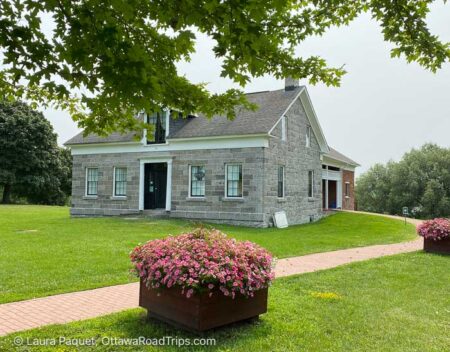
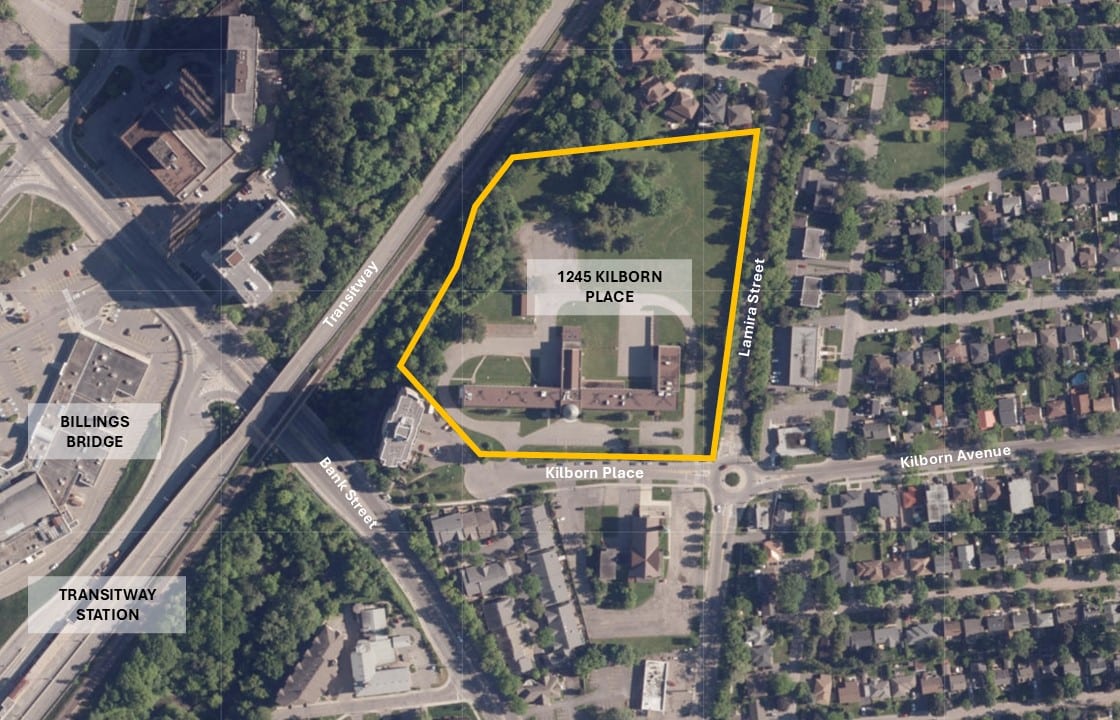
The city has also recently acquired new sites for future development, including property at 1245 Kilborn Place.
Collaboration across sectors
The updated plan was developed alongside HHLT, an 18-member working group that represents various sectors such as youth services, justice support, newcomer assistance, and gender-based violence prevention. Important partners included the Ottawa Aboriginal Coalition, Alliance to End Homelessness Ottawa, Ottawa Community Housing, and Ottawa Social Housing Network.
“This collaboration has ensured it reflects real-world expertise from across the housing and homelessness system,” stated the city in its announcement. The plan was further shaped by insights from the 2024 Housing Needs Assessment and recent Point-in-Time counts.
Looking forward, the city plans to revise its Housing Services Long Range Financial Plan during the next term of Council so that long-term investments align with these updated objectives.
Source link
Source link