


Even with ongoing uncertainties in trade, the Ontario government has rolled out a budget aimed at boosting the province’s growth.
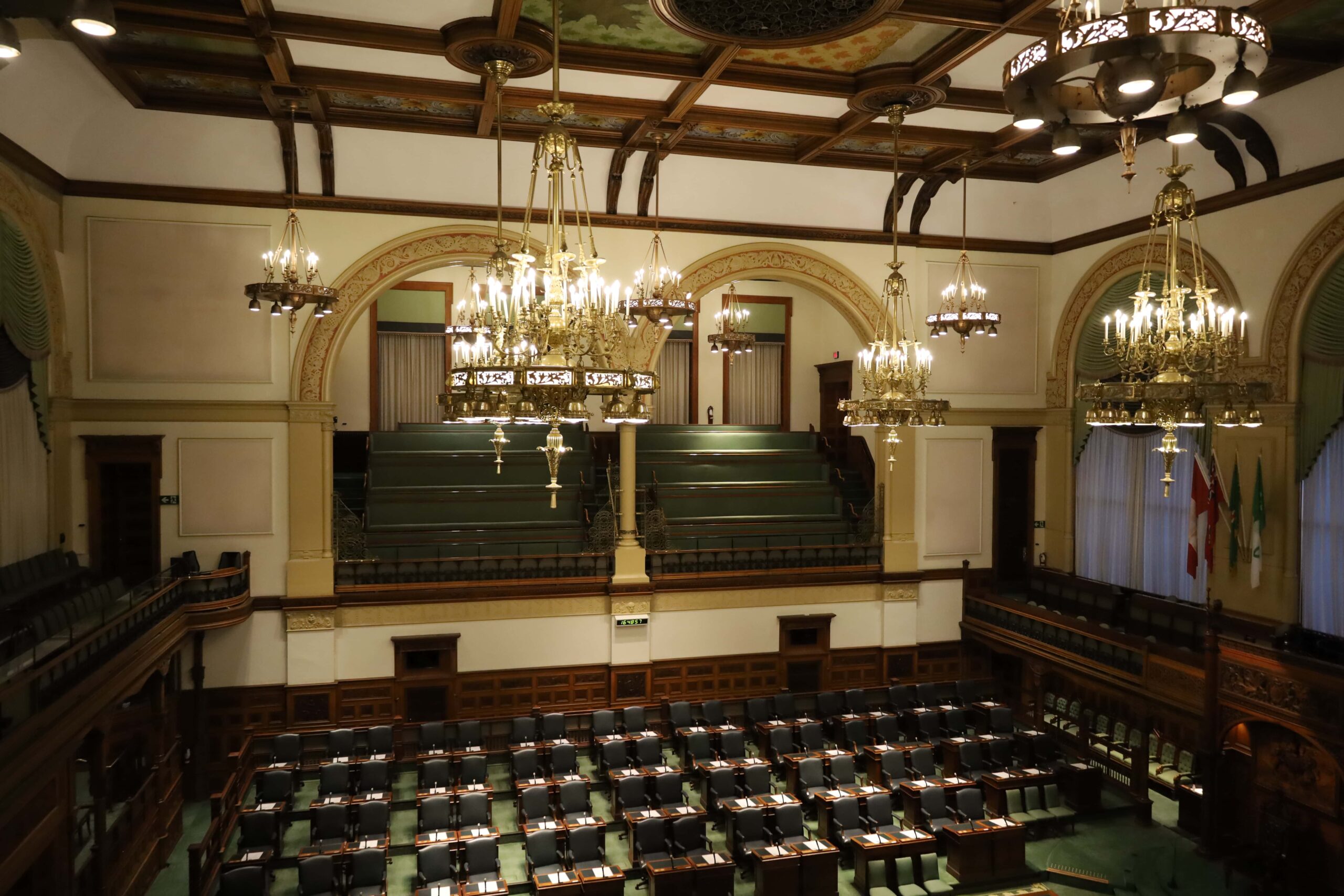
Finance Minister Peter Bethlenfalvy revealed the draft 2026 budget at Queens Park on Thursday afternoon, sticking to the Ford government’s theme of “Protect Ontario”.
In his speech, Bethlenfalvy pointed out that the province’s credit rating has improved by two levels, showing financial responsibility. However, he did mention that harder choices might need to be made.
“While our province has been meeting these challenges head-on, we need to recognize that Ontario does not operate in isolation,” said Bethlenfalvy. “On the contrary, we’re part of a vast network of global trade that until now, has created certainty and growth for generations of workers, families, and businesses in this province and around the world.. the world has changed, and we must change with it.”
To help small businesses and manufacturers affected by tariffs, the draft budget proposes lowering the small business corporate income tax rate from 3.2 percent to 2.2 percent starting July 1.
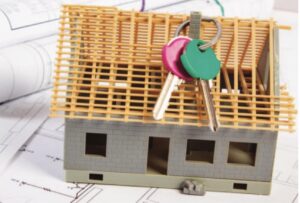
As announced on Wednesday, all home buyers in Ontario will qualify for a rebate as the 13 percent HST is eliminated for homes valued up to $1 million.
Other key highlights from the budget include:
Creating the Protect Ontario Account Investment Fund, which will hold up to $4 billion to attract investments from pension funds and other private capital.
Increasing Ontario’s four-year investment in the Primary Care Action Plan to $3.4 billion from 2025 to 2029 as efforts continue to connect every resident with a family doctor.
Pumping up funding in the Ontario Autism Fund to $1 billion annually.
$37 billion allocated for capital projects for 2026-2027 aimed at building roads, highways, hospitals, and other infrastructure.
The projected deficit for 2025-2026 stands at $12.3 billion without cutting services or raising taxes. However, this deficit is expected to rise in 2026-2027 to $13.8 billion.
New estimates indicate that Ontario will have a $6.1 million deficit for 2027-2028 before shifting back into surplus in the following fiscal year.
The Official Opposition in Ontario has responded critically to this budget. NDP Leader Marit Stiles gave it an “F”.
“Young people and families are struggling with sky-high rents, fewer opportunities, and soaring costs,” said Stiles. “Budget 2026 was an opportunity to deliver hope and relief for our province during a difficult moment.”
Shadow Finance Minister Jessica Bell said this budget doesn’t meet expectations.
“Premier Ford had a clear test for this budget: lower costs, fix health care and education, build homes that folks can afford, and create good jobs. He failed on all counts,” said Bell. “This budget delivers cuts where Ontarians need support the most.”
Ontario’s education unions have also spoken up about their concerns regarding classroom conditions under Ford’s government.
“Chronic underfunding has led to large classes , rising violence , and an urgent needto address teacherand education worker retentionand recruitment,” read ajoint statement signed bythe presidents ofallof Ontario’s majoreducationunions.”Studentswithspecial educationneedswaityearsfor assessmentsandsupports , whileourmembersstretch themselvesbeyondreasonablelimits tomeet increasinglycomplexneedswithoutthe resources required. These arenotsigns of ‘historic’ investment , butthepredictable outcomesoflong-term neglect.”
Source link
Source link