



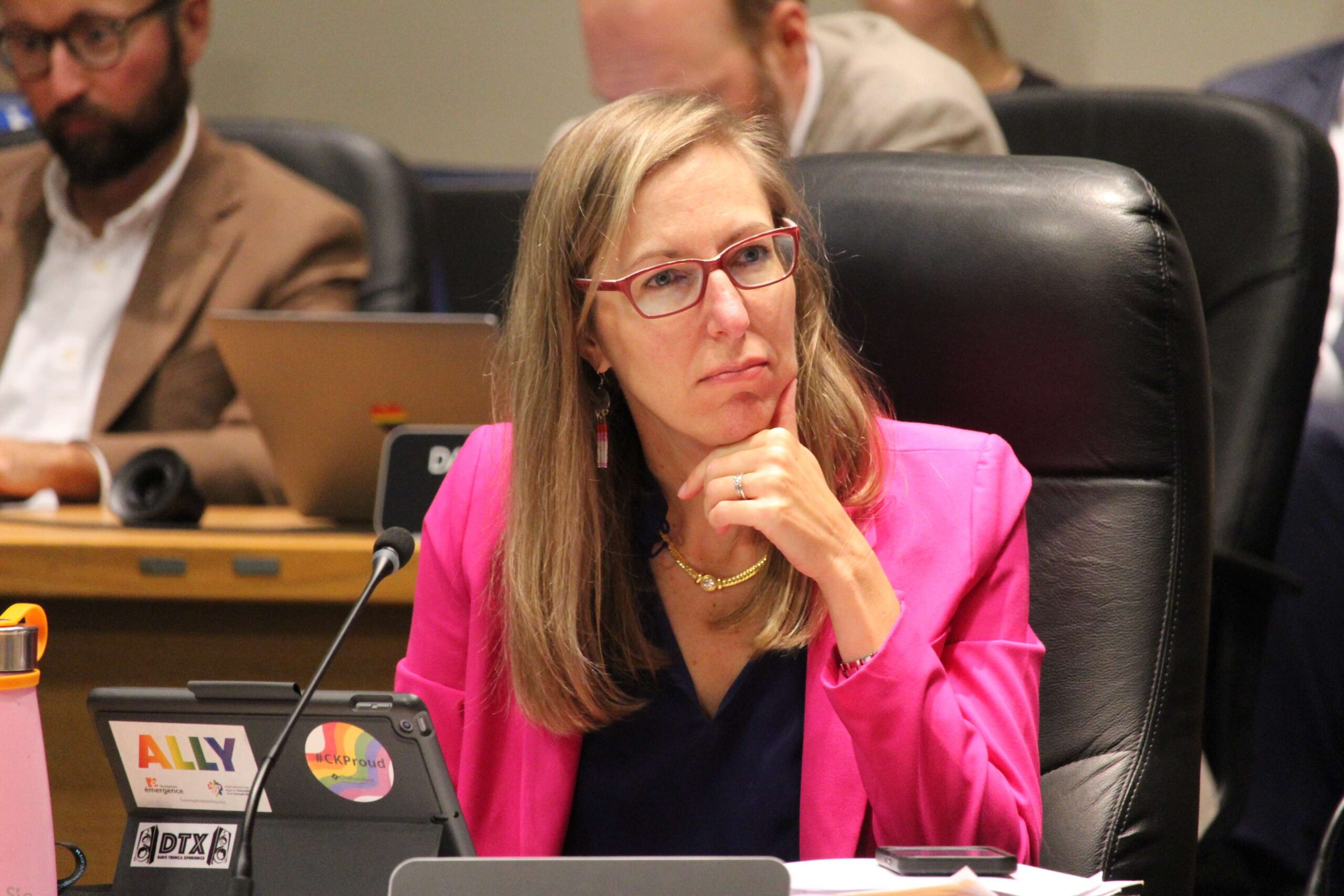
As municipal leaders from across Ontario come together for the Rural Ontario Municipal Association (ROMA) Conference this week, Chatham-Kent (CK) Councillor Alysson Storey plans to take this chance to advocate for increased provincial and federal backing on issues related to infrastructure, housing, health care, and municipal governance.
A major topic Storey intends to address is the municipality’s outdated water and wastewater infrastructure.
According to municipal officials, CK faces nearly $2 billion in infrastructure needs over the next ten years, with a large portion related to water and wastewater systems.
Unlike many municipalities that manage a single treatment facility, CK oversees several water and wastewater plants. Storey mentions that this adds extra financial strain and highlights the necessity of support from provincial and federal levels.
She also points out that funding for infrastructure is closely connected to the province’s housing objectives.
While the municipality aims to contribute towards solving Ontario’s housing shortage, she emphasized that new homes can’t be built without adequate water and wastewater capacity available.
During the conference, the CK councillor is set to participate in a delegation with Minister Rob Flack regarding the Municipal Act and integrity complaint process on her own.
Storey states she will express concerns about Ontario’s existing integrity commissioner system. Alongside councillors from other regions, they are scheduled to meet with Minister Rob Flack to discuss what she describes as weaknesses in the effectiveness, fairness, and transparency of the current enforcement model for integrity complaints.
The councillor is pushing for specific amendments to the Municipal Act that would limit an integrity commissioner’s power to suspend an elected official’s pay. They believe that the present system leans too much on punitive actions rather than focusing on corrective, restorative, and educational methods.
According to her, the possibility of pay suspension can deter open discussions at council meetings, especially among new councillors or under-represented groups who might hold minority opinions. This issue has been publicly addressed in recent years by various municipal associations like the Association of Municipalities of Ontario and the Association of Municipal Clerks and Treasurers of Ontario.
Storey has personally gone through the integrity complaint process herself. She believes stronger accountability can be achieved without putting elected officials’ financial security at risk since a healthy municipal democracy relies on diverse voices being able to engage freely.
Alongside her colleagues from Chatham-Kent-councillors Amy Finn, Jamie Mc Grail, Carmen Mc Gregor-and municipal staff members Dave Taylor, Audrey Ansell, Scott Sparling-they will also meet with representatives from the Ministry of Municipal Affairs and Housing as well as those from Environment Conservation Parks and Ontario Medical Association. Their planned discussions will focus on brownfield redevelopment initiatives along with housing matters and health care access.
Once a manufacturing center, Chatham-Kent has several well-located former industrial sites fully serviced that could be redeveloped for residential use. Storey explains these locations need environmental cleanup which can be expensive; she adds provincial help with remediation would speed up housing projects while utilizing existing infrastructure more effectively.
The accessibility of health care is expected to be another significant topic during their discussions. Councillors plan to raise concerns regarding insufficient primary care providers in Chatham-Kent while discussing how they are aligning local efforts with provincial priorities through preventive care initiatives such as community paramedicine programs alongside public health engagement efforts.
The ROMA Conference runs from Sunday through Tuesday afternoon.
Source link
Source link


