





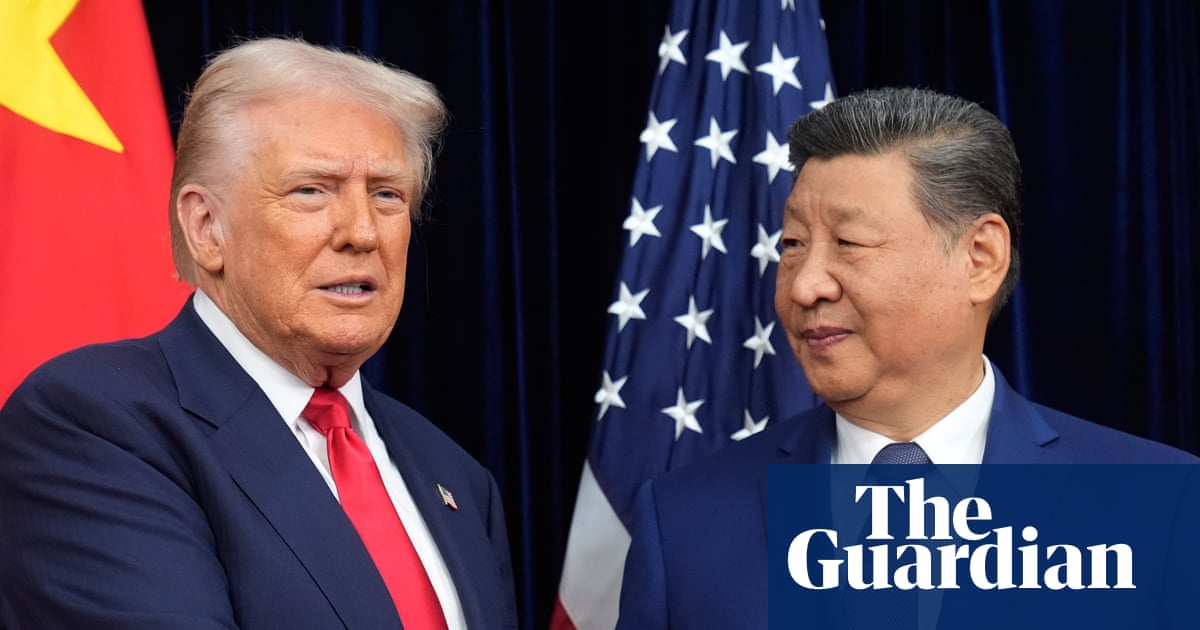
On Wednesday, the White House announced that China has agreed to delay Donald Trump’s trip to Beijing as the conflict in the Middle East continues, adding challenges for the US president both domestically and internationally.
China hasn’t yet commented on this postponement of the eagerly awaited visit, where Trump and Chinese President Xi Jinping are set to meet face-to-face for the first time since October. Trump had previously expressed a desire to push back the trip, which was originally planned from March 31 to April 2, by “five or six weeks.”
This delay highlights how much the conflict with Iran is impacting geopolitics beyond just the Middle East. Beijing is closely monitoring how this situation will affect US-China relations and upcoming midterm elections in November.
A US president eager for electoral success may be a more flexible counterpart during negotiations. However, Trump’s unpredictability adds complexity to China’s strategy.
The meeting between Trump and Xi, now likely scheduled for May, was expected to address the next steps in the ongoing trade war between the US and China, which has been under a temporary ceasefire since October. The tensions surrounding Trump’s military actions against a China-friendly nation in the Middle East might now become part of their discussions.
The US-Israeli war against Iran, which has friendly relations with China, is now likely to be on the agenda when the summit is scheduled. Photograph: Pacific Press/Light Rocket/Getty Images
The unexpected delay might come as a relief for Beijing since they never officially confirmed when this meeting would occur. Recently, reports suggested that Chinese officials were quite frustrated over what they perceived as poor planning by the US for an event that they anticipated would be highly organized.
Additionally, this could increase pressure on Trump to negotiate effectively during his eventual trip to Beijing as ongoing conflicts with Iran continue driving oil prices up.
An NBC News poll revealed that over half of registered voters in America disapprove of military strikes on Iran; this includes more than one-third of non-Maga Republicans.
Neil Thomas from Asia Society Policy Institute stated: “Beijing can reasonably assume that Trump wants to avoid a fresh inflation spike heading into the midterms, which gives China some leverage in trade talks.”
However, Thomas also noted that “that leverage has limits … Trump’s war with Iran shows that he is willing to accept economic costs when he believes other strategic or political priorities matter more.”
Both countries have vested interests in preventing last year’s trade war from escalating further into 2026.
Graph showing oil prices.
China’s economy is heavily reliant on exports-this trend seems steady as Chinese exports rose by 22% during January and February.
While economic repercussions appeared limited last year in America, economists predict worsening effects like inflation and increasing unemployment will emerge soon if Washington and Beijing can’t find common ground regarding high reciprocal tariffs.
Adding major energy price hikes due to tensions in Iran means Trump could head into November’s midterms facing an unhappy electorate.
Amanda Hsiao from Eurasia Group mentioned: “There is a view [in Beijing] that ahead of the midterms Trump may be more motivated to secure economic deals with China as this will help boost his message of economic affordability to voters.”
Beijing knows how to apply pressure effectively. Right after Trump initiated his trade war against China last April, Chinese purchases of American soybeans-an important agricultural export from regions that generally support Trump-plummeted. They only resumed after an agreement was reached last October.
This tactic isn’t new. In 2018’s midterms held during another US-China trade dispute, areas most affected by retaliatory measures saw Republican vote shares decrease significantly leading them ultimately losing control of Congress that year.
Chinese purchases of US soya beans evaporated last year after Trump launched a trade war against Beijing. Photograph: Jim Vondruska/Reuters
One study estimated retaliation from China cost Republicans four seats. With just four seats needed for majority control in 2026 elections it’s easy envisioning similar losses for Trump then.
Yet if Trump’s power wanes it might not be advantageous for Beijing either. Hsiao observed: “There are also questions among Chinese observers as to what happens after the midterms and whether a weakened Trump will harden his posture toward China.”
A defeat could energize Republican party members who take a tough stance on China; these individuals have largely been sidelined over recent months while Trump’s administration softened its approach towards Beijing despite threats of hefty tariffs-they’ve even approved exporting advanced semiconductors there while delaying weapon sales intended for Taiwan-key points for China’s interests.
Yun Sun from Stimson Center remarked:“Overall, China has seen second term expectations favorably regarding U. S.-China relations. If Trump’s influence diminishes it could revive hawkish perspectives concerning China again; essentially pushing Chinese interests toward wanting him retained which might lead them supporting his domestic agendas even more.”
The mixed pressures make it difficult understanding precisely how Beijing views upcoming elections but many experts there anticipate negative results for Republicans overall according Wang Wen at Renmin University stating bluntly about Trump’s presidency being “truly dismal”.
Additional research by Yu-Chen Li
Source link
Source link