



First Nations are raising concerns about Ontario’s proposed changes to freedom-of-information (FOI) laws, claiming it could limit Indigenous communities’ access to important information.
If this legislation passes in the Legislature, records from the premier, cabinet ministers, parliamentary assistants, and their offices would no longer fall under FOI laws. This means that people wouldn’t be able to access them through FOI requests.
On Monday, the Association of Iroquois and Allied Indians (AIAI), representing about 20,000 First Nations citizens across Ontario, released a statement opposing this change.
The decisions made by the province impact First Nations’ rights, lands, and environments. FOI requests provide one of the few ways for First Nations and the public to understand how those decisions are made,” they stated.
“Having access to this information, particularly if it’s a decision made by the premier or other cabinet ministers, or just understanding how those decisions came to be, is just part of good governance,” said Stacia Loft, AIAI’s deputy grand chief and a member of the Mohawks of the Bay of Quinte.
“If First Nations don’t see that good governance is happening, that just exacerbates that issue of trust.”
Economic initiatives happening across Ontario – such as projects in the mineral-rich Ring of Fire area in northern Ontario and a planned high-speed rail connection between Toronto and Ottawa – could significantly affect First Nation communities. Loft also highlighted concerns related to the Green Belt scandal.
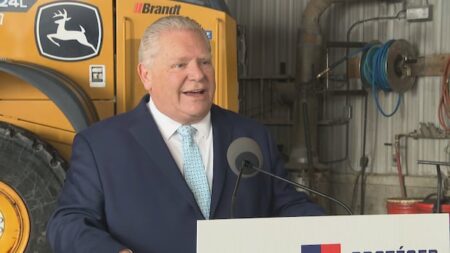
The details regarding any decision affecting Indigenous rights or treaty rights must be available and accessible,” she said.![]() Ontario Premier Doug Ford, shown at an announcement in Brockville on Monday, has defended the proposed change to freedom-of-information laws. (CBC)
Ontario Premier Doug Ford, shown at an announcement in Brockville on Monday, has defended the proposed change to freedom-of-information laws. (CBC)
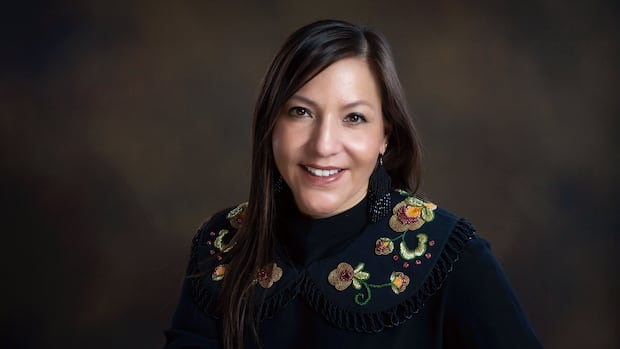
![]() Toronto-based lawyer Jessica Orkin says there’s a ‘relationship deficit’ between many Indigenous people and the government. (Lorenda Reddekopp/CBC)
Toronto-based lawyer Jessica Orkin says there’s a ‘relationship deficit’ between many Indigenous people and the government. (Lorenda Reddekopp/CBC)
Why Ford’s defending the FOI move
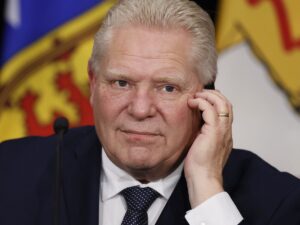
This Tuesday, Premier Doug Ford defended these proposed changes by labeling current legislation as “antiquated” and claimed that Ontario’s FOI laws need alignment with those in other provinces as well as federal regulations.
He emphasized his desire for personal information-such as calls and messages from constituents-to remain confidential. However, Jessica Orkin-a lawyer based in Toronto specializing in Aboriginal law and access-to-information-pointed out that there are already exemptions for personal information not related to government business. “Really, what we see here is an attempt to not have to answer other requests that aren’t already covered by those exemptions,” she noted. “I think we know that what isn’t going to be disclosed now are things politicians-and especially ministers-most want hidden.” A “relationship deficit” exists between many Indigenous people and government officials which complicates understanding governmental decisions. For her clients, FOI requests provide valuable insights into these matters,” Orkin stated.