





After a week of media chatter about the weakening Anglo-American relationship and the delayed choice to send Royal Navy destroyer HMS Dragon to Cyprus, it was time to shift the discussion.
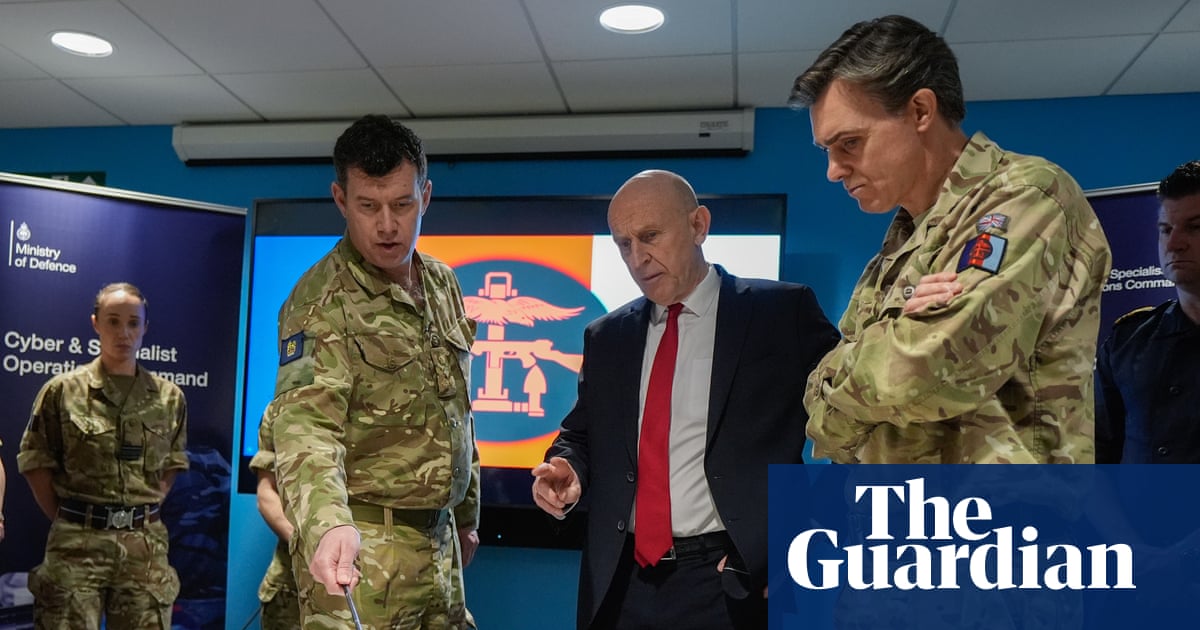
During a visit to the UK’s permanent military headquarters in Northwood, north-west London, Defence Secretary John Healey asked two senior British military officers if there were “any sign of a link between Russia and Iran” in the vast conflict that has suddenly engulfed the Middle East.
It was clear Healey expected a certain answer. The night before, news broke that an unspecified number of drones had targeted a coalition base used by British and other anti-Islamic State forces in Erbil, northern Iraq. While there are no reports of serious injuries, it marked a relatively rare strike on a western target.
The fact that the drones got through was seen as evidence of increased tactical expertise – knowledge shared from Russia to Iran and its allies. Lt Gen Nick Perry, chief of joint operations, admitted that these more effective tactics had “proven problematic” as the war entered a new stage.
Iran hasn’t collapsed quickly; instead, it’s showing signs of wanting to endure and resist despite heavy bombardment from the US and Israel. Nevertheless, launch rates for Iran’s feared ballistic missiles have dropped by over 90% since late last month: six were fired at the UAE on Wednesday compared to 137 when the war began.
Consequently, Tehran and its regional allies are turning toward Shahed 136 and other drones in their attempts to inflict economic and military harm on the US and its partners. Although drone launches have decreased overall, with 39 fired at the UAE on Wednesday – where data is clearly – they still pose a significant threat.
The Shahed 136, recognized by its unique delta wing design and loud engine noise, was developed by Iran at the start of this decade before being sold to Russia. Russia needed new weapons after initial efforts to conquer Ukraine fell short. In 2025 alone, Russia launched around 50,000 missiles at Ukraine while continuously refining their usage strategies.
However, there are still limits to how much help Russia is willing to give Iran since Vladimir Putin seeks Donald Trump’s assistance in compelling Ukraine into making peace on his terms. But it’s not surprising that some piloting advice seems to have been exchanged. Reports from the US suggest that Russia is sharing targeting information with Iran; however, unsurprisingly Putin told Trump on Monday that this claim was false.
By actively connecting Iran with Russia, Healey ties together both conflicts-the war in Ukraine with events in the Middle East. Support for Ukraine’s fight against Moscow remains fairly strong in Britain-unlike sentiments regarding involvement against Iran which are so unpopular that even Trump ally Nigel Farage recently stated he opposes getting involved.
This also gives Healey another topic for discussion. Criticism regarding delays in deploying a Royal Navy ship to eastern Mediterranean prior to US and Israeli actions has led some like Sir Rich Knighton, chief of defence staff, facing blame: there may be “a fatal collapse” of confidence in him at No 10 according to this week’s Spectator report.
In truth, sending HMS Dragon late is diplomatically awkward but hasn’t yet proven militarily critical. Still, Healey faced questions about whether he trusts head of armed forces-a man appointed by Keir Starmer just last June. “I have total confidence,” Healey responded-an answer nobody wants left as a final takeaway.
One challenge for Healey is that Britain might feel pressured into deeper military engagement moving forward-perhaps protecting merchant ships in Hormuz Strait or responding unexpectedly if tensions escalate with Iran. Yet right now arguing-for decades British politicians have-that more action is needed solely for aiding America isn’t likely convincing enough on its own.
The notion of covert Russian-Iranian cooperation could also be something Britain wants emphasized within White House circles but advancing this concept will be tricky given current relations’ deterioration; Trump happily dismisses Starmer as “not Winston Churchill”, making it tough for British leaders’ voices carry weight.
Regardless after Putin told Trump about Russian non-involvement assisting Iran; Steve Witkoff-Trump’s special envoy remarked: “We can take them at their word.”
Source link
Source link