




Badly impacted by U. S. tariffs since the spring of 2025, the Canadian automotive sector has just gained significant support.
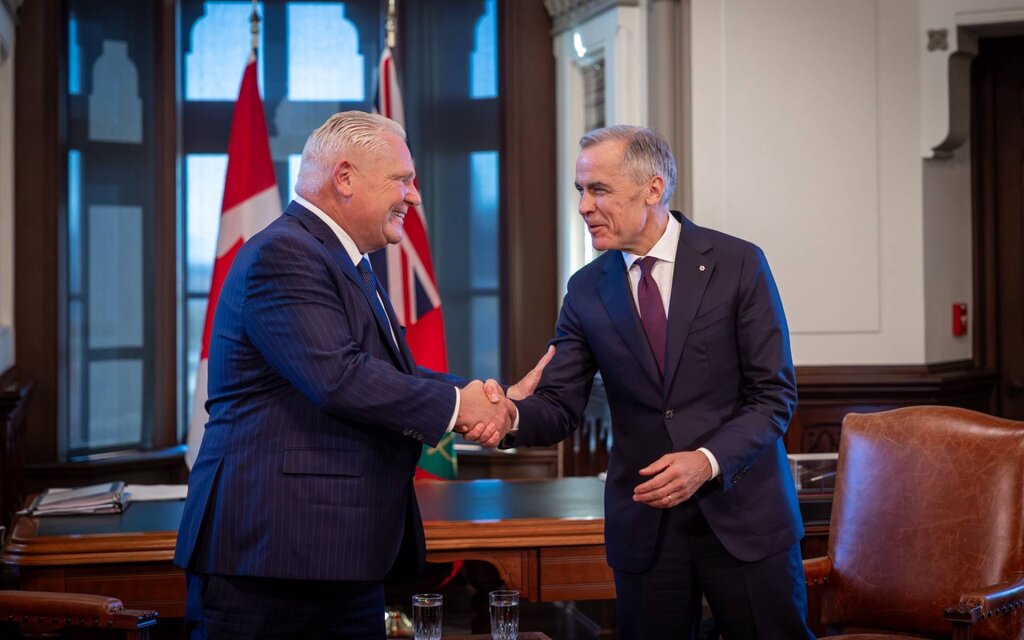
As part of an $8.7 billion initiative that includes various new efforts aimed at bolstering key industries (auto, steel, critical minerals) and assisting businesses, the federal government will put in up to an extra $1.5 billion over two years for large-scale automotive capital projects. The Ontario government will chip in up to $1 billion.
Read also
“This will help automotive companies adapt to changing economic conditions, build a more competitive industry and maintain good jobs across the supply chain, creating a strong foundation for long-term success in manufacturing the connected and electrified vehicles (EVs) of the future,” Ottawa said in a statement.
Photo: Louis-Philippe Dubé
This funding adds to existing supports announced in February 2026 through Canada’s new auto strategy, which included bringing back incentives for buying zero-emission vehicles (ZEV).
It also marked the end of ZEV mandates, replaced by stricter regulations aimed at reducing greenhouse gas emissions (GHG).
Basically, the fleet average performance standard in Canada’s light-duty vehicle GHG regulations will be kept at 2026 levels (172 grams per mile) through 2029. Annual increases will start again in the 2030 model year following Canada’s new goal of achieving 75% EV car sales by 2035 (equivalent to 74 grams per mile).
Keeping the fleet average performance standard will give automakers short-term flexibility as the industry faces trade-related challenges, according to the Carney administration.
Source link