




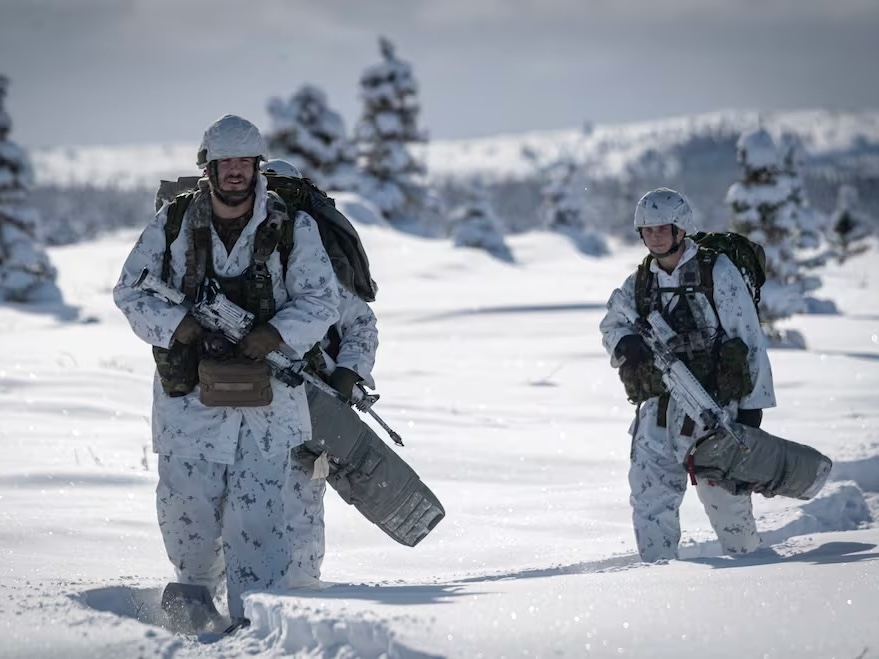
Prime Minister Mark Carney recently disclosed that Canada has plans in place for a possible military attack from the United States, referring to it as an “extreme tail risk” situation that would be careless to overlook.
Announcements, Events & more from Tyee and select partners Preventing Youth Homelessness, One Youth at a Time
At Directions Youth Services, support starts with exploring what we can learn together.
Several prominent political and military figures have indicated that while the threat may be unlikely, it can’t be completely dismissed.
Our research indicates U. S. President Donald Trump’s assertions about Canadian sovereignty are even more serious than these alarming public remarks suggest.
Grey zone attacks, misinformation efforts and covert political meddling pose greater risks to Canada than outright warfare. However, there is more substance behind Carney’s risk assessment than many Canadians realize.
Assessing the Risk
Apart from Trump’s statements, there are concrete geo-strategic reasons why Canada needs to take this “tail risk” seriously.
The Trump administration has frequently threatened the sovereignty of independent nations and violated international law in pursuit of its strategic goals. Conventional checks and balances no longer appear to limit unpredictable American military actions.
In the developing multipolar world order, Canada also fits the profile of high-priority U. S. targets: rich in natural resources and energy; strategically positioned in the Western Hemisphere.
The threats from south of the border are not just rhetoric, and the Canadian government understands this well.
Actually, the Canadian Armed Forces’ new “2nd Division” has been specifically designated for homeland defense. Within this new framework, the Department of National Defence aims to boost reserve forces to 100,000 and create an additional 300,000-person Supplementary Reserve.
This says a lot. There’s no need for 400,000 reservists for homeland defense unless there’s a real threat to our land.
Ottawa has been quiet about its contingency plans concerning this military threat. But without nuclear weapons involved, these tail-risk scenarios realistically fall into two categories: conventional asymmetric war or insurgency.
Conventional Warfare
Conventional warfare involves armed conflict between states using uniformed armed forces under centralized authority. Given the vast power difference, most analysts agree that the U. S. would easily defeat Canada in traditional combat.
However, innovative strategies related to asymmetric warfare present a different perspective.
The case of Ukraine stands out as a prime example. The country has effectively utilized drones, commercial satellites, mobile surface-to-air missiles, electronic warfare techniques and networked intelligence to impose significant costs on Russian forces while making large troop concentrations vulnerable and air operations riskier.
Of course, Ukraine heavily depends on foreign resources and technology transfers to counter Russian advances. Still, its homegrown innovations on the battlefield – particularly in drone technology – serve as an excellent example of modern asymmetric warfare.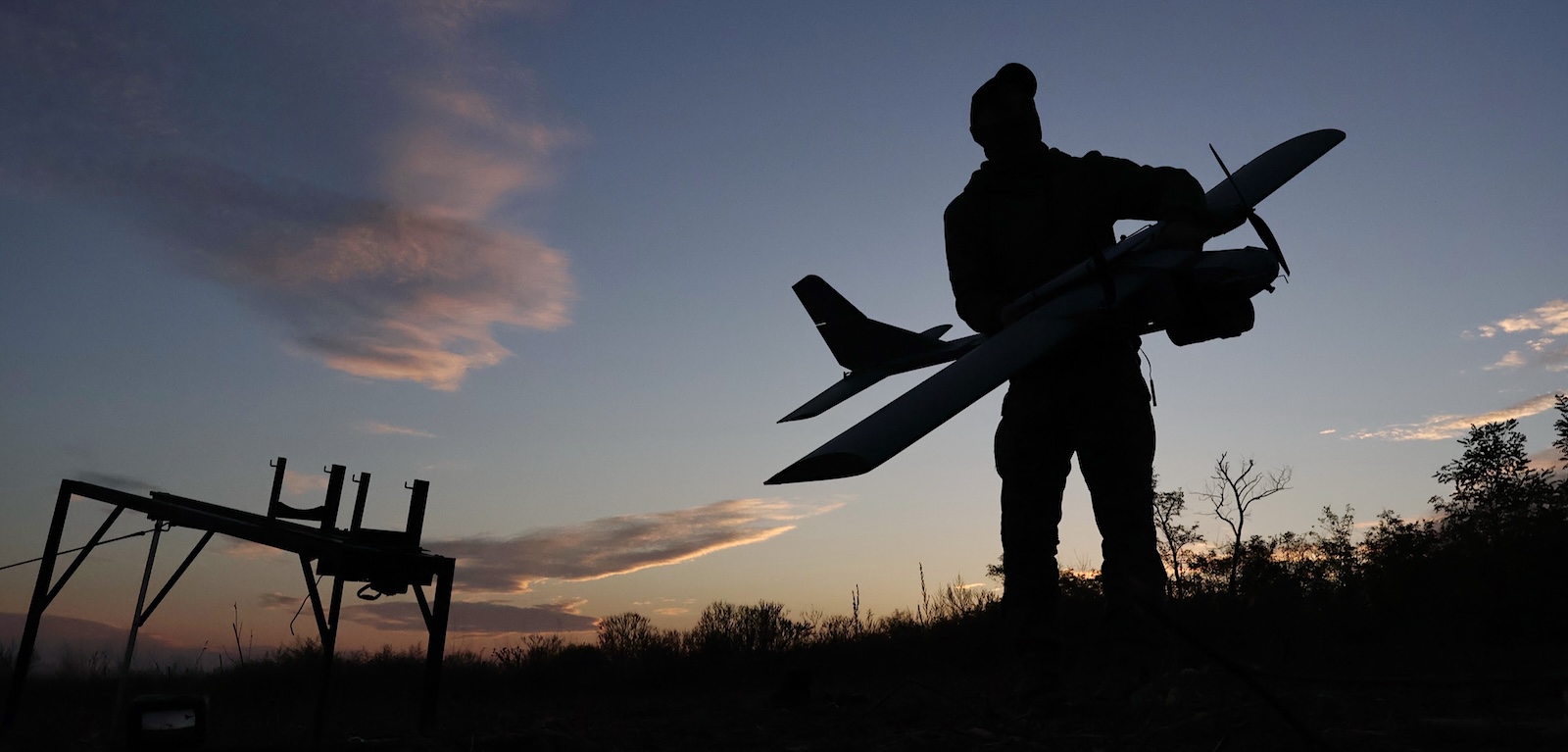 Ukraine’s experience shows that with effective tactics – like those demonstrated by drones shown here from October at Zaporizhzhia’s frontlines – even a smaller force can challenge a superpower. Photo by Andriy Andriyenko/Ukraine’s 65th Mechanized Brigade via the Associated Press.
Iran provides further lessons on this topic. Its strategy revolves around “strategic denial” – making American objectives costly and difficult to achieve. Like Ukraine does too-it employs low-cost equipment which inflicts losses on expensive material assets. Iran uses drone strikes alongside missile attacks overwhelming opponents forcing them into exhausting their critical interceptors while opening paths for precision ballistic strikes aimed at key infrastructures.
Additonally, Iran’s command structure supports modern combat by dispersing conventional units alongside proxy networks which allows them continuity even if leadership or major bases get hit. Their frameworks include solid succession plans ensuring regime stability.
The vast terrain they operate over can be likened to western Europe making Iran an effective stronghold.
Their defense systems are locally produced designed for resilience able withstand initial assaults retaliating thereby escalating political, military economic costs onto adversaries. Additionally , Iran weaponizes geography positioning essential forces deep underground within missile cities.
Iran exercises control over Strait Hormuz aiming disrupt crucial energy supply chains pressuring both US allies economically whilst crippling Gulf economies damaging oil production results threatening vital petrodollar investments.
Both Ukraine & Iran deliver powerful insights regarding asymmetric tactics mid-sized nations should consider when facing invasion risks. They have maintained loyalty among their troops preventing regime breakdowns rendering invasions high-stakes endeavors.
Countries planning defenses against great powers should carefully evaluate these approaches.
Insurgent Warfare P >
Insurgency refers asymmetrical battles where non-state actors employ irregular methods against occupying governments or power structures. This strategy assumes traditional conflicts have faltered leading state capture occurs.
Nevertheless conflicts don’t conclude there.
Should any nation struggle maintaining Ukrainian -Iranian styles defenses alternatives arise involving guerrilla style clashes. Following such scripts local militaries strategically abandon uniforms blending amidst civilians executing covert yet punishing opposition campaigns towards invaders.
This form proves highly efficient matched particularly well suited towards Canada’s immense , rugged unforgiving landscapes.
From Vietnam through Afghanistan history depicts superpowers encounter hurdles grappling successfully resisting insurgent fighting styles resembling contemporary adaptations renders current rebellions nearly unbeatable.
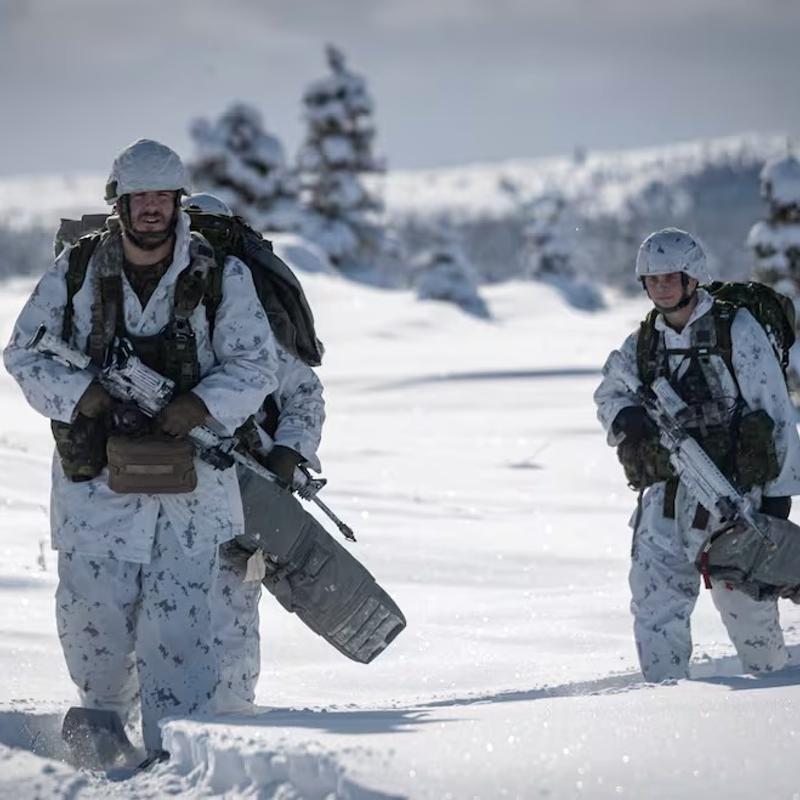
Don’t Test Us, Trump. It Won’t End Well for You read more<
Any mid-sized nation contemplating guerrilla tactics as viable national defenses ought attentively scrutinize emerging insurgent strategies.
A National Discussion
Everyday citizens lack control over numerous high-risk tail-risk situations looming globally. Yet they hold power influencing Canada ’ s response decisions. P >
With Europe possibly nearing major conflict combined with unprecedented domestic challenges , the Canadian military gears up ready address potential dangers ahead. Coming months will reveal federal proposals surrounding mass mobilization initiatives throughout Defense sectors across our nation. P >
However such impactful choices necessitate national dialogue amongst all stakeholders involved. P >
Citizens possess rights obligations scrutinizing difficult inquiries demanding clear responses leaders must provide answers promptly ensuring transparency accountability hence empowering everyone else whose responsibility rests upon Department National Defence whose mandates derive directly driven by citizen input.
Source link