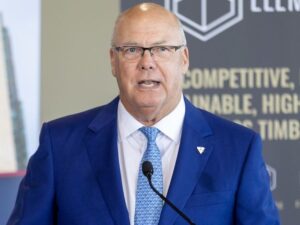
WASHINGTON (AP) – Before he took charge of the extensive Justice Department inquiry into President Donald Trump’s adversaries, Joe di Genova criticized the slow pace of securing indictments.
Five months later, di Genova has stepped down without filing any charges, leaving the future of an investigation that has energized right-wing commentators who want to validate a vague theory of a “deep state” conspiracy aimed at undermining the Republican president.
Despite di Genova’s exit, Justice Department officials are moving ahead with numerous subpoenas aimed at former law enforcement and intelligence personnel. These actions are expected to lead to grand jury testimonies in the coming weeks at a Fort Pierce, Florida court presided over by a favored Trump-appointed federal judge.
However, whether anyone will eventually face charges and what those charges might be remains uncertain. Investigators contend with not just legal challenges and staff changes but also an impatient White House after more than a year marked by ups and downs.
The inquiry commonly referred to as the “grand conspiracy” case exemplifies how the Trump administration has attempted to use law enforcement resources for revenge against perceived enemies. The chaos surrounding this investigation highlights a recurring disconnect between White House calls for quick action and the Justice Department’s capacity to turn Trump’s long list of grievances into actionable legal cases.
Di Genova’s resignation brings new doubts about the probe
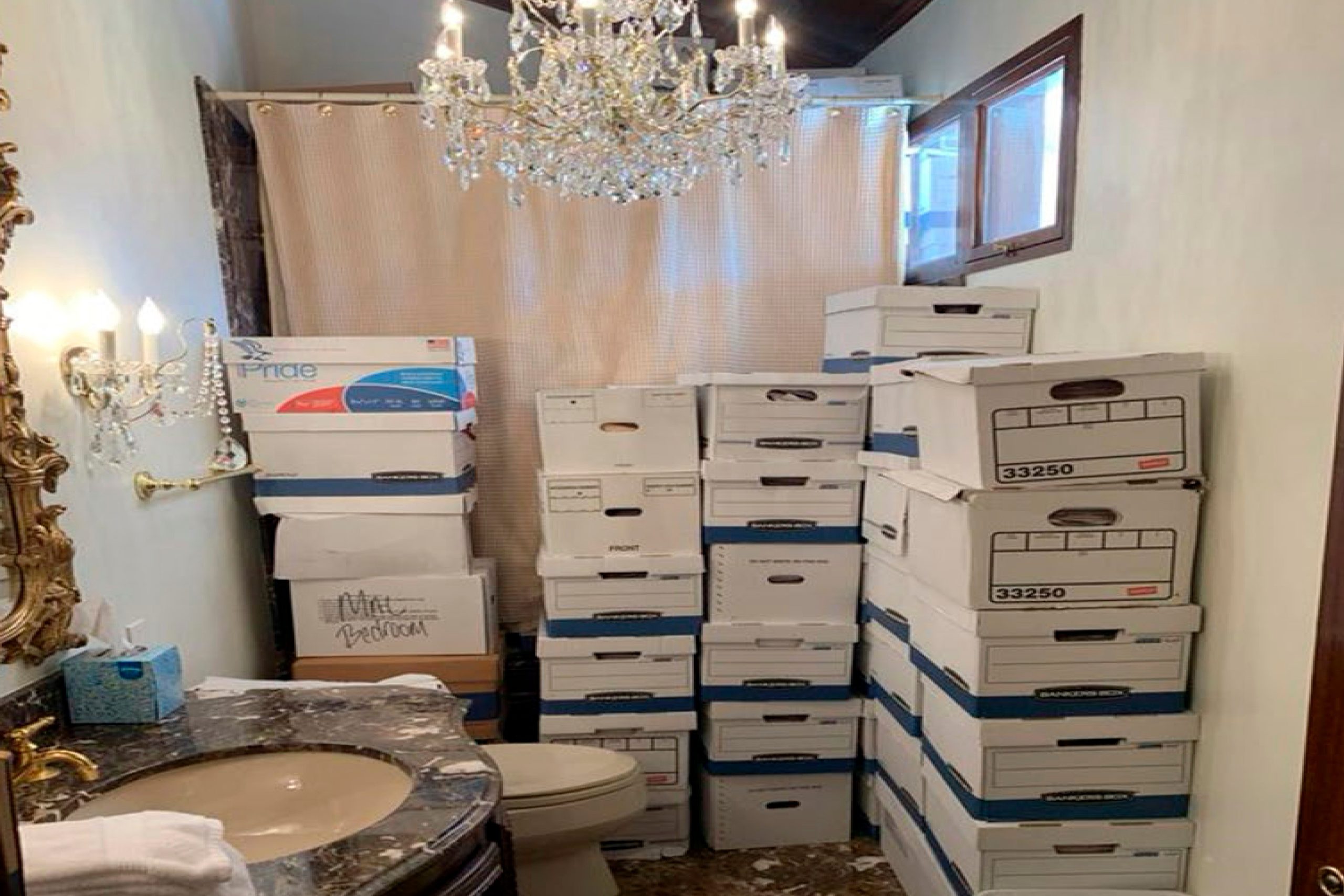
The investigation has always posed significant difficulties, trying to merge various FBI inquiries involving Trump-such as those related to Russian election interference and his keeping of classified documents at Mar-a-Lago-into a unified theory of government conspiracy. Previous attempts to investigate those conducting investigations have not uncovered criminal misconduct that this conspiracy case aims to establish.
“The concept of linking all those separate inquiries into one single conspiracy lacks foundation,” said retired federal prosecutor Randall Eliason. “Moreover, there’s no basis for claiming that any one of them constituted a criminal act against Trump. They’ve all been confirmed or upheld in some form.”
If the task is unusual, so was the choice for its leader.
Di Genova, aged 81, was previously a leading prosecutor during Ronald Reagan’s presidency but had been out of government service for many years. He made headlines in 2020 when he suggested that a cybersecurity official who confirmed the legitimacy of Biden’s election should be “drawn and quartered.” Di Genova later apologized following litigation against him.
A well-known supporter of the notion that Trump fell victim to a “deep state” scheme, di Genova was appointed in April right after Trump dismissed Pam Bondi as attorney general due to her difficulties prosecuting his opponents.
This appointment was celebrated by Trump allies who view the probe as an overdue reckoning for past officials they believe harmed the president. Attorney General Todd Blanche welcomed di Genova’s arrival on social media saying: “Welcome to the fight, Joe!”
By September 10th, di Genova had exited amid frustrations from within Trump’s administration regarding how quickly things were progressing and how well they were being managed. His final remarks indicated he didn’t foresee immediate indictments coming down.
“If you want indictments where there’s no evidence, you have an ethical problem,” he told the New York Post.
Di Genova mentioned to The Associated Press that his words were misinterpreted; he added: “There’s plenty of evidence in all these cases to support prosecution theories. It just takes time getting there; some people want it done faster than others-and you can’t rush it.”
Di Genova assumed his role days after Maria Medetis Long-a national security prosecutor-was removed from the investigative team after raising concerns about looking into former CIA Director John Brennan.
A lawyer representing Brennan pointed out this turmoil as evidence that prosecutors familiar with evidence have been unconvinced yet pushed aside by a Justice Department determined on obtaining indictments regardless.
“I’ve spent decades involved with or near the Justice Department. I’ve never imagined facing such circumstances,” attorney Ken Wainstein said while informing judges last week that he’d challenge any indictment against Brennan based on vindictive prosecution grounds.
The Justice Department hasn’t yet named someone to succeed di Genova; however, prosecutors continue their work alongside agents including Kurt Olsen-a lawyer who unsuccessfully urged them back in 2020 to support Trump’s false claims about election fraud.
Trump sees himself as victimized by ‘deep state’ schemes
Last year while grappling with fallout from mismanagement surrounding Jeffrey Epstein files, officials eager for distraction launched another investigation along with directions from then-Attorney General Bondi urging submissions before a grand jury.
This subject wasn’t surprising given Trump’s ongoing complaints over various issues.