




St. Thomas police report that a lengthy investigation into drug trafficking has resulted in six arrests, 64 criminal charges, and over $30,000 worth of drugs confiscated.
With assistance from the Criminal Intelligence Service Ontario-a collaboration between local law enforcement and both provincial and federal authorities-St. Thomas police revealed on Thursday that their “Project Apex” investigation has concluded.
According to a news release, the investigation started in March when officers identified individuals “suspected of trafficking fentanyl and other controlled substances to people at heightened risk of drug-related harm” within the community.
“Project Apex demonstrates our commitment to holding accountable those who profit from trafficking dangerous substances and exploiting people who may be particularly vulnerable to drug-related harm,” St. Thomas police Chief Marc Roskamp stated.
“Fentanyl continues to have devastating consequences for individuals, families and our broader community. Addressing this threat requires a balanced approach, focused on enforcement against those who traffic these substances while supporting collaborative health, social service, housing and recovery pathways for people affected by addiction.”
From March through August, six individuals were arrested and collectively faced 64 charges, according to police. No details about those arrested were disclosed.
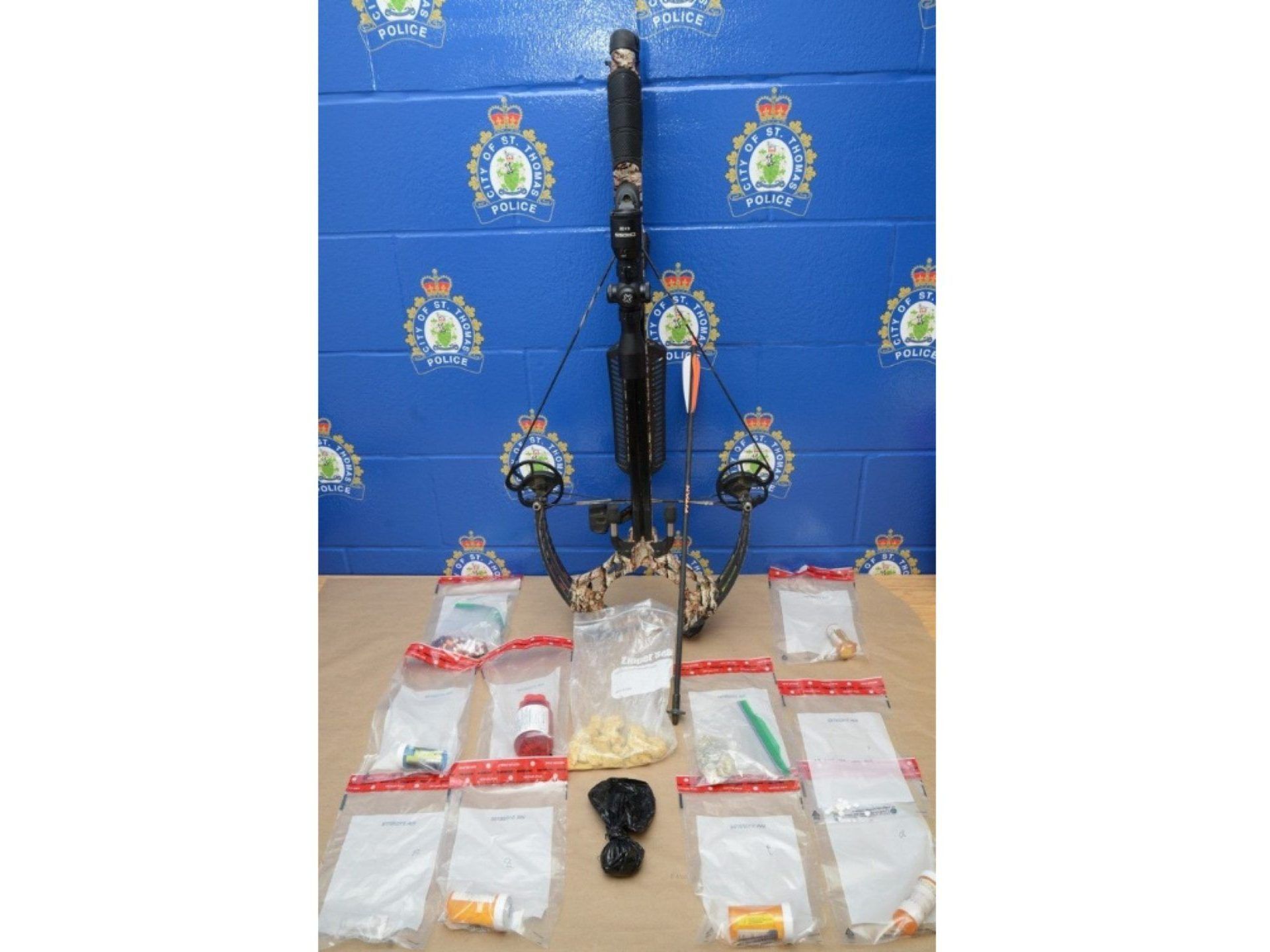
During the investigation, officers executed search warrants “at several locations in St. Thomas,” leading to the seizure of an estimated $32,185 in drugs. The items seized include:
194.3 grams of fentanyl 54.4 grams of cocaine 22.6 grams of methamphetamine 16.8 grams of crack cocaine 487 prescription tablets including Oxycodone, dilaudid, morphine and other suspected controlled substances $4,016.28 in Canadian cash One conducted energy weapon One crossbow Ammunition
Roskamp expressed gratitude towards the Criminal Intelligence Service Ontario “for its important support,” noting that such partnerships “strengthen our local collective ability to protect vulnerable community members and enhance public safety.”
Source link
Source link