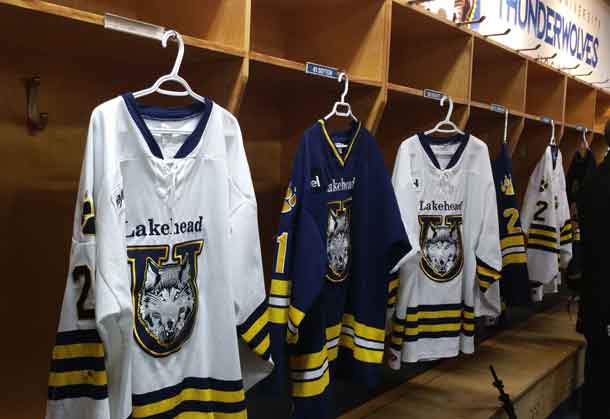
[ad_1]The Lakehead Thunderwolves are getting set for the Royal Military CollegeIn many Canadian towns, hockey season wraps up once the NHL playoffs conclude. But in Thunder Bay and Northwestern Ontario, it feels like it never really ends. The rinks stay full, minor hockey registration remains strong, and discussions about the game keep rolling on through summer and into fall training camps. This article explores what keeps hockey at the heart of community life here all year long.The Rinks That Never CloseFort William Gardens is where it all begins. Opened in 1951 and still owned by the City of Thunder Bay, it can hold nearly 4,700 fans and has been a hub for local hockey for over 70 years. Currently, it's home ice for both the Thunder Bay North Stars junior team and the Lakehead Thunderwolves university program-an uncommon setup that brings junior and university hockey together in one venue. Beyond the Gardens, there’s an impressive network of community arenas across the region:Multiple rinks operating throughout Thunder Bay Additional community arenas located in smaller Northwestern Ontario towns On-reserve arenas serving First Nations communities around the areaThis high density makes summer hockey schools and skill camps possible since ice time is readily available, and hockey is deeply embedded in local culture, attracting youth to the sport. Consequently, there's noticeable growth in player registrations within the community. This same excitement goes beyond just playing; local fans passionately follow junior, university, and professional hockey while increasingly turning to online platforms for game analysis-including betting predictions and news updates. This creates a wider hockey community that extends far beyond just being at the rink.Junior Hockey and SIJHL - The Pulse of Local CompetitionThe Superior International Junior Hockey League (SIJHL), established in 2001, represents Junior A hockey in this area where community identity really gets involved. The flagship team from Thunder Bay-the North Stars-plays out of Fort William Gardens and has clinched seven league playoff championships, with their latest win coming in 2026. Here are some key points:Games at Fort William Gardens often attract enthusiastic local crowds instead of just parents. Smaller communities around Northwestern Ontario field their own SIJHL teams representing their town’s largest sports institutions. Historically, this league has sent players to university levels as well as to OHL teams and other leagues.For many smaller towns here, their local junior teams are essential parts of daily life. These games draw big crowds where everyone shows up to support their teams filled with dedicated fans. The Thunderwolves and University HockeyThe men’s hockey team at Lakehead University-the Thunderwolves-adds another layer of serious competition on top of community-level play. Competing under U Sports within OUA guidelines, they call Fort William Gardens home while often leading conference attendance numbers resembling minor pro level crowds rather than your average college game. Their achievements include:The Thunderwolves captured the OUA’s Queen’s Cup during 2005-2006 while also finishing as national runner-ups that same year. The program hosted national university championships back in 2009 and 2010. Locally developed juniors frequently find spots on the Thunderwolves roster representing their hometown.This isn’t merely a university sport that draws interest from residents; it feels like a beloved hometown team that people actively follow.NHL Legacy from Northwestern OntarioThis aspect brings genuine pride among locals-and statistics validate it too! On a per-capita basis; Thunder Bay consistently ranks high among NHL talent producers across Canada even outperforming much larger cities. A prime example includes brothers Eric, Jordan , and Marc Staal who all progressed through minor hockey programs before reaching professional levels alongside Patrick Sharp , Alex Auld-all having started out playing right here. Plus there’s Alex Delvecchio-a Hall Of Fame member rooted firmly back into our region's history. Cold winters definitely contribute-but more importantly-it stems from extensive facilities combined with how integral this sport is woven into everyday life allowing us continuously produce NHL players due solely because we love this game!Indigenous Hockey Traditions Within Northwestern OntarioNo honest look at regional hockey would be complete without acknowledging Indigenous communities contributing towards building its foundation. Nearby Fort William First Nation regularly hosts Anemki Unity Winter Classic tournaments uniting both Indigenous & non-Indigenous players ranging from tyke divisions all way through midget leagues hailing from various areas including places like Lake Helen & Cat Lake. This pathway helps funnel Indigenous athletes towards regional/provincial opportunities forming an invaluable component within our culture worth emphasizing!A Glimpse Into Year-Round Hockey CultureTowns throughout northwestern Ontario maintain outdoor rinks even into summer months facilitating ball-hockey & recreational skating -a small gesture yet essentially showcases volunteerism packaged neatly as enjoyable hobbies! Draft discussions kick off locally right after Stanley Cup champion is crowned-not delayed several months down line either! What sets apart thunder bay's unique vibe surrounding its rich heritage isn't merely chilly winters nor mere existence various facilities scattered about town; but rather fact it's truly ingrained deeply within daily routines such that sustaining doesn't need specified "season"![ad_2]Source link