


What will Ottawa’s population look like in the future? This question is crucial for shaping our city for years to come, yet it’s one that residents feel they have little control over.
With a housing crisis, healthcare shortages, and an unemployment rate of 6.9 percent, welcoming more people seems counterproductive. However, the provincial government claims that “Ottawa, the fastest growing census division in Ontario, is projected to grow by 53.8 per cent, from 1.19 million in 2025 to 1.83 million in 2051.”
This figure is shocking, especially since just six years ago the province estimated that Ottawa’s population would only reach 1.4 million by 2046. It’s hard to see what trends could possibly drive such significant growth.
What does the provincial government think all these new Ottawans will do for jobs? Our largest employer, the federal public service, has already peaked and is on a downward trend. It’s hard to believe any future administration could significantly increase its size.
The forecasted population growth isn’t expected to come from more births either. According to the province’s projections, natural increase in Ontario is set to be a mere 20,000 people for 2025-26. By 2031-32, there won’t be any net gain from births; from then until 2051, deaths are expected to outnumber births.
The province relies almost entirely on immigration for future growth; it anticipates a rebound from current declines and expects about one percent annual growth for the provincial population moving forward.
Essentially, the provincial government seems to be using past data as a basis for predicting future outcomes. That might not be wise. The flow of immigrants depends on Canadians’ openness toward large-scale immigration as well as foreign nationals’ willingness to relocate here-both are uncertain factors.
The federal government’s unchecked enthusiasm for immigration during Justin Trudeau’s final term hurt its public perception. A poll conducted by Environics Research last year showed that 56 percent of Canadians felt there were too many immigrants coming into Canada.
Additionally, existing shortages of housing, healthcare services and jobs can deter potential newcomers considering settling in Ontario.
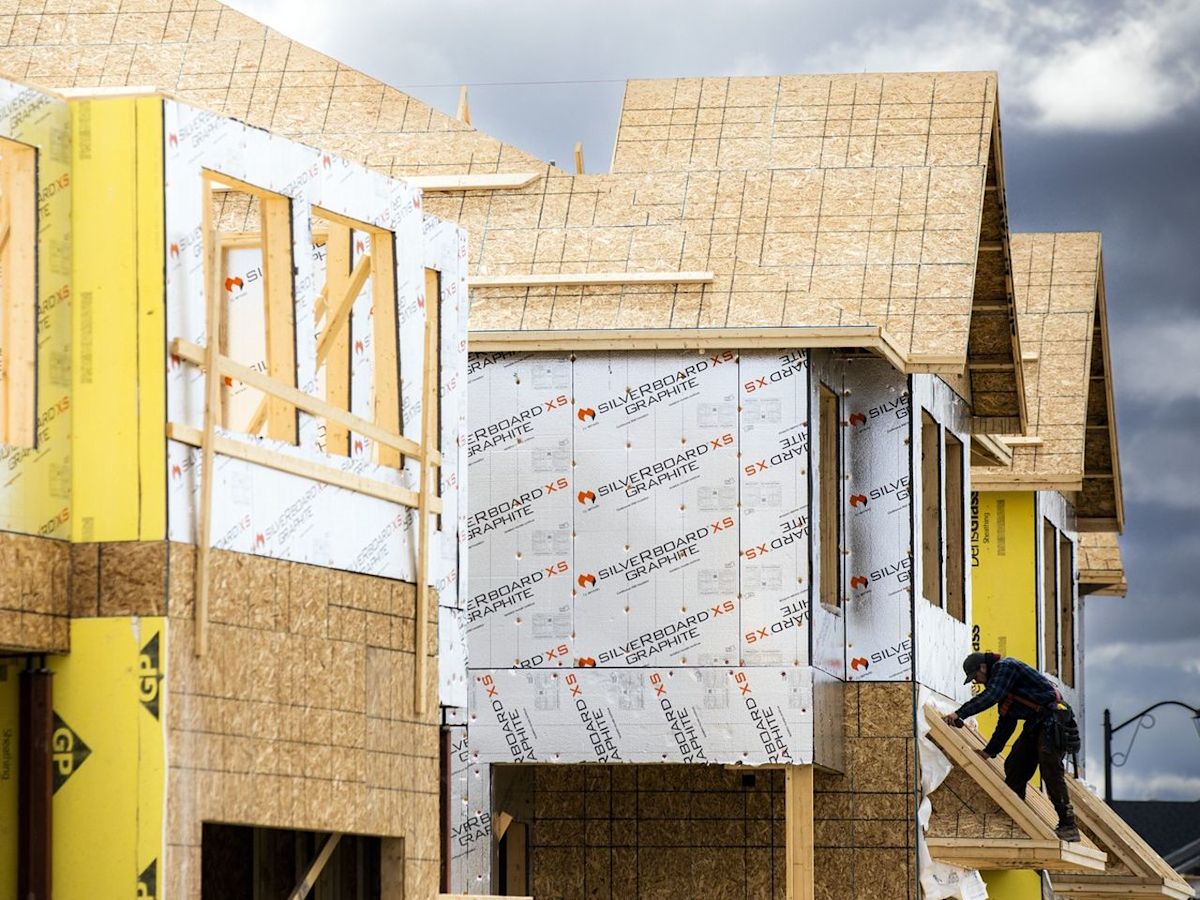
One aspect of Ottawa’s anticipated population boom is certain: next year when city council revises the Official Plan they’ll need to factor in these larger numbers when assessing future housing needs.
A recent report prepared for the city evaluates how these new population figures will affect us. To meet projected demand effectively , Ottawa will require an additional land area of around 2 ,740 hectares outside today’s urban boundaries-roughly equivalent to Barrhaven. This poses challenges for city councillors who believe that intensification can primarily solve housing demand without expanding urban boundaries. p>Even this estimateof2 ,740 hectares leans towards optimism regarding intensificationand transitioningtoapartmentliving. Another scenario basedon likelymarketdemandwouldnecessitate3 ,380hectares. p>Without sounding too cynical, the PCgovernmenthas been advocatingfor municipalities formore development landthanwhatprovincial regulations strictly require. Ottawa politicianshavefound thisunappealing. Inflatingpopulation numbers may serve as acleverstrategytoencourage themtothink differently. p>The upcoming municipal election thisfallprobablywon’tleadto rationalsolutionsforhousingan expandingpopulation. Revisingtheurbanboundaryislikelytobea popularpositionbutthecityconsultingreportdemonstratesthatthisapproachsimplywon’twork. p>Thesolutionisrightbeforeus, but politicallyit isn’t seenasacceptable. The National Capital Greenbeltrepresentsan outdated1950sattempttocontrolgrowth. Instead, it has drivenexpansionfurtherfromthecenter. Withapproximately20 ,000 hectares, the Greenbeltpossessesmorethan enoughlandtofulfillhousingneedsforthe next25years. p>Ifthosefuture wavesdoappear, thissolutionwillseemincreasinglyreasonableover time. p>Randall Denleyisan Ottawajournalistandauthor. Contacthimatrandalldenley1@gmail. com p>Related h2>
Source link