



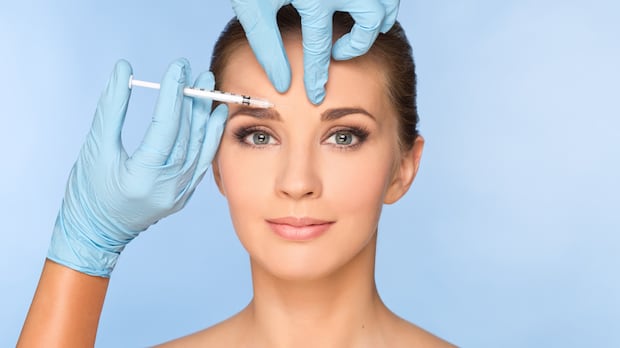
If you stroll through the city, you’ll notice many cosmetic clinics, often more than one on a single block, promoting services like fillers and Botox.
On Instagram and Tik Tok, you’ll find posts with tons of likes:
“If you’re in your 30s and wanna try botox in Toronto, dm me.”
“This is your sign to start botox.”
“Up to 50% off dermal filler.”
As non-surgical cosmetic procedures gain popularity, the College of Nurses of Ontario (CNO) introduced new guidelines in July outlining what responsibilities medical professionals such as doctors, nurse practitioners, and nurses have regarding these treatments. These updates also provide guidance on training, advertising, and the use of products and equipment.
While many medical professionals welcomed these guidelines, there’s some concern over additional proposed changes that just finished public consultation. Some nurses feel these changes could restrict their ability to perform medical esthetics independently.
The July guidelines were seen as a “welcome advancement” and are the first of their kind for this area, said Dr. Jennifer Pearlman, physician and CEO of Pearl MD Rejuvenation, a medical esthetics clinic in Toronto.
However, she noted that if the additional changes go through, “it will alter a lot of business models.”
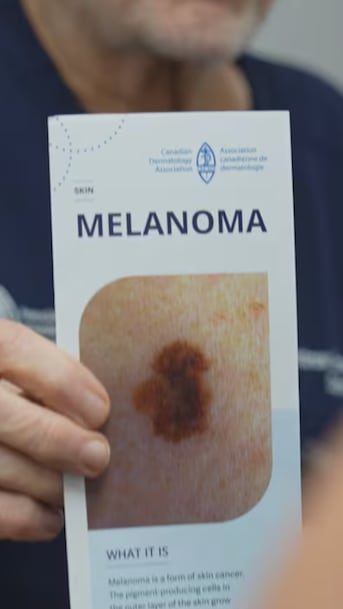 Getting botox could be faster than screening for skin cancer
It’s possible to book Botox for the next day; however, you might wait months just to check a potentially cancerous mole. Public health advocates worry that this shift toward paying out-of-pocket for cosmetic care signals growing privatization.
The CNO guidelines indicate that nurses receive authorization for non-surgical cosmetic procedures either via a directive or direct order from a doctor or nurse practitioner.
A directive applies to multiple clients while a direct order requires specific instructions for each patient from the physician or nurse practitioner. The CNO is considering making direct orders mandatory for nurses performing medical esthetic treatments.
This means every patient coming in would need consultation from a doctor or nurse practitioner at each visit-even follow-ups-said Tracey Hotta, a registered nurse who runs an esthetics training company.
“I think it’ll be a lot of administration put in on both sides,” she commented. “On the nursing side and also the authorized prescriber side.. that is not necessary.”
Getting botox could be faster than screening for skin cancer
It’s possible to book Botox for the next day; however, you might wait months just to check a potentially cancerous mole. Public health advocates worry that this shift toward paying out-of-pocket for cosmetic care signals growing privatization.
The CNO guidelines indicate that nurses receive authorization for non-surgical cosmetic procedures either via a directive or direct order from a doctor or nurse practitioner.
A directive applies to multiple clients while a direct order requires specific instructions for each patient from the physician or nurse practitioner. The CNO is considering making direct orders mandatory for nurses performing medical esthetic treatments.
This means every patient coming in would need consultation from a doctor or nurse practitioner at each visit-even follow-ups-said Tracey Hotta, a registered nurse who runs an esthetics training company.
“I think it’ll be a lot of administration put in on both sides,” she commented. “On the nursing side and also the authorized prescriber side.. that is not necessary.”
![]() Dr. Jennifer Pearlman, medical director and CEO of Pearl MD Rejuvenation said that while July’s guidelines are positive progress, any additional proposed changes ‘will alter a lot of business models.’ (Submitted by Jennifer Pearlman)
Dr. Jennifer Pearlman, medical director and CEO of Pearl MD Rejuvenation said that while July’s guidelines are positive progress, any additional proposed changes ‘will alter a lot of business models.’ (Submitted by Jennifer Pearlman)
 ‘Buyer beware’: How esthetic medicine is out pacing regulation in CanadaEsthetic medicine such as Botox microneedling may now seem more familiar among Canadians , yet industry growth might surpass safety measures. Medical aesthetics fall under various regulatory bodies across Canada but according to CBC ’s Jo Horwood some individuals within this field refer it as an ineffective framework which could lead towards patient harm.
Pearlman explained how alterations might disrupt numerous existing business models relying heavily on remote treatment authorizations via directives. However those structures could also “jeopardize” patient safety especially since social media makes aesthetic procedures appear less risky.
Doris Grinspun , CEO Registered Nurses Association Ontario indicated how adjustments should ensure quality control concerning issues like infections.
“We’re less concerned about affecting businesses than we are about needing regulations surrounding these procedures,”she remarked.
Public consultations wrapped up Wednesday night. The CNO will decide whether or not they’ll approve them come September.
‘Buyer beware’: How esthetic medicine is out pacing regulation in CanadaEsthetic medicine such as Botox microneedling may now seem more familiar among Canadians , yet industry growth might surpass safety measures. Medical aesthetics fall under various regulatory bodies across Canada but according to CBC ’s Jo Horwood some individuals within this field refer it as an ineffective framework which could lead towards patient harm.
Pearlman explained how alterations might disrupt numerous existing business models relying heavily on remote treatment authorizations via directives. However those structures could also “jeopardize” patient safety especially since social media makes aesthetic procedures appear less risky.
Doris Grinspun , CEO Registered Nurses Association Ontario indicated how adjustments should ensure quality control concerning issues like infections.
“We’re less concerned about affecting businesses than we are about needing regulations surrounding these procedures,”she remarked.
Public consultations wrapped up Wednesday night. The CNO will decide whether or not they’ll approve them come September.
Source link
What are the proposed changes?
The CNO guidelines state that nurses can perform treatments like Botox and filler but must first get approval from a doctor or nurse practitioner. The proposed change causing concern among some nurses relates to how this authorization is given. WATCH | It may be faster to get Botox than skin cancer screening:
Getting botox could be faster than screening for skin cancer
It’s possible to book Botox for the next day; however, you might wait months just to check a potentially cancerous mole. Public health advocates worry that this shift toward paying out-of-pocket for cosmetic care signals growing privatization.
The CNO guidelines indicate that nurses receive authorization for non-surgical cosmetic procedures either via a directive or direct order from a doctor or nurse practitioner.
A directive applies to multiple clients while a direct order requires specific instructions for each patient from the physician or nurse practitioner. The CNO is considering making direct orders mandatory for nurses performing medical esthetic treatments.
This means every patient coming in would need consultation from a doctor or nurse practitioner at each visit-even follow-ups-said Tracey Hotta, a registered nurse who runs an esthetics training company.
“I think it’ll be a lot of administration put in on both sides,” she commented. “On the nursing side and also the authorized prescriber side.. that is not necessary.”
Nursing association supports changes
While Hotta believes the July-issued CNO guidelines “are great,” she has joined over 2,000 others signing an online petition against consideration of these proposed additional changes. “I don’t think it would make a difference with patient safety,” she stated.</P The online petition claims that these adjustments would “fundamentally change how esthetic medicine is delivered in Ontario” because it may prevent nurses from independently performing routine follow-ups. It also argues there’s no solid evidence indicating these changes would enhance patient safety.</P Kristi Green, spokesperson for the CNO asserted that they believe these changes “will support client safety clarify nurses’ accountabilities , and promote consistency across all areas of nursing.”</P Alongside updates specific to medical esthetics , the college is reviewing modifications across all practice settings including clarifying delegation requirements according to its website.WATCH | Esthetic medicine is outpaces :
‘Buyer beware’: How esthetic medicine is out pacing regulation in CanadaEsthetic medicine such as Botox microneedling may now seem more familiar among Canadians , yet industry growth might surpass safety measures. Medical aesthetics fall under various regulatory bodies across Canada but according to CBC ’s Jo Horwood some individuals within this field refer it as an ineffective framework which could lead towards patient harm.
Pearlman explained how alterations might disrupt numerous existing business models relying heavily on remote treatment authorizations via directives. However those structures could also “jeopardize” patient safety especially since social media makes aesthetic procedures appear less risky.
Doris Grinspun , CEO Registered Nurses Association Ontario indicated how adjustments should ensure quality control concerning issues like infections.
“We’re less concerned about affecting businesses than we are about needing regulations surrounding these procedures,”she remarked.
Public consultations wrapped up Wednesday night. The CNO will decide whether or not they’ll approve them come September.
Source link