





The Canadian Mental Health Association has expressed regret over the distribution of “unvetted materials” that explain how to use cocaine at an Ontario school during Mental Health Awareness Week.
This issue came to attention when a social media user in Ontario mentioned that their child received a pamphlet about safe cocaine use at Barrie North Collegiate Institute.
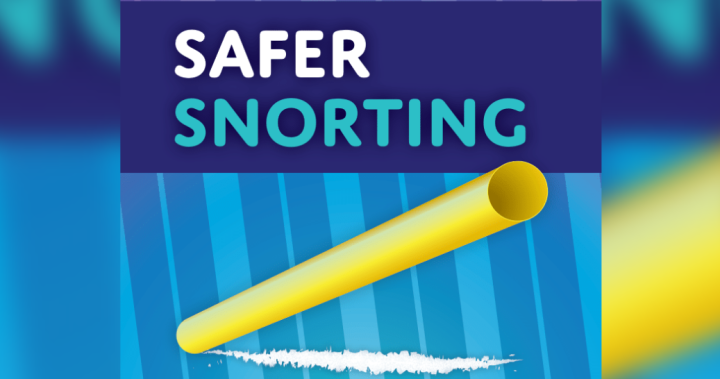
The pamphlet provides details on creating one’s own snorting tools, other drugs suitable for snorting, and tips to protect nasal passages. It also includes critical information about recognizing the signs of a stimulant overdose.
“Adding a personal touch to your snorting equipment will help you better recognize your own when using with others,” reads the booklet. “Some people add a piece of tape to their tubes or use a piece of coloured paper as their straw.”
Story continues below
The Simcoe County District School Board confirmed to that the pamphlet was among resources provided by the CMHA at the school.
“We understand that a harm reduction resource was made available, which has raised some concerns,” said Sarah Kekewich, manager of communication and strategic priorities at SCDSB, in an email statement. “We have discussed these concerns with our community partner to ensure future resources align appropriately with harm reduction education as outlined in the Ontario curriculum expectations.”

Get daily National news
Get daily Canada news delivered to your inbox so you’ll never miss the day’s top stories.
The Ontario Health and Physical Education curriculum outlines plans for introducing education on substance use and abuse starting as early as Grade 1. However, according to the 2021 Ontario Student Drug Use and Health Survey, many students feel they aren’t receiving adequate information regarding substance use and abuse. The surveyed students indicated they got information about tobacco and cannabis, but nearly 13 percent reported using opioids or prescription drugs.
The Canadian Centre on Substance Use and Addiction notes that individuals aged 20 to 24 are most likely to consume cocaine, with self-reported usage increasing from 3.3 percent in 2013 to nine percent in 2019.
While CMHA supports harm reduction education, it does not endorse distributing such pamphlets within schools.
More on Canada More videos
“The Canadian Mental Health Association, Ontario does not seek to promote or normalize substance use among youth,” Camille Quenneville, CEO of the Ontario chapter of CMHA, told via email. “We regret that unvetted materials were distributed in this context.”
Story continues below
Quenneville stated that the organization is collaborating closely with its local branch “to review and strengthen our content approval process to ensure all materials are appropriate for their intended audiences and aligned with best practices and community expectations.”
The aim of CMHA’s harm reduction education is “to provide accurate, evidence-based information that helps reduce the risk of injury, illness and death,” she explained.
The safer cocaine use pamphlet was developed by CATIE, a nationwide organization focused on providing accessible information related to sexual health and substance use.
CATIE mentions on its website that its information sheets are meant “to provide information for service providers on how to educate and support clients in reducing harms associated with snorting drugs.”
reached out to CATIE asking who is meant for this safer snorting pamphlet and if CATIE approves its distribution within schools. The organization did not reply before publication time.
& copy 2026 , a division of Corus Entertainment Inc.
Source link