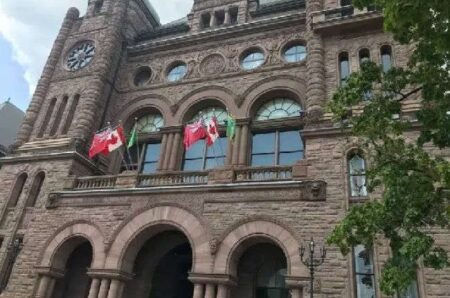





News More than half of the Wasaga Beach shoreline could be opened to development by Eric Wickham, Ontario Reporter July 29, 2025 The provincial government led by Doug Ford is looking to change the Provincial Parks and Conservation Reserves Act, which would result in a significant portion of the beachfront at Wasaga Beach Provincial Park being handed over for development. The idea is to transfer this land to the local municipality, allowing them to move forward with potential projects. “Provincial parks are meant to be protected and managed to maintain their ecological integrity, and they’re dedicated to the people of Ontario,” said Tim Gray, executive director of Environmental Defence, who has voiced concerns about this plan. “They’re meant to be protected forever.” Environmental Defence states that approximately 60% of the shoreline would be taken out of Wasaga Beach Provincial Park. Gray highlighted how rare it is for a government to shrink protected environmental areas. He mentioned that Canada aims for 30% of its lands and waters to be under some level of protection by 2030 due to commitments made in the Kunming-Montreal Global Biodiversity Framework signed by Canada along with 195 other nations in 2022. The land intended for removal from the park would go to the Town of Wasaga Beach, which raises concerns given their past approach towards conservation efforts as noted by Gray. “Given their previous hostility and desire to mechanically rake the beach, to destroy habitats, we can only imagine that once the land is theirs and no longer protected in the park, that they’ll make short work of it,” he said. “They have expressed opposition to it being protected when they didn’t even own it.” Gray also pointed out that while it’s uncertain what will happen next with this land, local wildlife and ecosystems would face risks. The piping plover is an endangered species found in Wasaga Beach Provincial Park, and its habitat falls within the area proposed for removal. He further emphasized the ecological significance of both sand dunes and shoreline habitats in this park; not only are these features unique but they also play a crucial role in flood prevention. “When you get those big storms coming down Georgian Bay, spring, fall, winter, the dunes actually act as a barrier to, you know, waves pounding into the town itself for wind and sand and other things,” he said. An excerpt from a map posted to Ontario’s Environmental Registry shows areas shaded in yellow proposed for removal from Wasaga Beach Provincial Park; portions in green will remain. (Ontario Parks / Environmental Registry of Ontario) “It’s kind of a natural protective barrier that builds up along a natural beach; if they’re removed or replaced with parking lots, that’s going to change the dynamic there as well,” he added. This proposed alteration comes alongside a $38 million investment aimed at boosting tourism under Ford’s initiative named “Destination Wasaga.” Data from the government indicates that Wasaga Beach has been among the most visited provincial parks over three out of four recent years available. Despite Ford’s majority at Queen’s Park, Gray believes anyone against removing 60% of beachfront needs to speak up. “I think on this particular issue it’s going to require mobilization so MPPs understand that this isn’t going over well with their constituents,” he stated. He added it’s essential for opposition MPPs’ constituents also reach out so this topic gains attention at Queen’s Park. “This bill will have to come before legislature; it will need voting on,” he explained. “The more scrutiny it faces and attention drawn towards it increases our chances at stopping both attacks on Wasaga as well as broader threats against our provincial park system.” The Town of Wasaga Beach did not respond when asked about this matter by Press Progress. The premier’s office along with Simcoe-Grey MPP Brian Saunderson also declined comment. The province welcomes public feedback regarding this proposal through Ontario’s Environmental Registry.