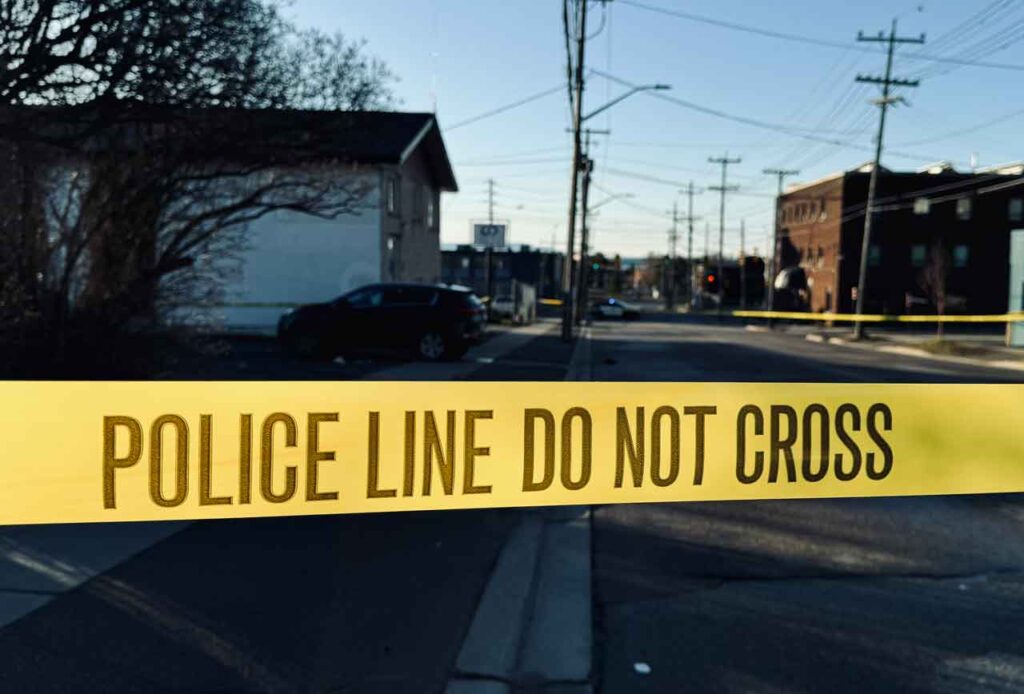
[ad_1]Crime Tape at the scene of the homicide - May 5 2024THUNDER BAY - A lot of people in Thunder Bay are expressing on social media that they feel the city is more dangerous than it was in years past. Many view our city as being less safe today compared to the "good old days." Is this really the case, or are people just forgetting over time? Concerns include violent assaults, homicides, open drug use, disturbances downtown, property crimes, calls involving weapons, and a growing feeling that public spaces aren't as safe. The statistics don’t entirely back up a simple claim that “things were better before.” However, one aspect of public worry is valid: serious violent crime has indeed become a bigger and ongoing issue in Thunder Bay compared to two decades ago.The quick takeaway: property crime used to be worse, but violent crime severity has increasedStatistics Canada’s Crime Severity Index (CSI) measures not just how many crimes are reported to authorities but also how severe those crimes are. More serious offenses receive more weight based on court sentencing trends. The base index is set at 100 for Canada in 2006. This difference matters for Thunder Bay. If we look at total crime volume, the city doesn't appear significantly worse than it did in the late 2000s. According to Statistics Canada’s Safe Cities profile, Thunder Bay's overall police-reported crime rate was 8,616 per 100,000 people in 2008 but dropped to 5,778 by 2018-a decrease of 33 percent over that decade. Property crime also saw a big decline from 5,136 per 100,000 in 2008 down to 3,321 in 2018. But when it comes to violent crime, the situation is different. Thunder Bay's violent CSI stood at 100 in 2004 and rose to about 160 by 2018. The latest data from Thunder Bay Police indicates that the city's violent CSI now exceeds 200-much higher than both Ontario and Canada averages.The troubling numbers from Thunder Bay in 2024Statistics Canada shared that Thunder Bay’s overall Crime Severity Index for 2024 was recorded at 107.7-an increase of eight percent from the previous year. The police-reported crime rate stood at about 6,867 per 100,000 people; that's also up eight percent. This puts Thunder Bay well above the national CSI average of just under78 and a national crime rate of around5 ,672 per100 ,000. The local police also noted that these numbers indicate an average higher than both provincial and national levels for crime severity. This helps clarify why residents might feel things have worsened even if some types of crimes aren't reaching historical highs. It’s not only about how many incidents happen; it’s also about how serious those incidents seem based on what people hear or see firsthand.The rise in homicide rates fuels public concernHomicide stats can fluctuate greatly due to their low numbers relative to a city like Thunder Bay. Nevertheless , the long-term trend can't be ignored. According to Statistics Canada , there were no homicides recorded in Thunder Bayin2008, but this number jumpedtoeightby2018-a rateof6.38per100 ,000people-whichisconsiderablyhigherthan Ontarioand Canadaoverall. In2019 , Thunder Bayboastedthehighesthomiciderateamong Canadian censusmetropolitan areasforfouryearsina rowat5.56per100 ,000people. This trend continued with Statistics Canada reporting Thunder Bay's CMA homicide rateasbeingthehighestagainin2023at5.39per100 ,000andseeingitriseagainin2024to6.08per100 ,000. This offers strong support for why many locals believe their city has taken a turn for the worse.The impact of memories on perceptionPublic memory often mixes feelings of safety with community confidence alongside visible disorder. Many individuals may not be analyzing data from spreadsheets dating back from either2004or2024.Instead they could bemore likely recalling times when walking downtown felt safer ; allowingchildren toridebikes freely ; parkingsans worriesabout theft ; orgoingto workwithout witnessingopen drug use or violence nearby.Those feelings count too. Perception isn’t always alignedwithcrime data, butit playsa roleinpublic safety.Atthesametime, nostalgia can skewreality. Thunder Bayhas hadseriouscrimeinprevious decades. Propertycrimerateswerehigher duringparts ofthelate2000s. Break-ins, thefts, andvehicle-related offenses weren’t new issues.What seems different nowistherise invisibilityandseverityofviolencealongwiththechallengesaroundaddiction, housing instability, Mentalhealth crises, andorganizeddrugtraffickingSocial media heightens fear but isn’t everythingSocialmedia amplifies fearsbyturningeverypolice call, socialmediapost, videosor rumorsinto alertsfor communities. A personmight witnessseveralevents ina singledadthatwouldn’thave circulated beyondneighborhoodbefore.Still, dismissingconcerns as “just Facebook” wouldbe unwise.Records showthat Thunder Baysuffersfromsignificantviolent-crimeissuescomparedto Ontarioand Canada. Thecityhas consistentlyledthenationinhomicideratesamong CMAs.Itsviolent CSImarkedlyrosefromtheearly2000sandnowstandsfaraboveprovincialandnationalaveragesCaveats regarding statisticsPolice-reported crimerecordshavelimitations.Theyonlyreflectincidentsknown tothelaw enforcement agencies, rather thaneveryactualoffensecommitted.Reporting habits changeover time. Some victimschoosetoavoidcontactinglaw enforcement. Othersmaystop reporting repeated theftsif theyfeel little willcomeofit. Domesticviolence, severeassaults, hate crimes, andfraudcontinue tounderreportedsignificantly.Statistics Canada alsowarnsabout potential biases stemmingfromlocalpolicies, enforcementprocedures, and otherpracticesaffecting thesestatisticsThismeansone mustinterpretdata cautiously-it servesasa goodindicatorbutdoesn'toffera completeviewofthe livedexperienceDiverse challenges set Thunder Bay apartIt's crucial tonote Thunderyay isn’t merely ahubforlocalresidents. Itservesasacriticalservicepointforallmostof Northwestern Ontarioencompassinghealthcare, courtseducation, treatmentfacilities, andmorePeople flock here seekingmedical aid, shelter, jobs, familysupport, treatmentoptions etc. Thisregionalrole bringsbotheconomic benefityet intensifiessocialstresseswithinthisurban area=(Addiction, povety, housing shortages, multigenerational trauma, lack oftreatment facilities, youth disconnection along withdrug-trafficking networks) all manifest within our town?#R(Police enforcementcan't address theseissues alone.) Humanizing your message builds trust. #R(So were things actually better before?) Summary conclusions: yesandsomewhat. no."If we're talking whether Serious Violent Crimewaslessfrequent20 yearsago, dataindicatesworryismerited. Violentcrime ratesareindeedhigherrightnowthantheywerebackin2004." If your question focuseson whethereverycategoryofcriminalactivity faresworse today, data isn't supporting this notion. Propertycrime rateshave significantlydroppedbetween2008and2018, some older volumetric offenses were much worse earlieron.""And concerningwhetherit'swrongforcitizens toworry-theanswer stands firm: no." Anarea might exhibit fewerpropertycrimes while stillfeeling unsafe owingtothemoreintensevisibilityconnectingtothebroader societal disruptions."#R(The dilemma faced by thunder bay) """Thefocusneeds shifting awayfromarguingabout exaggerations toward devisinganapplicablepublic safetyplan directly tacklingviolent offenseswhilealso addressingunderlyingcauseslikeaddictions, insecure housing gaps mental health struggles poverty racism trauma organized drugs amongst others""Pastwasnot freefromcrimesbutcurrentrealities surroundingseriousviolenceareunmistakable."[ad_2]Source link