


Batteries for electric vehicles produced in St. Thomas could be used in cars across Europe and South America, along with new electric vehicles made in the U. S.
According to a U. S.-based EV industry expert, Volkswagen, which owns Power Co-the battery manufacturer located in St. Thomas-might export batteries to international markets since Ontario has a more cost-effective and integrated production process.
“My suspicion is they will open St. Thomas and, depending on demand, will export to Europe and for possible South America production,” said Conrad Layson, senior analyst with Auto Forecast Solutions in Pennsylvania.
“The footprint for St. Thomas is so large and it has to run at 70 to 80 per cent capacity to be successful.”
Recently, Power Co lost a customer when Volkswagen decided not to produce the electric ID.4 at its Tennessee assembly plant anymore, choosing instead to focus on the gas-powered Atlas SUV.
This leaves the possibility of supplying Volkswagen’s South Carolina plant-which will assemble the Scout-as a potential market for batteries from St. Thomas.
Layson mentioned that Volkswagen operates two EV battery plants in Europe and might require batteries from Canada to send over there for vehicle use.
It’s believed that Volkswagen is “looking seriously” into starting EV production in South America, likely focusing on Brazil which has been welcoming towards electric vehicles.
There are also talks that Volkswagen might introduce another model alongside the Scout at its South Carolina plant, potentially an Audi SUV, according to Layson.
“They could be shipped to Europe – now CATL (a Chinese battery maker) ships to Europe. It is possible,” he said.
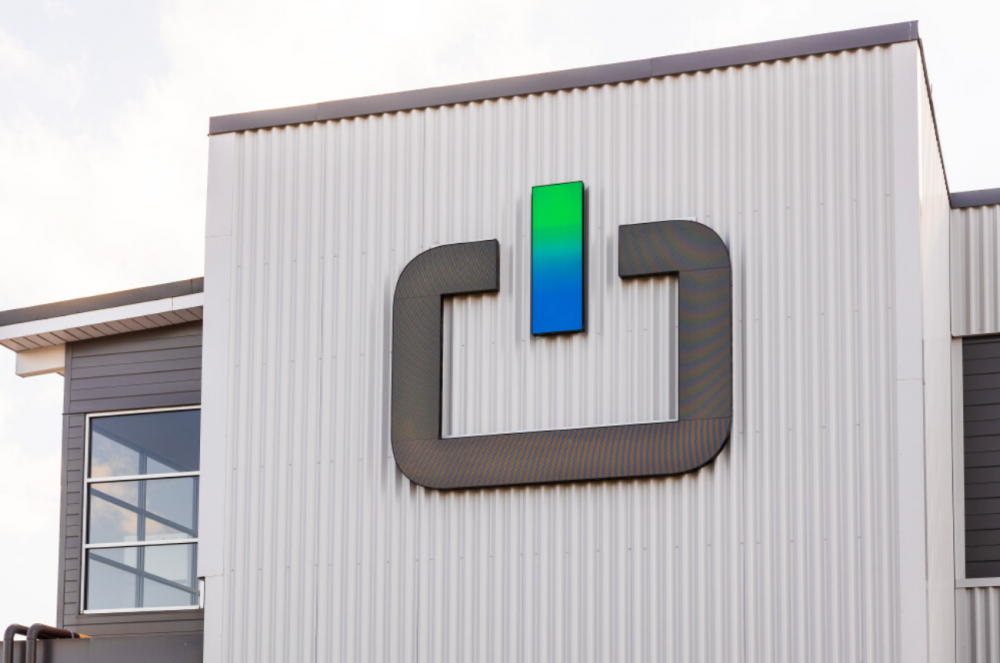
Construction continues on the Volkswagen battery gigaplant in St Thomas. Photograph taken on Wednesday March 4, 2026. (Mike Hensen/The )
Volkswagen may produce around 150,000 Scout vehicles each year starting in 2028; however, St. Thomas has enough capacity for roughly 400,000 batteries annually.
“You have minuscule demand out of South Carolina. The question becomes, do you add? Probably. Our forecast includes another VW line. It is probably going to be Audi.”
European car manufacturers often rely on Chinese sources for batteries and materials used in electric vehicle assembly. As Canada develops its minerals supply chain further, Layson pointed out that locally made batteries could present an attractive option for manufacturers seeking alternatives outside China.
“The mineral industry in Canada still needs to be built, but it is possible,” Layson stated.
Cathode plants located in Quebec and mining operations for precious metals and minerals up north are necessary steps towards expanding this sector here as he noted.
“Once that is done, battery manufacturing can expand. Canada has all the parts. Europe now imports from China. China has a lock on mineral production.”
If Power Co kicks off production at St. Thomas by 2027, initial output may consist of “scrap,” with actual batteries hitting the market by late 2027 or early 2028.
This timing would allow them enough opportunity to support both The Scout and European markets while considering additional output options within Brazil or at their facility in South Carolina.
In 2022 alone, Volkswagen announced plans for six EV battery facilities throughout Europe; although these plans seem stalled currently as they only have two running now yet EV sales keep rising-something St. Thomas’s output might assist with meeting demand effectively.
Diving into numbers from early 2026 shows that European EV sales under Volkswagen jumped by an impressive margin of 11.5 percent reaching totals of approximately176 ,400 units compared against158 ,100 during similar times last year-however declines were noted elsewhere including both U. S. and China markets respectively.
“They are selling EVs in Europe. There will be demand. There is capacity out of St. Thomas that could be exported over there ,” remarked Layson again highlighting potential future exports based upon local resources available here.
With roughly60 -70%of global rare earth mining occurring within borders defined by Chinese territories(considering85 %of processing power stems directly from them )as outlined by Ontario Ministry report detailing lithium, cobalt, and batter-grade graphite availability nationwide-it emphasizes need sourcing domestically given current state affairs surrounding trade agreements globally influencing such materials’ availability regularly affecting prices significantly impacting automotive industries worldwide today!
Presently speaking Ontarios home boasts nearly10mines actively extracting nickel, cobalt, copper along side precious metal/zinc operations too including14processing plants geared towards establishing robust infrastructure supporting sustainable practices moving forward throughout upcoming years ahead!
“Our focus remains on delivering next-generation battery manufacturing through our landmark investment into gigafactory being built right now at ST. thomas location! This initiative signifies strategic commitment ensuring quality jobs remain supported locally while simultaneously strengthening North American supply chains overall!”Power Co declared recently showing dedication seen reflected their statements made publicly addressing stakeholders involved here.
ndebono p >
Source link