




Ontario Construction News staff writer
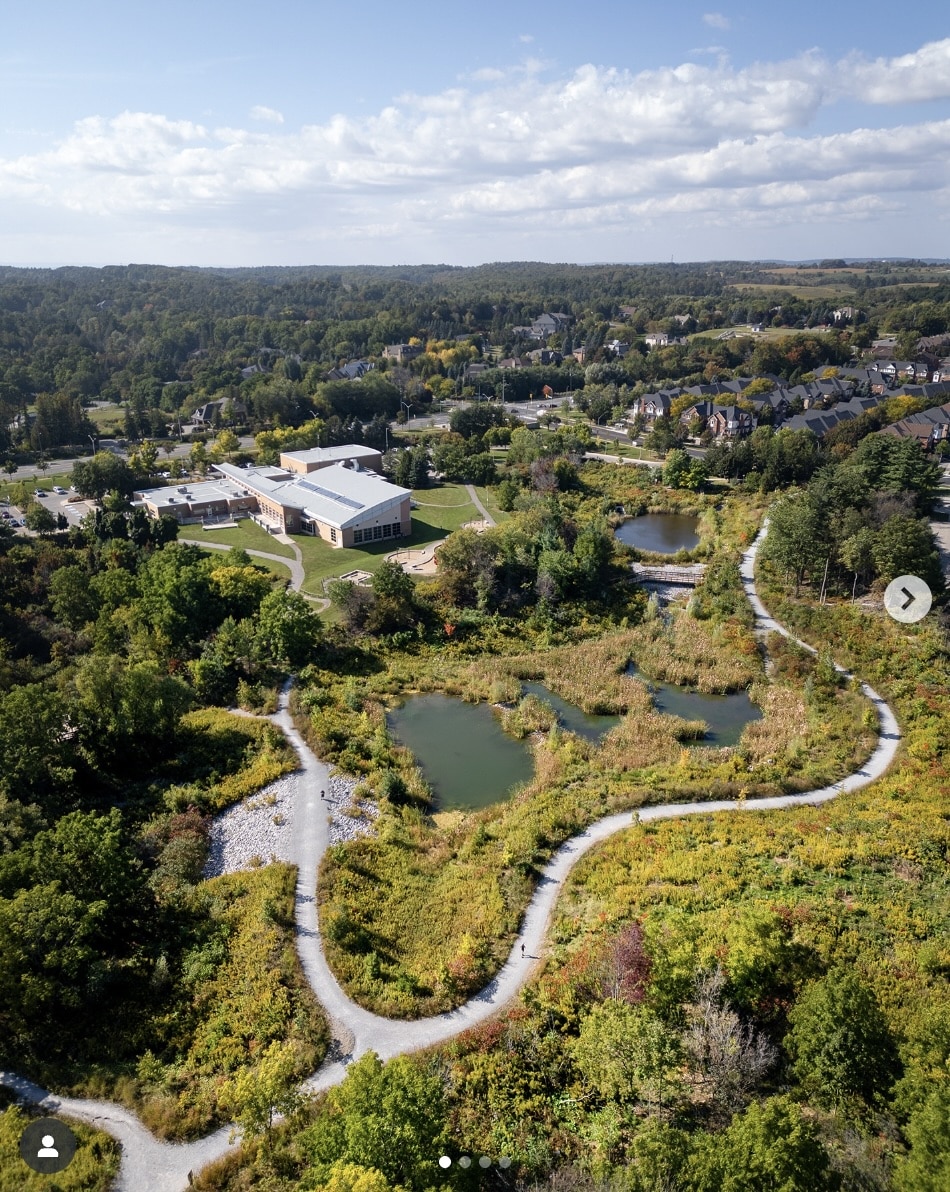
The City of Richmond Hill, along with the Toronto and Region Conservation Authority (TRCA), is contributing 550 hectares of protected greenspace to Canada’s 30×30 conservation goal. This initiative aims to preserve 30 percent of the nation’s lands and waters by the year 2030.
Ontario Nature assessed 31 publicly owned sites – including 429 hectares from the city and 121 hectares from TRCA – confirming they qualify as protected areas or “other effective area-based conservation measures” according to federal standards.
Richmond Hill’s contribution features important locations such as the East Humber Trail, Haynes Lake Wetlands and Uplands, Oak Ridges Meadow, and the Richmond Hill David Dunlap Observatory Park. These regions provide various habitats – forests, wetlands, valleys, and meadows – while also hosting species at risk like the eastern wood pewee, barn swallow, redside dace, black ash, and midland painted turtle.
“Conserving nature isn’t just a goal, it’s a responsibility,” TRCA CEO John Mac Kenzie stated. “This milestone highlights our long-term environmental stewardship and reaffirms our dedication to biodiversity and climate resilience.”
Mayor David West mentioned that this effort strengthens the city’s promise to protect biodiversity while addressing climate change.
The lands will add to a total of 30 designated Protected Areas and one Other Effective Area-based Conservation Measure (OECM), primarily situated within the Oak Ridges Moraine and Greenbelt.
As noted by Ontario Nature, municipal properties can meet Canada’s 30×30 target if they are managed year-round with specific boundaries aimed at supporting lasting conservation outcomes. OECMs differ from protected areas in that their primary purpose isn’t conservation; however, they still provide valuable conservation benefits.
“This initiative really aligns with our commitment to safeguard biodiversity, mitigate climate change and create a community where humans and nature can thrive together,” West said.
Source link
Source link


