



Community organizations and police data show that the number of domestic violence cases is worryingly high in Lanark and Renfrew counties, located in rural eastern Ontario.
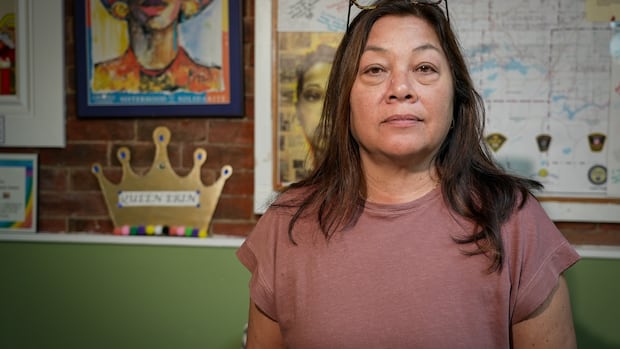
“We’re seeing an increase in our crisis calls, and so what we’re finding is that people are calling about acts of violence. They’re not calling to say, ‘I’m a little bit concerned’. They’re calling when they’re in it,” said Erin Lee, executive director of Lanark County Interval House.
Lee has spent over thirty years working at shelters for women escaping abuse in Carleton Place and Ottawa. She mentioned that last year the crisis line at the Lanark County shelter received 3,000 calls-hundreds more than the agency saw before COVID.
The trend is not limited to this area; it’s happening across the province.
According to the Ontario Provincial Police (OPP), reports of intimate partner violence rose by 18.1 percent in Ontario, with 6,289 victims recorded in 2024 compared to 5,326 in 2023. This represents a 13.5 percent increase from 2022.
Statistics released on July 7 by the Ottawa Police Service indicate a nine percent rise in reports over the past six months.
“Is there a reality that there are more incidents? Yes. Is there a reality that the incidents are more volatile? Yes. And is there an increased awareness and more discussion happening about it? Absolutely,” said Lee.
She added that the increased dialogue and improved coordination with law enforcement are positive developments amidst these troubling trends.
Historically, interactions between women’s shelters and police have been complicated and somewhat distant. However, that’s changing now, according to Lee. She noted they often receive calls from OPP asking them to “mobilize a team” when victims reach out to law enforcement.
Still, many instances of domestic abuse remain unreported.
In fact, data from 2019 revealed that around 80 percent of those who faced intimate partner violence did not report it to police. The Canadian government indicates that cases tend to be reported more frequently when abuse occurs often.
“If the OPP has 500 calls for service, we would imagine that all those should lead to referrals. We’re not at that place yet.” Mary Leigh Elliot, executive director of Victim Services of Renfrew County states there’s been an increase both in calls made to police as well as incidents of abuse within her community. (Mathieu Deroy/CBC)
“Good things have come out of that inquiry-we had multiple townships plus county itself declare intimate partner violence an epidemic opening opportunities for support,” said Mary Leigh Elliot who leads Victim Services within Renfrew County.
Following up after findings made during this investigation Cloutier shared that OPP introduced 70 “abuse issues investigators” across Ontario meant specifically tasked ensure their actions center on victims while adopting trauma-informed methods.
“We’ve placed two within Upper Ottawa Valley-one covering Renfrew along another assigned specifically Lanark,” explained Cloutier.
The duty carried out by these officers frequently includes referring survivors directly over Victim Services providing emotional aid alongside practical assistance remarked Elliot where current stats reveal rising numbers related intimate partner offenses sexual assaults human trafficking keeping pace alike.”Comparing our latest statistics…from ’23-’24 against ’24-’25 we’ve seen jumps hitting roughly twenty-four percent referral rates,” said Elliot. Similar observations surfaced also echoing sentiments expressed previously earlier surrounding coordination efforts alongside law enforcement within neighboring areas such as Lanark county. Elliot adds both factors-more reporting coupled increased occurrences contributing observed phenomena
Real solutions lie ultimately rooted prevention strategies though adding emphasis education remains critical foundation developing healthy relationships starting youth onward paired necessary resources targeted towards aiding both victims offenders involved situations like these
Source link
Police taking victim-centred approach
In Lanark County, a woman who has experienced violence is now helping train police officers on how to manage domestic situations effectively. “Police need to know that when women decide to leave, they’re most at risk. I give them insight into that journey and open their eyes to what women face,” said the trainer, whose name CBC is withholding for her safety. A significant factor contributing to her survival was being connected with community resources offering safe accommodations, counseling, and group therapy right away by police. She explained her experience: “On the day of the attack, an officer attended. She sat with me for hours on my front porch. I was scared and worried, in shock. My whole life had blown up.” This shift towards a victim-centred approach is encouraging for Lee. “Who would have thought that you would have a survivor in a rural community going in and educating your OPP members on how they conduct business?” she asked while noting there’s still plenty of room for growth.“If the OPP has 500 calls for service, we would imagine that all those should lead to referrals. We’re not at that place yet.” Mary Leigh Elliot, executive director of Victim Services of Renfrew County states there’s been an increase both in calls made to police as well as incidents of abuse within her community. (Mathieu Deroy/CBC)
Education is key
No one can pinpoint exactly why domestic violence reports are increasing; however OPP has its theories regarding this trend. “I think much of what OPP has done concerning investigating intimate partner violence properly is paying off,” stated acting Det. Staff Sgt. Nick Cloutier.“Victims throughout all our communities feel more comfortable around police now; they trust them more which encourages them coming forward.”The tragic murders of three women during September 2015 still linger heavily among community workers’ minds there. The subsequent inquiry into those events yielded 86 recommendations directed toward agencies along with law enforcement.“Good things have come out of that inquiry-we had multiple townships plus county itself declare intimate partner violence an epidemic opening opportunities for support,” said Mary Leigh Elliot who leads Victim Services within Renfrew County.
Following up after findings made during this investigation Cloutier shared that OPP introduced 70 “abuse issues investigators” across Ontario meant specifically tasked ensure their actions center on victims while adopting trauma-informed methods.
“We’ve placed two within Upper Ottawa Valley-one covering Renfrew along another assigned specifically Lanark,” explained Cloutier.
The duty carried out by these officers frequently includes referring survivors directly over Victim Services providing emotional aid alongside practical assistance remarked Elliot where current stats reveal rising numbers related intimate partner offenses sexual assaults human trafficking keeping pace alike.”Comparing our latest statistics…from ’23-’24 against ’24-’25 we’ve seen jumps hitting roughly twenty-four percent referral rates,” said Elliot. Similar observations surfaced also echoing sentiments expressed previously earlier surrounding coordination efforts alongside law enforcement within neighboring areas such as Lanark county. Elliot adds both factors-more reporting coupled increased occurrences contributing observed phenomena
Real solutions lie ultimately rooted prevention strategies though adding emphasis education remains critical foundation developing healthy relationships starting youth onward paired necessary resources targeted towards aiding both victims offenders involved situations like these
Source link