Estimated 1 minute
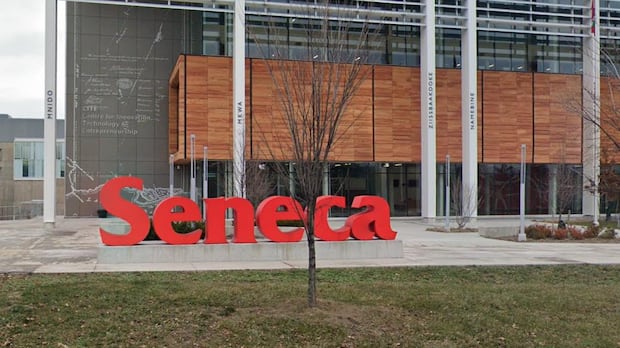
Seneca Polytechnic has announced the temporary closure of its campus located north of Toronto, attributing the decision to recent cuts from the federal government concerning international student permits.
The college anticipates that these cuts will lead to a decrease in enrollment, which necessitates shutting down its Markham, Ont., campus.
“It’s basically because we are losing international students,” said David Agnew, the school’s president, in an interview with .
In January, the federal government declared a limit on new international students … since then there have been several announcements that have seriously harmed Canada’s reputation as it has created uncertainty in the global market.”
Earlier this year, the federal government introduced a temporary cap aiming to reduce new student visas by over one third for 2024. The government stated it would approve around 360,000 undergraduate study permits for next year – a reduction of 35 percent compared to 2023.
In September, the Liberal government announced an additional 10 percent cut in international student permits issued. The target for 2025 and 2026 will be set at 437,000 permits.
Seneca Polytechnic plans for this temporary closure to take effect at the end of the fall 2024 term.
Courses scheduled for this campus will be transferred to Seneca’s Newnham and York facilities in Toronto starting with the winter 2025 term.
Agnew mentioned “a really dramatic drop in the number of international students,” stating “it didn’t make much sense to continue to run a campus that was losing enrollment.”
He also pointed out that merging these programs into two other fully operational campuses could enhance student experiences.
Agnew emphasized that while Seneca is closing a campus, they’re not alone facing challenges from dwindling enrollment numbers.
![]() David Agnew, the president of Seneca Polytechnic, says ‘it didn’t make much sense to continue to run a campus that was losing enrollment.’ (Michael Aitkens/CBC)
“We’re seeing across Canada and certainly within our province real difficulties facing post-secondary education right now,” he remarked.
“We’re noticing program suspensions …we’ve heard numerous reports about significant deficits at universities. So currently it’s tough and everyone needs to step up here.”
David Agnew, the president of Seneca Polytechnic, says ‘it didn’t make much sense to continue to run a campus that was losing enrollment.’ (Michael Aitkens/CBC)
“We’re seeing across Canada and certainly within our province real difficulties facing post-secondary education right now,” he remarked.
“We’re noticing program suspensions …we’ve heard numerous reports about significant deficits at universities. So currently it’s tough and everyone needs to step up here.”
Source link
Ontario Increases Funding for Colleges and Universities
In February Ontario revealed plans for a substantial short-term funding increase aimed at colleges and universities intended to “stabilize” their financial situations. Minister of Colleges and Universities Jill Dunlop announced over $1.2 billion in financial aid following a report commissioned by the government which indicated low provincial funding coupled with tuition cuts and freezes initiated back in 2019 posed a “significant threat” to sector sustainability. “Our goal is putting students first while continuing producing world-class graduates Ontario is known for,” Dunlop stated. This funding increase includes roughly $900 million allocated toward a three-year post-secondary education sustainability fund; $200 million will be set aside specifically for institutions facing greater needs according to an official news release. An additional $167.4 million will address capital repairs and equipment needs; $100 million dedicated toward STEM programs; $65 million earmarked for research and innovation; $23 million focused on mental health support; along with $15 million designated for audits aimed at identifying “long-term cost savings.”Source link