





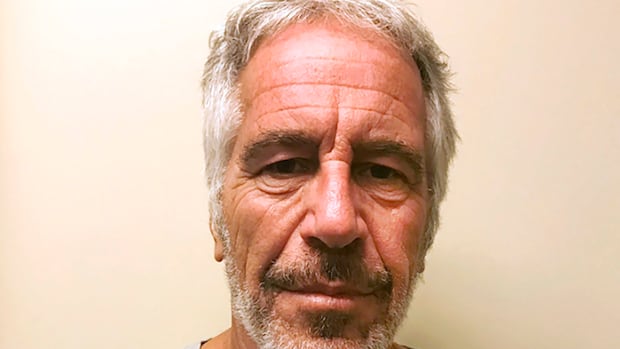
Almost six years after admitting guilt to a crime that should have barred him from entry, Jeffrey Epstein made a trip to Canada, and officials from the federal government aren’t explaining why he was permitted into the country.
Documents confirming Epstein’s trip to Vancouver in 2014 were part of the three million pages released by the U. S. Department of Justice on Friday as part of its investigation into claims that the convicted sex offender operated a child sex trafficking ring for the elite.
The reason for his admission into Canada remains unclear, considering his 2008 guilty plea and an 18-month prison sentence related to two prostitution charges, which included soliciting prostitution from a minor.
As a U. S. citizen, Epstein was labeled inadmissible to Canada due to at least one conviction that would qualify as an indictable offense under Canadian law, according to an official letter from the Canadian consulate in Los Angeles dated 2018.
This letter denied Epstein’s request for a temporary resident permit that could have allowed him an exemption for traveling to Canada despite his criminal history.
Such permits “can be issued only in exceptional circumstances that might be best described as humanitarian and compassionate, or on occasion, when compelling Canadian interests are served,” states the April 4, 2018 letter.
![]() This screenshot shows part of a 2018 letter to Epstein from the Canadian consulate in Los Angeles rejecting his request for permission to travel to Canada despite his criminal record. (U. S. Department of Justice)
“After a careful and sympathetic review balancing all the factors, I have determined that there are insufficient grounds to merit the issuance of a permit in your case,” it says.
However, Epstein managed to travel into and out of Canada four years prior, even though he had similar convictions on his record.
This screenshot shows part of a 2018 letter to Epstein from the Canadian consulate in Los Angeles rejecting his request for permission to travel to Canada despite his criminal record. (U. S. Department of Justice)
“After a careful and sympathetic review balancing all the factors, I have determined that there are insufficient grounds to merit the issuance of a permit in your case,” it says.
However, Epstein managed to travel into and out of Canada four years prior, even though he had similar convictions on his record.
![]() A screenshot of a U. S. Customs and Border Protection document showing that Epstein cleared customs in Seattle on March 20, 2014 after a flight from Vancouver. (U. S. Dept. of Justice)
“We cannot provide comment on specific cases as a person’s immigration and border information is considered personal information and is protected by the Privacy Act,” said Guillaume Bérubé, acting director of media relations at CBSA, in an email Monday evening sent to .
“Admissibility of travellers is decided on a case-by-case basis and based on the information available at the time of entry.”
Chris Alexander, who was Canada’s minister of citizenship and immigration back in 2014, stated he had no knowledge about Epstein’s visit.
“If he did come to Canada at that time, that was a very serious lapse in immigration enforcement,” Alexander noted in an email response sent to .
“Our government’s position was very clearly that any persons (including U. S. citizens) with criminal records were inadmissible, and that these provisions of law should be rigorously enforced.”
A screenshot of a U. S. Customs and Border Protection document showing that Epstein cleared customs in Seattle on March 20, 2014 after a flight from Vancouver. (U. S. Dept. of Justice)
“We cannot provide comment on specific cases as a person’s immigration and border information is considered personal information and is protected by the Privacy Act,” said Guillaume Bérubé, acting director of media relations at CBSA, in an email Monday evening sent to .
“Admissibility of travellers is decided on a case-by-case basis and based on the information available at the time of entry.”
Chris Alexander, who was Canada’s minister of citizenship and immigration back in 2014, stated he had no knowledge about Epstein’s visit.
“If he did come to Canada at that time, that was a very serious lapse in immigration enforcement,” Alexander noted in an email response sent to .
“Our government’s position was very clearly that any persons (including U. S. citizens) with criminal records were inadmissible, and that these provisions of law should be rigorously enforced.”
Source link
No answers from federal officials
Documents released on Friday indicate he had travel plans for Vancouver between March 17 and March 20, 2014; he attended the TED conference during those days and scheduled a massage at the Four Seasons hotel. A document from U. S. Customs and Border Protection released last month showed that Epstein flew from Vancouver to Seattle on March 20, 2014. So what allowed him entry during that visit? Federal officials aren’t providing any information. The reached out to Immigration, Refugees and Citizenship Canada asking if Epstein had applied for or received a temporary resident permit. The department directed all inquiries to the Canada Border Services Agency (CBSA). But CBSA declined comment.Source link