First Nations
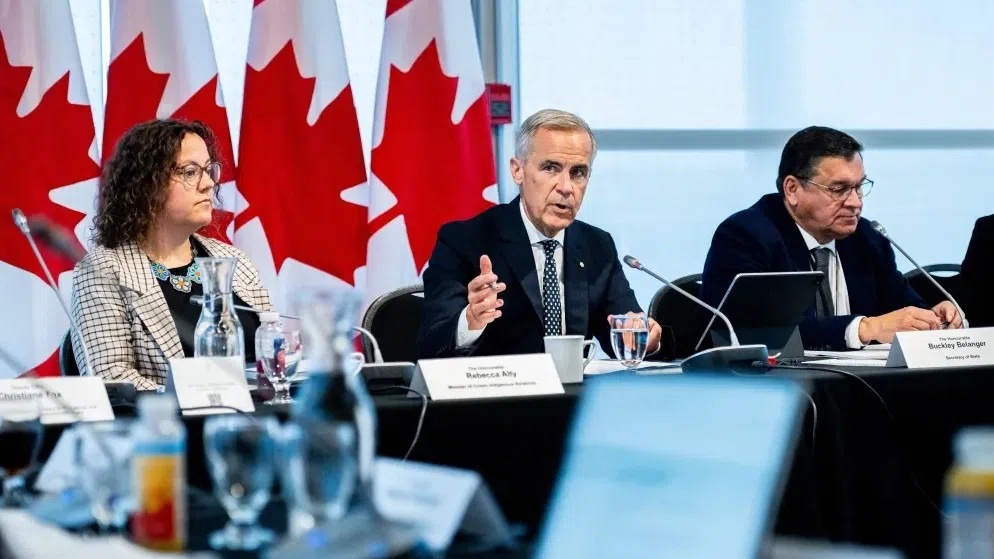
At the Assembly of First Nations gathering last December, Carney pledged to organize a meeting between First Nations leaders, the federal government, and provincial premiers. AFN National Chief Cindy Woodhouse Nepinak and her predecessors have been advocating for such a meeting for quite some time. The last one took place during the Kelowna Accord discussions in 2005. Woodhouse Nepinak stated that this meeting is “long overdue.” She urged for collaborative efforts to tackle persistent socioeconomic disparities between First Nations and other Canadians, reconcile the country’s development goals with respect for First Nations rights, and address separatist movements in Quebec and Alberta. “The first ministers meeting can’t be a one-and-done. We’re going to need an ongoing federal-provincial process to make sure there isn’t 20 years between meetings,” Woodhouse Nepinak emphasized. In recent years, Indigenous leaders have been invited to participate in first ministers meetings but not during the actual discussions. Woodhouse Nepinak has often referred to their role as being placed at the “kiddie table.” She is also monitoring the government’s progress on economic reconciliation, policing within First Nations communities, bridging the infrastructure gap, and implementing the calls to action from both the Truth and Reconciliation Commission and the Inquiry into Missing and Murdered Indigenous Women and Girls. The recommendations from these inquiries have stalled under both Trudeau’s and Carney’s administrations. The federal government also did not deliver on its promise to present clean water legislation for First Nations during last fall’s parliamentary session. While Ottawa has promised action this spring, Woodhouse Nepinak expressed concern that the legislation may be diluted by excluding protections for source water on First Nations lands that were part of the original proposal. Indigenous Services Minister Mandy Gull-Masty hasn’t confirmed whether source water protection will be included in this bill.Métis
Métis groups across Ontario, Alberta, and Saskatchewan currently lack self-government legislation before Parliament. A proposed bill meant to establish their self-governance expired while Trudeau was in office. A few First Nations opposed that bill due to concerns it could infringe upon their rights. Crown-Indigenous Relations Minister Rebecca Alty mentioned that discussions with Métis nations from Saskatchewan and Alberta are nearing completion. A new bill recognizing Manitoba Métis Federation’s self-government was introduced earlier this month. MMF president David Chartrand welcomed this legislative move as positive news. <p“It's been a long journey and I look forward to that being concluded and history being corrected,” Chartrand remarked regarding the new law. This bill is stirring debate among Métis organizations since it would enable Manitoba Métis members residing outside their province to retain ties with MMF instead of joining local organizations where they now live. Métis National Council president Victoria Pruden argued that Manitoba Métis treaty shouldn’t dictate what defines all of Métis Nation. The MMF used to be part of the Métis National Council but now only two groups from Alberta and Ontario are represented there. “As Bill C-21 proceeds through Parliament, the Métis National Council and its governing members will engage constructively in the parliamentary review and committee process,” Pruden said. “Our objective is clear: to ensure that the rights, interests, and jurisdictions of Métis governments and citizens they represent are fully respected while Canada’s commitments are clearly reflected in both legislative records as well as treaty implementation.” Both Manitoba Métis Federation along with Metís National Council seek advancement on major projects agenda set by federal government. They assert it’s crucial for Métís involvement in reshaping national economy efforts. Chartrand also expressed his desire for serious attention toward issues like Indigenous identity fraud along with child welfare services as well health care needs affecting Métís communities.Inuit
Inuit Tapiriit Kanatami president Natan Obed indicated he wants progress made concerning infrastructure within Northern regions. Insufficient housing availability plus inadequate roads , schools , internet access directly impact not only Inuit lives but also Canada’s Arctic security overall. “It isn’t hyperbole to say that 51 Inuit communities which comprise Inuit Nunangat provide bedrock foundation supporting Canadian sovereignty,” Obed noted. “The cheapest way assuring territorial sovereignty involves investing directly into our communities.” Obed further called on federal authorities focusing attention toward implementing United Nations Declaration surrounding Rights pertaining specifically towards Indigenous Peoples while facilitating improved mobility amongst Inuits living across Greenland , Canada & Alaska region. Recently announced initiatives by Ottawa include allocation totaling $50 million aimed at establishing first-ever university dedicated exclusively towards promoting Inuk languages alongside fostering economic cultural opportunities throughout area known as ‘Inuit Nunangat.’This funding package includes support renewing initiative designed primarily assist children receiving healthcare social services otherwise unavailable across various remote areas inhabited primarily by Inuits.
Additional funds allocated target combatting tuberculosis rates prevalent northern territories while providing assistance via Nutrition North food subsidy program aimed at enhancing accessibility nutritional sustenance available residents living those locations.
Source link