





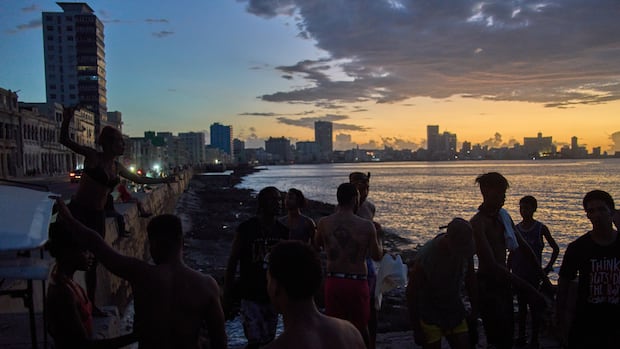
Cuba grinds to a halt
The effects of Cuba’s serious energy crisis are evident throughout its economy. “Fuel is essential for everything-energy for hospitals and homes; education; industry; food production; agriculture; transportation; medical care; livelihoods,” de Cossío explained. He directly attributed these issues to the U. S. fuel blockade. The blackouts are “not because of Cuban inefficiency or mismanagement of the electrical grid but because the United States is denying fuel to Cuba,” he asserted. Many Cuban dissidents would argue that the country’s decline stems significantly from mismanagement and ideology. The truth remains that the fuel blockade has pushed an already fragile economy over the brink while affecting not only Cubans but also hurting Canadian companies-potentially leading to even greater losses ahead. WATCH | UN warns of humanitarian collapse: Cuba facing total humanitarian collapse, UN warns
An international aid convoy aims to deliver food and supplies to Cuba as it suffers under a months-long U. S. energy blockade.
For years now, Canadian governments have taken pride in ignoring U. S. sanctions against Cuba-including those imposed by the Helms-Burton Act of 1996.
In 2017, Honda Canada Finance found itself targeted by the U. S. Office of Foreign Assets Control for leasing cars to the Cuban Embassy in Ottawa.
The company was fortunate enough to have an American parent company-the American Honda Finance Corporation-to cover an $87,255 US fine since Canadian law prohibits such payments due to regulations enforced since 1992 banning compliance with U. S. embargo laws under The Foreign Extraterritorial Measures (United States) Order.
A Global Affairs Canada spokesperson told at that time that U. S. sanctions “interfere with the right of Canadian companies to conduct their business in a manner consistent with international trade practice and Canada’s laws.”
Cuba facing total humanitarian collapse, UN warns
An international aid convoy aims to deliver food and supplies to Cuba as it suffers under a months-long U. S. energy blockade.
For years now, Canadian governments have taken pride in ignoring U. S. sanctions against Cuba-including those imposed by the Helms-Burton Act of 1996.
In 2017, Honda Canada Finance found itself targeted by the U. S. Office of Foreign Assets Control for leasing cars to the Cuban Embassy in Ottawa.
The company was fortunate enough to have an American parent company-the American Honda Finance Corporation-to cover an $87,255 US fine since Canadian law prohibits such payments due to regulations enforced since 1992 banning compliance with U. S. embargo laws under The Foreign Extraterritorial Measures (United States) Order.
A Global Affairs Canada spokesperson told at that time that U. S. sanctions “interfere with the right of Canadian companies to conduct their business in a manner consistent with international trade practice and Canada’s laws.”
A Cuban-Canadian hotel boom and bust
A number of Canadian firms have discovered profitable ventures within Cuba.Over its involvement there, Cerminara noted, “CCC facilitated sales of goods and services from Canadian suppliers for revenue-generating sectors like agriculture and tourism, valued at $1.8 billion since 1991.” Especially over recent years, companies such as Sunwing heavily invested into Cuban tourism, launching new hotels including Mystique Casa Perla in Varadero. Sunwing subsidiary Blue Diamond Resorts-now Royalton- expanded from fewer than 400 hotel rooms on-site back in 2010 to almost 9 thousand before pandemic-related closures struck. Numerous investors partnered up with Gaviota Hotels, which belongs to GAESA-a holding company run by military officials- and increasingly dominating much of what’s left of the island’s economy.WATCH | Air Canada , West Jet halt flights:
 Air Canada , West Jet halt flights to cuba over Fuel Shortage | Hanomansing TonightA nationwide fuel shortage plaguing cuba leads major airlines like Air canada & Westjet effective Tuesday halting flights altogether. Cuba had relied significantly upon Venezuela regarding jet-fuel supply. CORRECTION (Feb.9 ,2026): Visuals appearing within this report have been adjusted.
GAESA sought ambitious plans aimed at transforming tourism into superpower status consisting solely based around constructing up towards103k room capacity envisioned by2030. Furthermore , Sunwing continued investments within cuban boundaries even post pandemic launching two more hotels last year. But unfortunately tourists haven’t come back according To expectations causing real concern Regarding rapid crisis faced by cuban tourism states Maria Werlau -a researcher/human rights advocate originally hailing From cuban descent residing presently Within America holding executive director position At USA based think-tank named “Cuba Archive”. She noted saying : “The operational environment is nearing total collapse -hotels lack basic necessities like food along With electricity etc., services deteriorate constantly making their experience quite poor whilst maintenance becomes problematic too resulting In empty hotels across board!” Furthermore airlines canceled various flights recently due To worries surrounding increasing shortages concerning Fuel supplies impacting travel accessibility completely! Neither Sunwing nor Royalton responded when inquiries were directed toward them By Similarly silence came From cuba tourist Board representatives likewise…
Air Canada , West Jet halt flights to cuba over Fuel Shortage | Hanomansing TonightA nationwide fuel shortage plaguing cuba leads major airlines like Air canada & Westjet effective Tuesday halting flights altogether. Cuba had relied significantly upon Venezuela regarding jet-fuel supply. CORRECTION (Feb.9 ,2026): Visuals appearing within this report have been adjusted.
GAESA sought ambitious plans aimed at transforming tourism into superpower status consisting solely based around constructing up towards103k room capacity envisioned by2030. Furthermore , Sunwing continued investments within cuban boundaries even post pandemic launching two more hotels last year. But unfortunately tourists haven’t come back according To expectations causing real concern Regarding rapid crisis faced by cuban tourism states Maria Werlau -a researcher/human rights advocate originally hailing From cuban descent residing presently Within America holding executive director position At USA based think-tank named “Cuba Archive”. She noted saying : “The operational environment is nearing total collapse -hotels lack basic necessities like food along With electricity etc., services deteriorate constantly making their experience quite poor whilst maintenance becomes problematic too resulting In empty hotels across board!” Furthermore airlines canceled various flights recently due To worries surrounding increasing shortages concerning Fuel supplies impacting travel accessibility completely! Neither Sunwing nor Royalton responded when inquiries were directed toward them By Similarly silence came From cuba tourist Board representatives likewise…
Hundreds Of millions owed To Mining Company
Moa nickel cobalt mining operation stands tall As one Of canada’s biggest endeavors located inside cuba -jointly owned between toronto-based Sherritt International And local authorities having ores extracted via open-pit method processed further On site facility situated Fort Saskatchewan Alberta. When Issues arose around delayed payment obligations Its management negotiated repayment agreements accordingly; Yet quickly slipped behind schedule prompting sherritt reporting outstanding debt figures reaching staggering $344 million US Recently during their quarterly financial review stating-reports indicated earlier signs showing they’ve been “technically bankrupt” dating back several decades Now coupled down having lost access entirely toward hard currency needed operating environments collapsing further still!Cuban President Miguel Díaz-Canel tours Moa Mine alongside executives representing Sherritt Int’l( image credits: Miguel Diaz-Canel/X ) Sherritts encountered numerous operational problems resulting drop seen within metals output recorded just last year; “Any improvements observed will hinge upon stability pertaining Economic conditions overall,” quarterly notes warned adding concerned voice suggesting potential future difficulties managing finance together With foreign currency commitments required moving forward amidst changing landscapes!” Added issues stemming oil embargo hinder access towards main supplier namely venezuela leaving their operations stagnant unable restart without clear timelines emerging forth indicating no progress forthcoming regarding repayment strategies existing debts owed. Once again Sherritt declined responding officially despite multiple attempts seeking comment inquiries launched through Ontarioc hronicle!
Past Owners’ Claims May Sink Companies
Current lackluster performance lacks tourist attraction may not pose greatest risk confronting canadian hospitality sector likewise insufficient electricity availability could pale relative threats looming over mining interests belonging abroad says Werlau; Rather she emphasizes genuine danger arises from legal challenges posed potentially expropriation claims surrounding historical past ownership records filed previously affecting properties retained today especially prevalent among high-profile hotels lining across shores once confiscated decades ago during revolutionary shifts taking place within island territory post-1959Communist regimes seized control outright seizing lands once held freeport sulphur company setting off claim filled worth approx.$166 million USD alongside interest demands submitted back In71 adding potential legal burdens yet unresolved until now! WATCH | What You Should Know About Travelling To cuba:
By all means This US administration looks set exert considerable influence shaping any future transition scenarios opening doors economically onward pushing limitations favorably protecting rightful claimants regarding properties claimed prior long before independence movements occurred ultimately benefiting individuals owing original titles strongly advocating returning these properties rather than risking losses incurred given partnerships formed previously founded partnering relationships established routinely violating federal requirements mandated consistently upheld primarily designed protect integrity existing structures involved transactions occurring historically present-day situations creating undue hardships upon businesses relying heavily…
Workers may file claims too
Unresolved disputes likely won’t arise solely originating from earlier property owners either predicts Werlau indicating additional forms arising constituting possible workers initiating legal actions pressing claims tied around wage confiscation systems utilized effectively ensuring state receives greater share funds allocated through employers hired locally even reaching outwards into different regions extending fully beyond borders offering less protections available state-controlled establishments influencing earnings obtained miners operating facilities emitting excessive toxic emissions namely sulfur dioxide hydrogen sulfide levels being monitored per approval granted surpassing environmental norms repeatedly allowing continued function without oversight enforcement whatsoever against environmental violations seen commonly persistently carried out over extended periods leaving community members vulnerable facing repercussions following actions taken behalf exploited labor force essentially undermining ethical practices across industries functioning therein posing considerable dangers requiring closer inspections needed immediately moving forward if circumstances remain unchanged altogether. Werlau expresses minimal sympathy towards situation unfolding stating plainly;”They understood risks involved knowing full well consequences faced weren’t merely isolated incidents caused strictly helms-burton legislation but instead stemmed partnering knowingly chosen dictatorship maintaining control over society!” She concludes confidently predicting confiscations initiated possess rational basis backing where previous holdings rightfully returned seek justice follows pattern observed alike others suffering unjust losses experienced widely accepting consequences linked realities perpetuating systems operating outside norms recognized worldwide today signaling concerns raised frequently cross-disciplines remain paramount considerations informing dialogues continuing evolve globally expressing urgency tackling inequalities embedded deeply entrenched institutions developing societies reliant dependencies prevalent across modern contexts fostering gaps necessitating attention urgently shifting narratives lifting voices marginalized peoples demanding accountability transparency across boards reflecting ethos inclusively!Source link