



Microplastics, cigarette butts and trash threaten an ecosystem with several at-risk species
BurlingtonGreen and A Greener Future, environmentally-focused not-for-profit organizations, teamed up yesterday (July 9) to clean up Burlington Beach while educating volunteers on the dangers that plastics can cause in Lake Ontario.
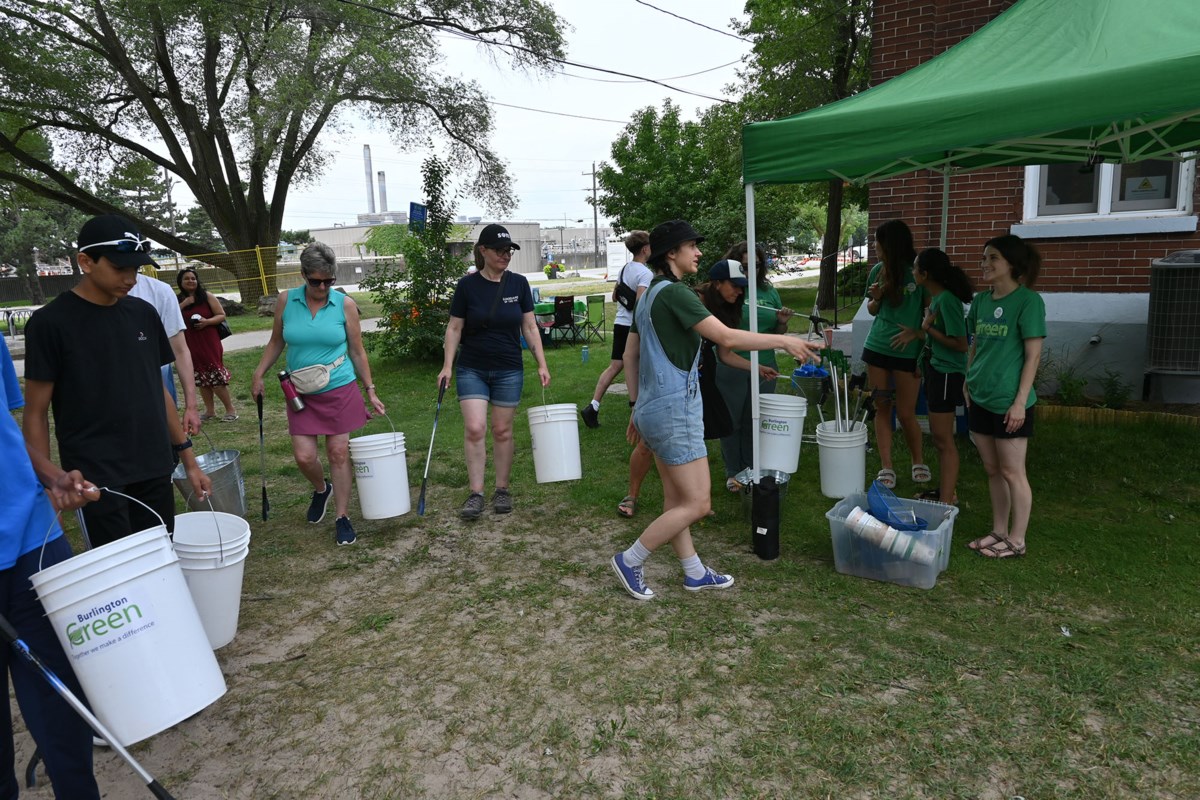
Around 20 people gathered at the beach to clean up cigarette butts, discarded waste and plastics as Asha Bajaj, the Hamilton program assistant for A Greener Future, gave a presentation by the beach on how big the plastic pollution problem is.
“Lake Ontario has the most plastic out of all the Great Lakes, sitting at around 32 metric tons of plastic,” Bajaj said. “The fact there is no garbage patch means that the plastic in the lake has either washed up onto the shore or is stuck at the bottom of the lake, which is the most likely scenario. This makes it more difficult to do research on or clean up, and also means that a variety of aquatic ecosystems throughout the lake are affected, rather than just one condensed area.”
Much of the plastic in Lake Ontario is microplastics, tiny pieces of plastic less than 5 millimetres long that come from nurdles, tiny pellets that most plastic goods are made out of, or from larger plastic waste that breaks down into small pieces over time.
Around 20 people showed up to help clean the beach. Calum O’Malley
These microplastics are often eaten by marine life and are difficult to filter out of water. The average person consumes around five grams of microplastic per week, which is equivalent to eating a credit card every seven days.
“Cumulatively, the great lakes are our largest source of drinking water in the world,” Bajaj said. “A ton of people rely on this water to essentially live. In Ontario, all of our drinking water comes from the Great Lakes. This is also the water farmers use to water crops. It is the water that local breweries use to craft beer. The water that your favorite bakery puts in bread. The Great Lakes are really, really important to us and are pretty much crucial for our survival.”
The cleanup started at 1:30 p.m., with BurlingtonGreen and A Greener Future volunteers handing out bags, buckets, sieves and trash pickers to the gathered residents as they cleaned the beach.
Burlington Beach is home to several at-risk species, such as the Peregrine Falcon, Monarch Butterflies and Barn Swallows.
“It’s really a rare ecosystem that we have here on Burlington Beach,” Shelby Krochuk, environmental programs coordinator at BurlingtonGreen, said. “In partnership with Conservation Halton, Halton Region and the City of Burlington, we’ve been able to plant 23,000 grasses, shrubs and trees along the beach to help restore the area and make sure that there’s not as much erosion going on, whether it’s from people or environmental factors. We also have three species at risk here, so in addition to helping them with their habitat here, the grasses and species that we plant also help maintain the ecosystem that we have for all the species around.”
A Greener Future is holding another cleanup event at Burloak Park on Saturday, Aug. 10, starting at 10 a.m.


