




The region is looking at an increase in property taxes for 2026.
Members of the regional council will start evaluating a suggested property tax rate hike of 4.94 percent in 2026. This would mean an average rise of $96 per household.
Regional staff will share the initial plan for the 2026 budget during budget committee meetings on Nov. 18 and 19. The final budget approval is set for Dec. 16.
This proposed increase does not factor in the additional funding request from Waterloo Regional Police Services, which is asking for $20 million more, bringing their total to $272.6 million.
During a meeting with media on Wednesday, staff mentioned they managed to save around $12.5 million by “working differently/efficiently for the same or similar outcome,” “adjusting service to reflect changing demand,” and “leveraging financial strategies.”
Councillor Michael Harris, who chairs the budget committee, stated that they aim to allocate more funds towards community needs.
“There is a massive need for affordable housing here in our community. We have a plan to continue to build more units, but there are a couple of projects that we’ve had to.. delay for further out,” he said.
“There are roads that we know need to be taken care of that we would have loved to have dealt with this year that we’re going to need to defer.. We’re going to continue to deliver the paramount services that people expect today.”
WATCH | $96 property tax increase proposed for Waterloo region: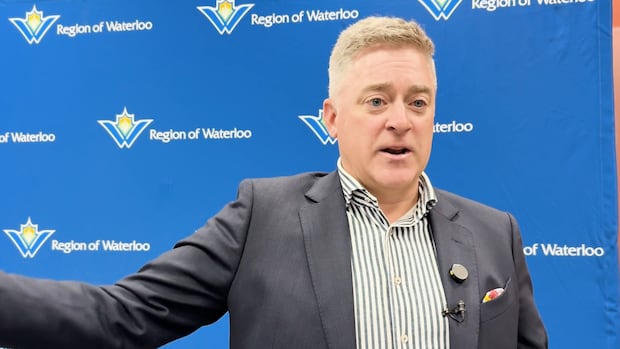 $96 property tax increase proposed for Waterloo region
Members of regional council will begin reviewing a potential property tax rate hike of 4.94 percent in 2026, translating into an average increase of $96 per household. Michael Harris is the chair of the region’s strategic planning and budget committee. CBC K-W’s Aastha Shetty asked him what he’d like residents who are upset about having higher property taxes next year amid rising costs for everyday essentials like food and transportation.
He emphasized they considered the growing financial strain on local families.
“The assistance that we provide families and rent supplements and the new affordable housing programs that we’re launching to add more units in the community are all things that we expect to have,” Harris said.
“And that small little increase that we’ve asked for this year will help offset those costs but maintain services at a fair level.”
Approximately 43 percent of the region’s operating expenses come from local taxpayers, while about 33 percent comes from provincial and federal grants. The rest is covered through fees, reserve contributions, and interest earnings.
$96 property tax increase proposed for Waterloo region
Members of regional council will begin reviewing a potential property tax rate hike of 4.94 percent in 2026, translating into an average increase of $96 per household. Michael Harris is the chair of the region’s strategic planning and budget committee. CBC K-W’s Aastha Shetty asked him what he’d like residents who are upset about having higher property taxes next year amid rising costs for everyday essentials like food and transportation.
He emphasized they considered the growing financial strain on local families.
“The assistance that we provide families and rent supplements and the new affordable housing programs that we’re launching to add more units in the community are all things that we expect to have,” Harris said.
“And that small little increase that we’ve asked for this year will help offset those costs but maintain services at a fair level.”
Approximately 43 percent of the region’s operating expenses come from local taxpayers, while about 33 percent comes from provincial and federal grants. The rest is covered through fees, reserve contributions, and interest earnings.
Source link
 $96 property tax increase proposed for Waterloo region
Members of regional council will begin reviewing a potential property tax rate hike of 4.94 percent in 2026, translating into an average increase of $96 per household. Michael Harris is the chair of the region’s strategic planning and budget committee. CBC K-W’s Aastha Shetty asked him what he’d like residents who are upset about having higher property taxes next year amid rising costs for everyday essentials like food and transportation.
He emphasized they considered the growing financial strain on local families.
“The assistance that we provide families and rent supplements and the new affordable housing programs that we’re launching to add more units in the community are all things that we expect to have,” Harris said.
“And that small little increase that we’ve asked for this year will help offset those costs but maintain services at a fair level.”
Approximately 43 percent of the region’s operating expenses come from local taxpayers, while about 33 percent comes from provincial and federal grants. The rest is covered through fees, reserve contributions, and interest earnings.
$96 property tax increase proposed for Waterloo region
Members of regional council will begin reviewing a potential property tax rate hike of 4.94 percent in 2026, translating into an average increase of $96 per household. Michael Harris is the chair of the region’s strategic planning and budget committee. CBC K-W’s Aastha Shetty asked him what he’d like residents who are upset about having higher property taxes next year amid rising costs for everyday essentials like food and transportation.
He emphasized they considered the growing financial strain on local families.
“The assistance that we provide families and rent supplements and the new affordable housing programs that we’re launching to add more units in the community are all things that we expect to have,” Harris said.
“And that small little increase that we’ve asked for this year will help offset those costs but maintain services at a fair level.”
Approximately 43 percent of the region’s operating expenses come from local taxpayers, while about 33 percent comes from provincial and federal grants. The rest is covered through fees, reserve contributions, and interest earnings.
Proposed service adjustments
Here are some proposed service changes leading to approximately $12.5 million in savings: Due to low uptake (12 percent), households will now have a three-bag limit instead of six after certain holidays (double days) and bulky items will be collected monthly rather than bi-weekly. Increase commercial landfill tipping fees so they better align with rising costs compared with other areas. Great River Transit (GRT) plans adjustments based on ridership needs by speeding up certain routes while changing others where there are viable transit alternatives with lower demand. Price adjustments will be made across GRT programs including U-Pass, Mobility PLUS taxi coupon book, and two-ride fare card. Reducing funding for housing transition due to low uptake while adjusting levels as people move into other supportive housing. Due again to lower customer traffic alongside increased e-service use, GRT customer service centers may close on Sundays and holidays. Working with local municipalities might lead them taking over full sani-can collection throughout downtown areas ensuring consistent service.Budget increase limited by 5% cap
When regional councillors started discussing next year’s budget back in May, they agreed on implementing a cap limiting any property tax increases at five percent. Harris stated he pushed for this cap because many residents face significant financial pressures stemming from rising costs related primarily to housing, food, and other necessities. Councillor Colleen James previously expressed her support since it provides staff “a starting point” when preparing budget documents. “I’m also extremely conscious of the economy and where we’re at right now given significant layoffs happening along with possible job losses,” James said.Source link


