




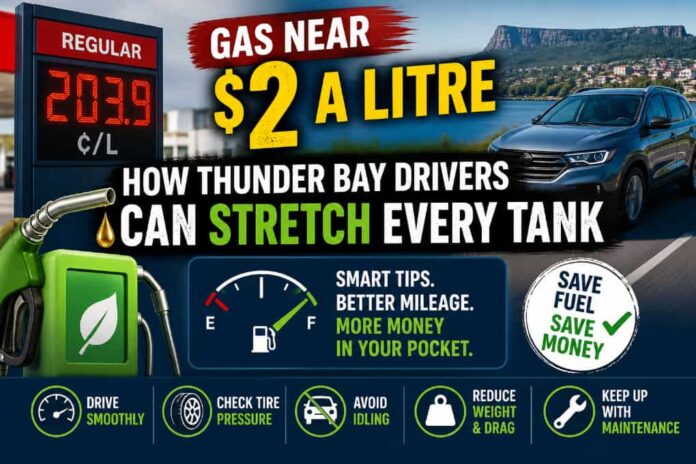
Fuel Savings Begin with Your Driving Style
The biggest savings often come before the vehicle ever reaches the mechanic. Natural Resources Canada mentions that fuel-efficient driving can reduce fuel consumption and emissions. CAA suggests gentle acceleration, coasting when it’s safe, avoiding unnecessary idling, and removing extra weight from the vehicle.Ease Up on the Accelerator
Hard starts consume more fuel. CAA advises drivers to steer clear of “jackrabbit” starts and take around five seconds to speed up to 20 km/h from a stop. In Thunder Bay traffic, this means smoother starts at stop lights!Keep an Eye on Your Speed on Highways
Speed is important, especially in Northwestern Ontario where many trips involve highway driving. CAA North & East Ontario states that most vehicles are most efficient between 50 km/h and 80 km/h whenever possible. Driving at 120 km/h can use about 20 percent more fuel compared to traveling at 100 km/h. For those heading to Nipigon, Dryden, Kenora, Marathon or Fort Frances, sticking close to the posted limit can save money and improve safety-especially in spring when wildlife encounters, potholes, and changing weather remain concerns.Avoid Idling Whenever Possible
Idling is costly when fuel prices hover around $2 per litre. CAA notes that a vehicle can waste about one litre of gasoline for every 20 minutes of idling. They recommend turning off the engine if you’re stopped for 60 seconds or longer-when it’s safe and practical. This applies in school pickup zones, drive-thru lines, parking lots and while warming up your car longer than necessary. In winter months some warm-up time might be needed; however long idling still consumes fuel without moving anywhere.Check Tire Pressure Monthly
Tires that aren’t inflated properly are among the easiest issues to fix for better fuel efficiency. Transport Canada indicates that a tire underinflated by 56 k Pa (or eight psi) can increase fuel consumption by four percent while cutting tire life by 15,000 kilometres. It’s also recommended that tire pressure be checked at least once a month when tires are cold. Drivers should use the pressure listed on the sticker inside their driver’s door or in their owner’s manual-not just rely on numbers printed on tire sidewalls.Shed Extra Weight and Reduce Drag
Carts filled with extra weight force the engine to work harder. Remove tools, sports gear bags, roof boxes or bike racks when they aren’t needed. CAA points out that roof racks or bike carriers lower aerodynamics as well; several short trips with a cold engine may burn more fuel than one planned longer trip. This means families in Thunder Bay could benefit from combining errands-grocery shopping, pharmacy visits, school pickups or appointments could often be grouped into one single route instead of multiple separate drives.Use Air Conditioning Wisely
The air conditioning system puts additional strain on your engine. CAA North & East Ontario states it may increase fuel consumption by roughly one-fifth of your regular usage. At slower speeds within cities opening windows could help; however at highway speeds open windows create drag so using ventilation or moderate air conditioning might be more efficient instead.Stay Current With Maintenance
Regular maintenance keeps your vehicle running smoothly as intended-including oil changes and clean filters along with proper wheel alignment plus brake servicing and addressing warning lights promptly! Problems like dragging brakes poor alignment low tire pressure or neglected engine issues quietly reduce mileage over time too! You should also stick with recommended grades of gasoline specified within each owner’s manual since paying extra for premium usually won’t enhance gas mileage unless required!Monitor Your Actual Fuel Economy
The most effective way you’ll know if your car is delivering decent mileage is tracking it.Fill up completely reset odometer drive normally then write down how many litres were used refilling after completing distance traveled! Use this calculation: Litres used ÷ kilometres driven × 100 = L/100 km If your ride uses 45 litres covering distance equal length of say..500 kilometers then achieving nine L/100km would apply here! But if suddenly jumps over eleven twelve under similar conditions checking everything else becomes essential including those tire pressures habits etc!
 Oil Prices are at a two year high
This Matters More in Northwestern Ontario
The impact from gas prices hits Northwestern Ontario differently compared larger urban centers since many residents endure longer commutes fewer transit choices plus frequent highways travels due work obligations medical visits family duties supply runs regularly too! Rising costs affect contractors delivery drivers taxi operators small business owners tourism operators anyone traveling between regional communities alike..The Bottom Line
You can’t control global oil markets nor daily pump pricing but what you do control includes speed tire inflation levels idle times maintenance scheduled routinely along planning routes effectively managing expenses incurred overhead costs incurred substantially arise quickly especially now given current conditions surrounding $two/dollar liter considerations overall saving merely five liters weekly equates ten dollars monthly total accumulates forty additional bucks annually adds significant real cash flow relief potentially helps alleviate burden placed back pocket directly linked towards sustaining future expenditures adequately covers various essentials necessities budgeting wisely ensures continued stability well into foreseeable horizon ahead..
(For folks living Thunder Bay area specifically most effective strategy boils down simple steps: practice smooth driving slow down inflate tires check regularly don’t idle cut unnecessary loads track usage trends right away catch minor issues before becoming large financial headaches!)
Source link