



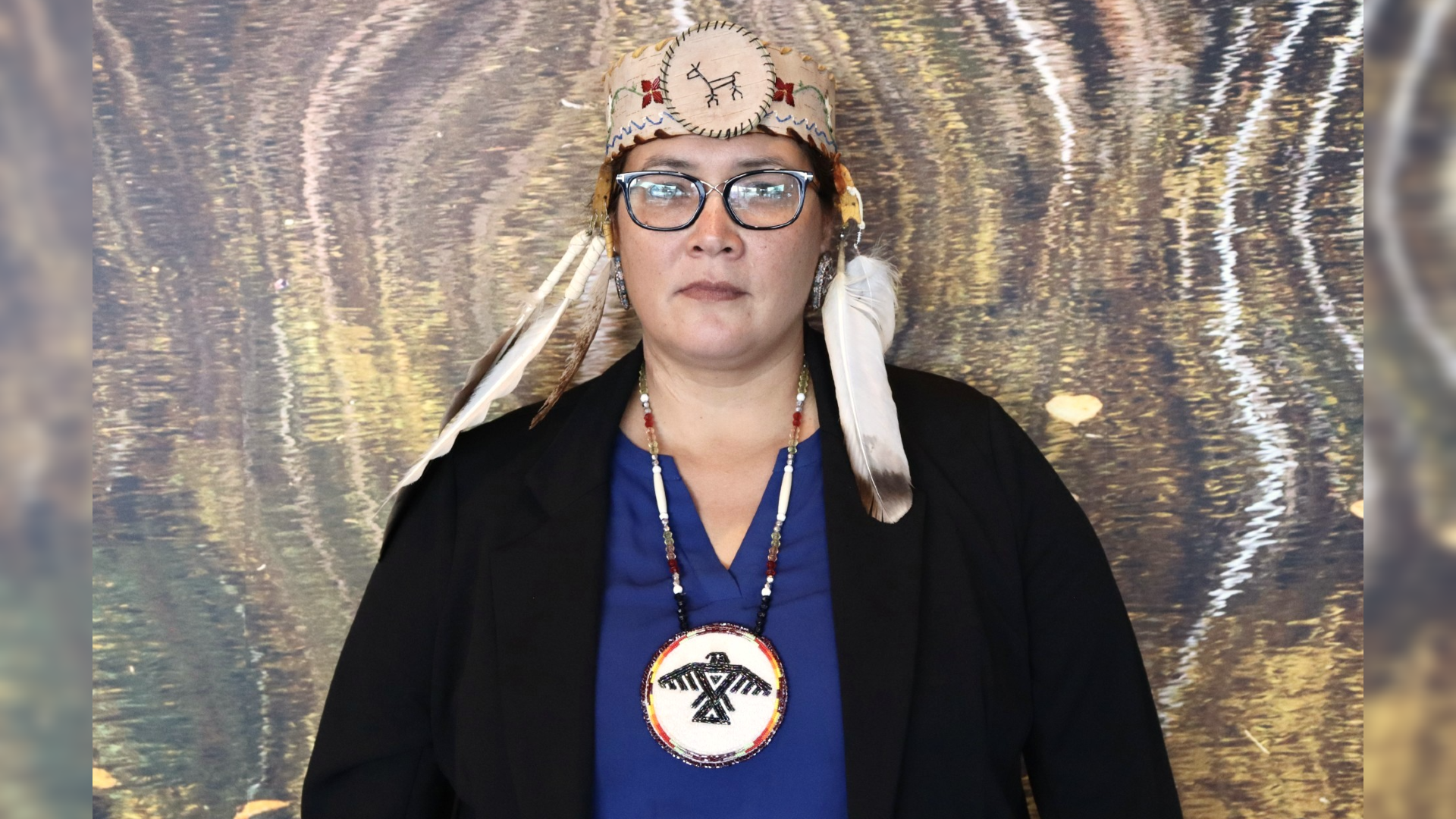
The Anishnabek Nation Grand Council is urging the province to immediately stop the changes being made to the Permit to Take Water program.
These new changes allow companies to renew their water-taking permits without needing to submit fresh applications or undergo environmental reviews. This applies to water taken from lakes, rivers, and groundwater used for industrial and commercial purposes.
The council insists that Ontario must bring back mandatory consultations for all permit transfers. They caution that the province’s actions are jeopardizing First Nations’ rights and environmental protections.
“These unilateral decisions directly affect our lands, waters, and future generations,” said Grand Council Chief Debassige. “Water is sacred. It is not a commodity to be transferred between corporations without scrutiny, consent, or accountability.”
In July 2025, Ontario’s Minister of the Environment, Conservation and Parks Todd Mc Carthy wrote to First Nation leaders emphasizing that water is an essential human right and promising cooperation with Indigenous leaders for sustainable water solutions.
“While that commitment was welcomed, recent regulatory actions contradict those assurances,” Debassige said. “Claiming that ‘safe drinking water is a fundamental human right for all’ and that Ontario ‘will continue to work with First Nations and the federal government on long-term, sustainable solutions to achieve this important goal’, while simultaneously unilaterally weakening the very rules that protect water at its source, does not help achieve this goal.”
The Ministry of the Environment, Conservation and Parks released a statement in September 2025 clarifying that some may have misunderstood what the regulatory amendment entails. The Ministry stated that this regulation simply allows a streamlined process for specific water-taking permits already in place, requiring that any proposed taking must be from the same location and for an equal or lesser amount than previously approved under existing permits.
The ministry added they will keep reviewing permit applications to ensure they meet ministry requirements, including public and Indigenous consultation requirements where applicable, along with considering any related compliance issues.
Source link
Source link


