



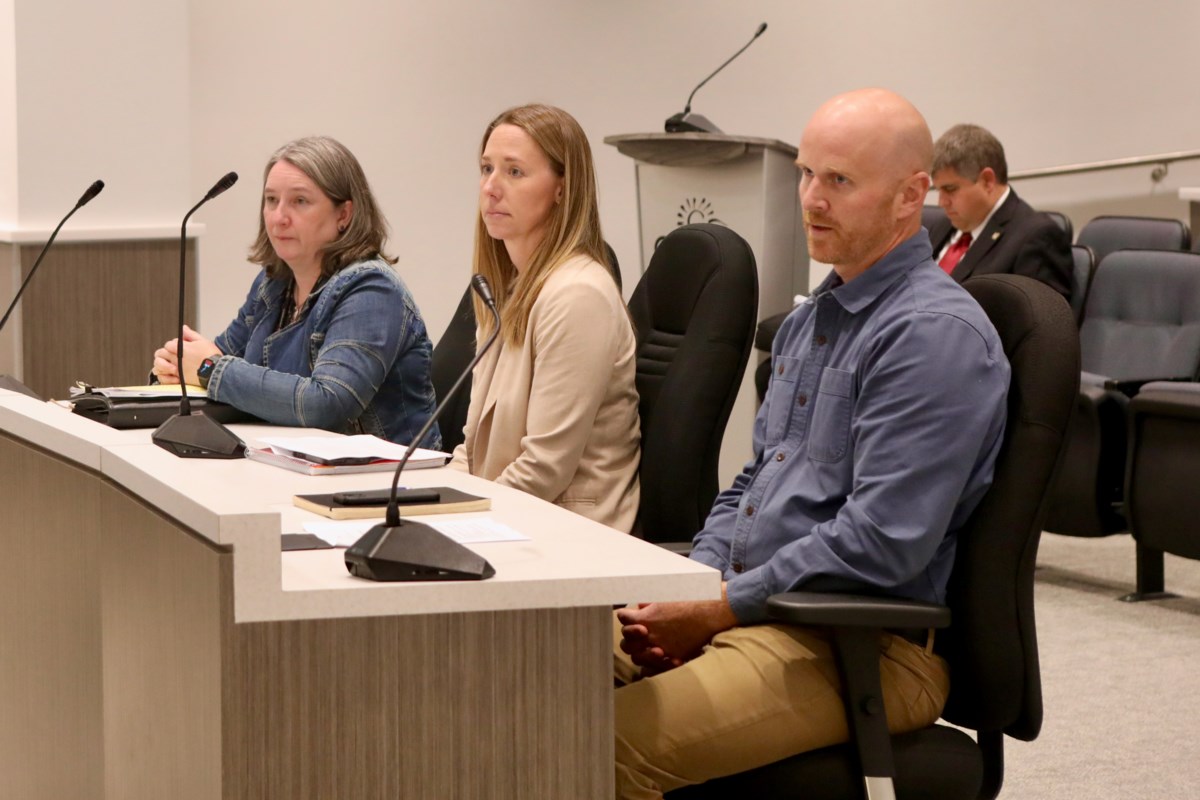
‘Household food insecurity is not an access to food issue it is an income issue,’ says official, noting more middle-income households are feeling the pinch
Orillia and Simcoe County are dealing with a serious public health concern.
Following an emergency declaration by the City of Orillia, the local public health unit has joined a public awareness and advocacy campaign highlighting the growing problem of food insecurity and the struggles related to affording groceries.
The Simcoe-Muskoka District Health Unit reports that one-in-three households in Simcoe County faces difficulties affording food at some point during the year. For many, buying healthy food is simply out of reach.
“It’s always been difficult for many residents to afford nutritious food, and it’s not just about food prices,” said Simcoe-Muskoka District Health Unit Nutritionist Vanessa Hurley in a January 2025 interview. “They just don’t have enough money at the end of the day.. they don’t have enough to cover their basic needs.”
This situation hasn’t improved over the past 11 months – at least not positively.
“While food insecurity mostly affects those with lower incomes, we’re seeing a rise among individuals who have unstable or insecure jobs, renters, single parents with children, those on social assistance, and middle-income families experiencing increased financial strain doubled in 2024 compared to 2022 and 2023,” said Hurley in a news release from the health unit issued Monday.
“And having a job does not guarantee food security. In our province, more than half of households earning income from employment face food insecurity.”
The local health unit tracks food costs annually through its Nutritious Food Basket survey and noted last year that insufficient income remains a major barrier for purchasing essentials like housing, heating, and food.
Since 1998, Ontario’s public health units have been required to monitor how affordable food is by comparing the cost of a “nutritious food basket” against household incomes within their jurisdictions.
The figurative nutritious food basket consists of 61 items chosen based on Canada’s Food Guide including vegetables and fruit, breads, cereals and other grain products, milk and dairy products, meats fish and poultry as well as canned beans and other protein alternatives.
According to findings from 2025, in Simcoe Muskoka a family of four with two adults and two children aged 8 and 14 would need around $1,282.89 each month for these basic necessities while a single-person household would need approximately $445.92.
When viewed through the lens of incomes, estimates suggest that an average family of four in Ontario spends about 30 percent of their total income on both rent and groceries. This jumps significantly to 97 percent if this family relies on Ontario Works for its income.
These figures are based on conservative rent rates that might not fully reflect current rental market conditions.
A single person relying on Ontario Works will spend about 168 percent of their income on essential expenses like housing and groceries; meanwhile seniors living alone on old age security can expect around 80 percent of their income going toward these costs.
This doesn’t even take into account utilities, transportation costs, clothing expenses or child care needs-further complicating financial situations for many families.
“When you factor in rent along with total household income versus rising grocery prices it becomes clear that numerous people in Simcoe Muskoka can’t meet their fundamental needs while also managing any additional daily expenses,” states the news release from the health unit.
The City of Orillia declared a household food insecurity emergency during a September 8 council meeting urging provincial and federal governments to provide assistance.
The County of Simcoe supported Orillia’s emergency declaration promising several steps forward including:
Integration of addressing food insecurity into county-wide planning so it remains relevant at council meetings
Funding aimed at prioritizing basic needs like revising social programs to ensure they adequately support access to necessary foods
Encouraging collaboration between municipalities led by county officials to share solutions across boundaries
Advocating for changes at provincial and federal levels regarding guaranteed livable basic income alongside higher social assistance rates as well as affordable housing options plus mental health resources
Data gathering efforts combined with inclusive engagement practices ensuring help reaches those most affected
“Household food insecurity is an urgent public health issue,” states the health unit’s news release. “For people experiencing food insecurity it can mean buying less or lower quality foods worrying about running out skipping meals or sometimes going without eating for days.”
The repercussions state officials pose significant mental as well as physical health challenges increasing risks associated with chronic conditions such as hypertension diabetes along with depression issues stemming from inadequate nutrition intake.
Not only do individuals endure hardships but healthcare expenditures also increase.
Based upon recent statistics provided via Public Health Ontario (PHO) data indicates worsening trends regarding household level hunger whereby approximately sixty thousand homes suffer varying degrees between twenty six percent across regions ranging throughout Simcoe Muskoka observed spanning over years twenty three until twenty four.
It’s evident beyond just this region , alarming rates surrounding lack adequate nutritional options persist reaching new highs both provincially nationally over recent years continuing climb upwards over last four years.
A local survey conducted by SMDHU revealed one third households unable afford desired amounts qualities needed sustain them past thirty days gone by.
“Household food insecurity isn’t merely access related-it fundamentally revolves around issues surrounding economic viability,” explains Hurley within released statements made available through heath department announcements.”
Essential charity initiatives offered within communities fail truly address root causes underlying ongoing crisis necessitating proactive measures taken across all governmental tiers implement long-term viable strategies enhancing disposable funds available citizens enabling them manage dietary necessities plus remaining life obligations effectively.”
Source link
Source link


