[ad_1]


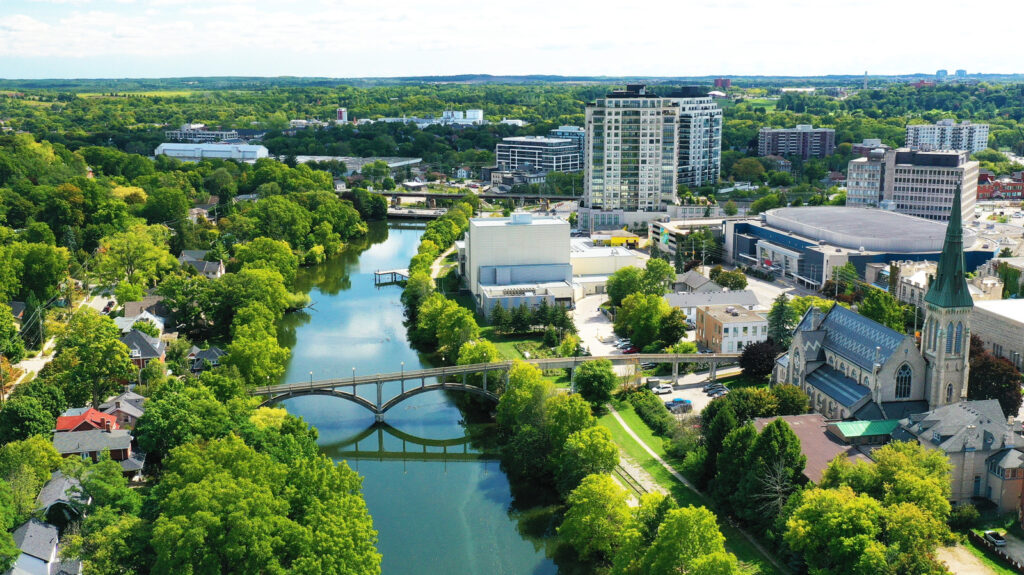
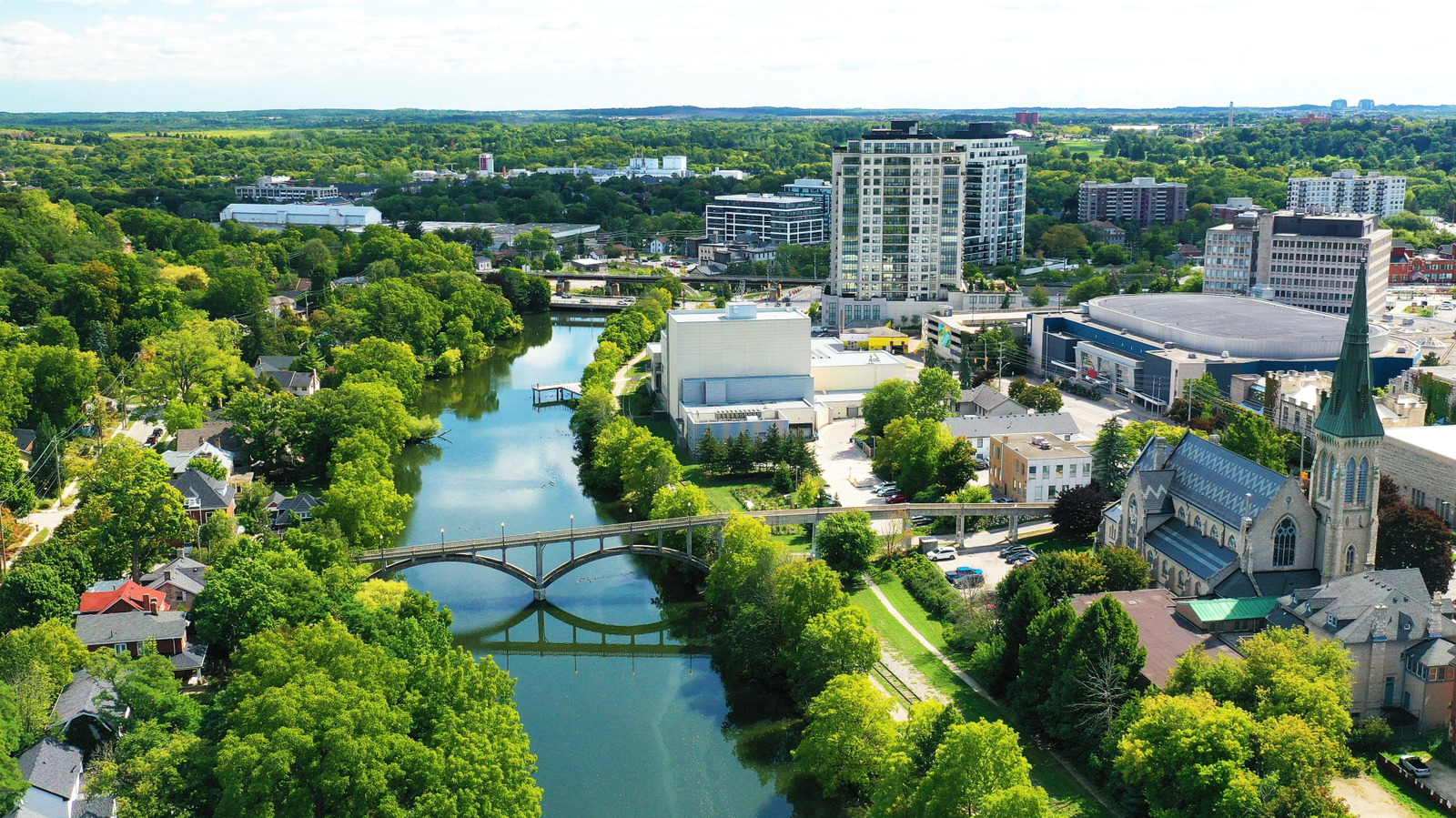
 &#13>Harold Stiver/ShutterstockNestled between two rivers, Guelph, Ontario boasts a beautiful riverfront that matches its lively atmosphere. The University of Guelph, featuring a collection of historic buildings, takes up a significant part of the city's eastern side, giving it a distinct college vibe (not to mention the popular arboretum right next to campus). However, it’s the merging rivers that truly enhance the city’s activities and scenery. There are trails by the water, restaurants perched on the banks, and elegant bridges offering plenty of chances for stunning views. Guelph has so much to offer that you could easily spend several days exploring. It's less than a 1.5-hour drive from Toronto, making it an easy stopover. While Toronto has its own hidden nature spots, Guelph provides even more opportunities to enjoy the outdoors. The Guelph Lake Conservation Area on the northern edge features beaches along a reservoir that's popular with kayakers and sailors alike. Additionally, downtown's riverside paths stretch far beyond the city center and connect all the way to Lake Huron via the G2G Rail Trail. This combination of accessible nature and small-town culture makes Guelph an excellent choice for your next Canadian adventure.
Scenic River Views and Walks in Guelph


 Doradalton/Getty ImagesOne great way to soak in Guelph's beauty is by walking along its downtown paths. The aptly named Downtown Trail is a 3.8-mile round trip that runs alongside the Speed River along an old railway line. The trail kicks off near where the Speed River meets the Eramosa River; there's even a covered bridge at this spot that's perfect for photos before you head out. As you walk north on the Downtown Trail, you'll pass some intriguing historical landmarks including Allan's Mill where remnants from Guelph's industrial history can be seen. Just a little further lies Locomotive 6167-a preserved train engine from 1940 that now sits in a park by the river.The northern end of the Downtown Trail leads right into Riverside Park which was recommended by someone on Reddit who said, "It has playground equipment for kids, a concession stand, gardens, and there's often big events going on there." The park features picnic tables, disc golf facilities, softball fields and even an artistic clock sculpture made from plants and flowers. Plus there's restrooms available if you need one. If you're looking for somewhere nice to eat with views of both river and cityscape, check out The Boathouse nearby. It’s just steps away from that covered bridge mentioned earlier and has garnered 4.5 stars on Google Reviews. Their specialties include tea and ice cream served during high tea daily-complete with tiers of sweets like scones and mini sandwiches! Reviewers especially rave about The Boathouse's riverside patio where you can sip your Earl Grey while enjoying views of both waterway and bridge.
Cultural Highlights Near Guelph's University
 
 &#13>
 Wirestock Creators/ShutterstockWhile exploring campus might not be interesting unless you're thinking about studying there yourself; however there's something at university open to everyone: The Arboretum! Managed by Uof G itself-it’s free for visitors from dawn until dusk boasting over 1 ,700 different types woody plants plus almost eight miles worth trails winding through lovely gardens meadows forests. "It's well-maintained , has informative signs about different species , and is great for photography or birdwatching," shared one reviewer online!Another attraction located within university grounds also welcomes guests without charge-the Art Gallery Of guel ph! Inside showcases rotating exhibits alongside gift shop selling local pottery jewelry paintings. There’s outdoor sculpture garden containing more than forty works scattered throughout two-and-half acres-which many reviewers found particularly enjoyable.If you're arriving via flight; Toronto Pearson International Airport is nearest major airport (though some say it's North America's most stressful airport-but there are ways around this). From there it’s roughly hour-long drive straight into town- travelers keen on making extra trips outside Toronto may find picturesque German-inspired Kitchener another thirty-to-forty-minute drive past Gue l ph!
[ad_2]Source link